
From Prototype to Mass Production: How Should You Negotiate Minimum Order Quantities?
The minimum order quantity (MOQ) is not a fixed number but the result of negotiations based on part geometry complexity, material, mass-production process, and inspection level. Buyers should clarify trial batch sizes, production ramp-up schedules, and split-delivery terms during the RFQ stage to avoid delays in mass production due to misunderstandings about MOQ. For CNC metal machining, the MOQ logic for Swiss-type lathes, mill-turn centers, and 5-axis milling is completely different and must be discussed separately.
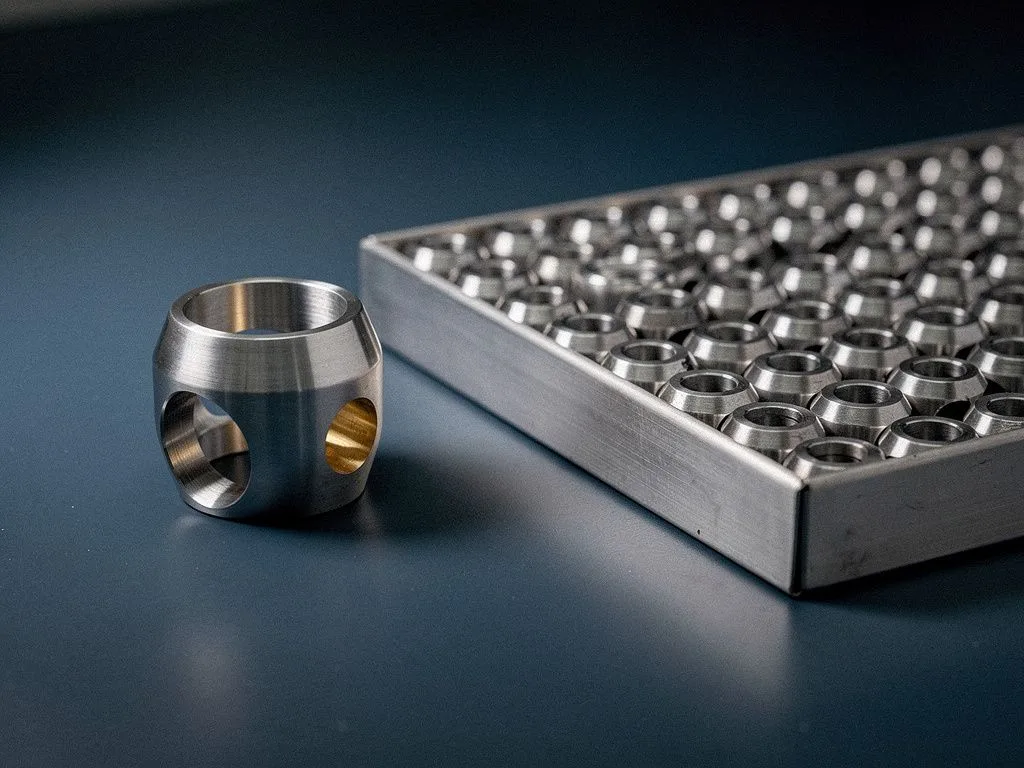
What needs to be re-validated when moving from prototyping to mass production?
Moving from prototyping to mass production is not simply a matter of scaling up quantities; the process itself must be re-validated. Buyers should require suppliers to submit a process capability (Cpk) report before mass production, with Cpk values for critical dimensions typically needing to reach 1.33 or higher to be considered process-stable. Tool life, fixture wear compensation, and measurement system repeatability (GR&R) are all items that must be re-confirmed before mass production. Yuan Shun Li performs first article inspection and in-process patrol inspections according to customer specifications before mass production, with actual inspection items and sampling rates confirmed per the specification sheet. If buyers skip this step and go straight to full production, they often encounter dimensional drift or yield drops in the second or third batch of mass production, which actually increases overall costs.
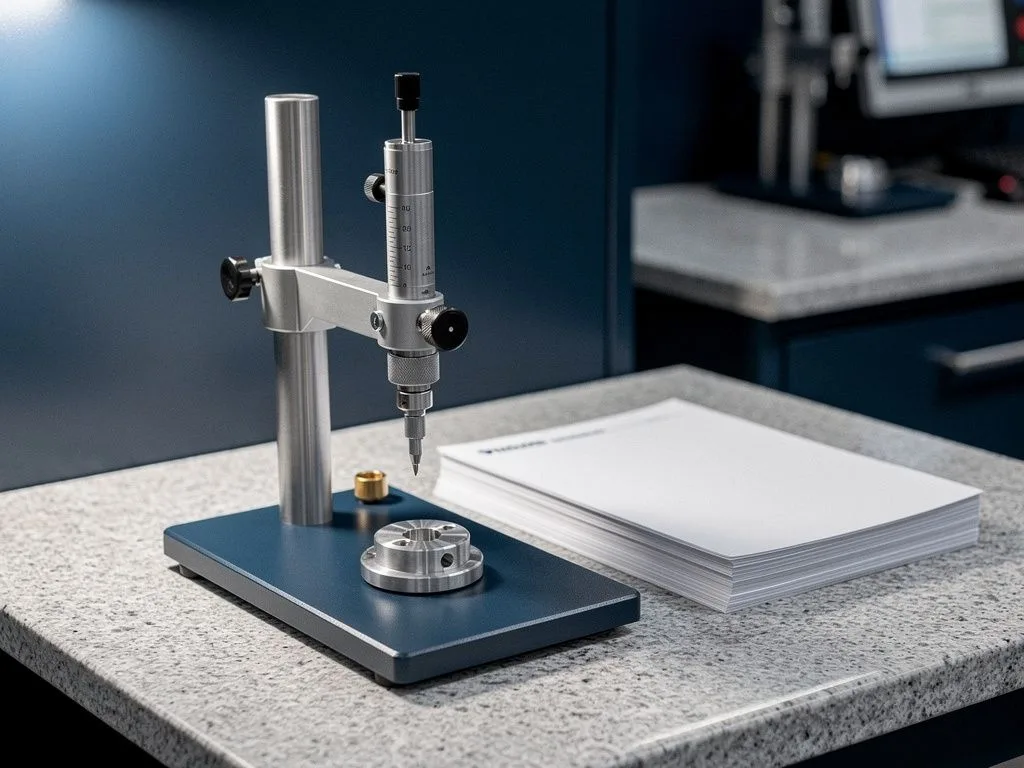
At which stage is a design change the least costly?
The cost of a design change is highly correlated with the stage at which it is made—the earlier the change, the more money is saved. Design changes at the EVT stage typically only affect drawings and re-prototyping, making them the least costly. At the DVT stage, if fixture modifications are involved, new fixtures must be made and positioning accuracy re-verified. Design changes during PVT or after mass production are the most expensive, as tool paths, inspection benchmarks, and measurement fixtures may all need to be redone. Buyers should clearly document the design freeze schedule before prototyping and agree on the responsibility for change notifications. Yuan Shun Li can assist customers in reviewing design for manufacturability (DFM) during the prototyping stage, with actual recommendations depending on the part specifications, with the goal of minimizing change costs before mass production.