
What capabilities must a machining shop build to move from mechanical parts into the semiconductor supply chain?
To enter the semiconductor equipment supply chain, a mechanical parts machining shop must build four core capabilities: ultra-high-cleanliness processes and cleaning environments, traceable material sources and process records, inspection procedures that meet SEMI standards and customer-specific specifications, and the ability to perform design-for-manufacturability (DFM) analysis in sync with equipment maker engineers. All four are indispensable; otherwise, the shop risks rejection during PPAP or initial mass production due to cleanliness, dimensional tolerance, or documentation deficiencies. For CNC shops currently serving the automotive, machinery, or aerospace industries, this represents a comprehensive upgrade from process habits to the quality assurance system, not merely the addition of equipment.
How should machining shops interpret and implement SEMI standards and customer-specific specifications?
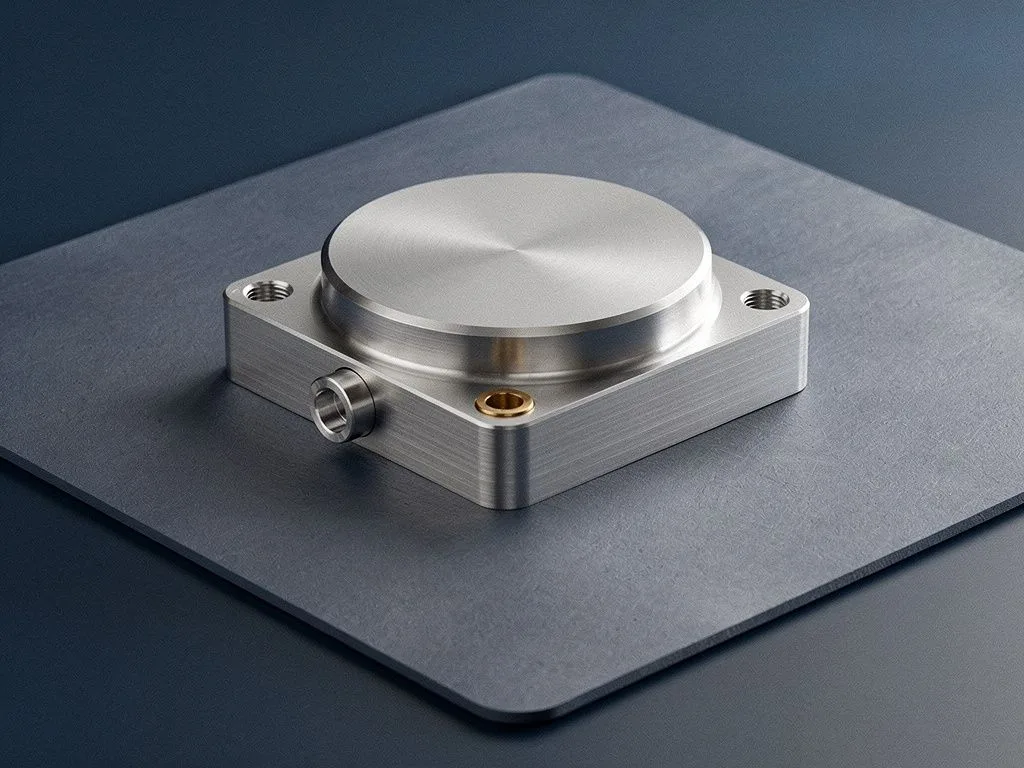
SEMI (Semiconductor Equipment and Materials International) standards are the common language of the semiconductor equipment supply chain, but in practice each equipment maker layers its own stricter specifications on top of SEMI. Common additions include: tighter dimensional tolerance bands (e.g., ±0.05mm for general mechanical parts, but possibly ±0.01mm for semiconductor equipment parts), stricter surface roughness Ra values, chamfer and deburring requirements for specific areas, and visual inspection standards for non-measured areas. When receiving an RFQ, the machining shop must carefully compare the SEMI numbers marked on the customer drawing with its internal process capabilities. If existing machines cannot achieve them, this should be raised at the quotation stage rather than discovering insufficient yield after mass production begins. Additionally, many equipment makers require First Article Inspection using CMM measurement with a report, which is also a threshold for CNC shops' inspection equipment investment.
How Long Does It Typically Take a Machining Shop to Transition from General Mechanical Parts to the Semiconductor Industry?
There is no shortcut for a machining shop moving from general mechanical parts to semiconductor equipment parts; the transition typically takes 12 to 24 months, depending on the shop's existing foundation. The first phase (about 3 to 6 months) involves investing in a cleaning area, cleanroom packaging area, and inspection equipment. The second phase (about 6 to 12 months) involves implementing a complete material traceability and process documentation system and passing customer audits. The third phase (about 6 to 12 months) involves moving from small-batch trial production to mass production while accumulating PPAP and production experience. During this period, the shop must invest in CMMs, surface roughness testers, cleaning equipment, and cleanroom packaging facilities, and train quality assurance and process engineering staff. For CNC shops that previously served the automotive, general machinery, or aerospace industries, this is a comprehensive upgrade from process habits to management systems, requiring a clear commitment from management to complete.