
How to Evaluate a Precision CNC Machining Factory in Taiwan
To evaluate a precision CNC machining factory in Taiwan, the core is to look at six things: equipment brand and number of axes, machinable materials, quality system and inspection process, the level of detail in the quotation breakdown, the ability to provide an FAI first article inspection report, and the evidence obtainable from a remote factory audit. Taking Yuan Shun Li as an example, it is located in the precision machinery cluster in Tanzi, Taichung, and is equipped with BROTHER, Star Swiss-type lathes, and TAKISAWA machines. It can handle aluminum alloy, stainless steel, carbon steel, brass, and copper, and accepts projects from prototyping to mass production. Buyers should use "can they answer my next questions" rather than "how nice the company profile looks" as the screening criterion.
Beyond ISO 9001: What other capability indicators should you look for?
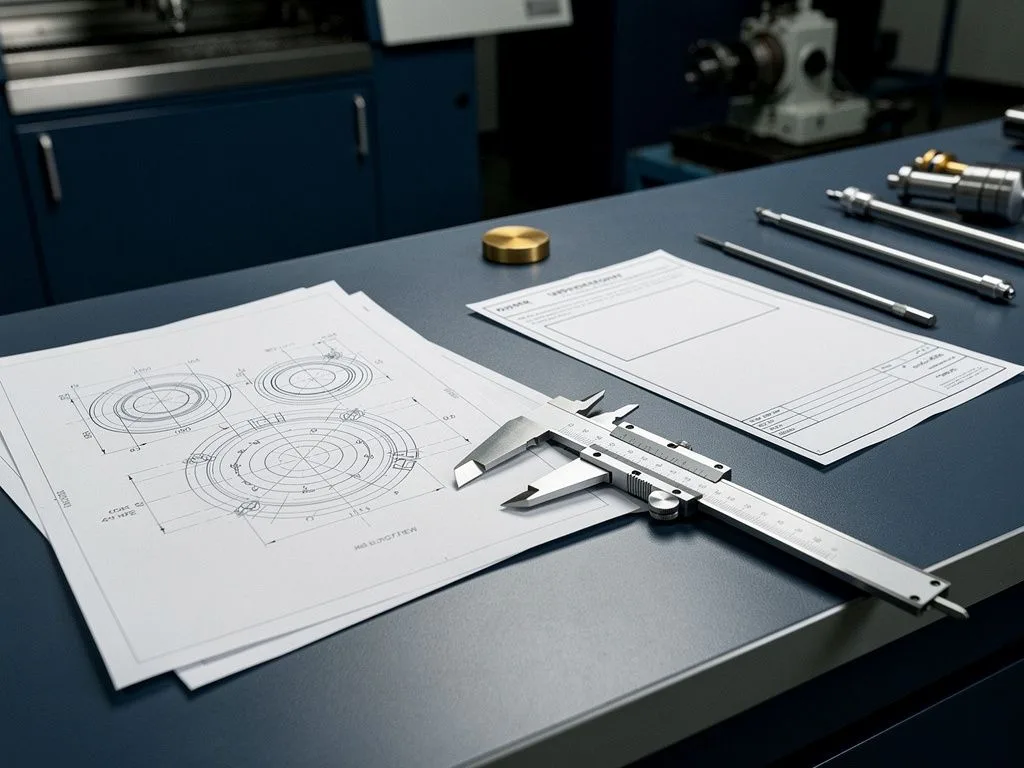
An ISO 9001:2015 certificate shows that a supplier has documented quality management processes, but the certificate itself does not guarantee that your parts will be made correctly. Buyers should ask further questions: what measuring instruments are available (at minimum a CMM, profilometer, and surface roughness tester), the frequency of in-process inspections and how they are recorded, whether final inspection before shipment is sampling or 100% inspection, and the decision authority for handling non-conforming parts (rework, scrap, or use-as-is). For buyers in Tier-1 automotive, semiconductor equipment, or medical device industries, they should also confirm whether the supplier is familiar with PPAP, FAI, or other customer-specific quality documentation requirements. You can request copies of the certificate number and validity period for verification, but the real capability lies in the details of the inspection process.
What evidence can you request during a remote factory audit?
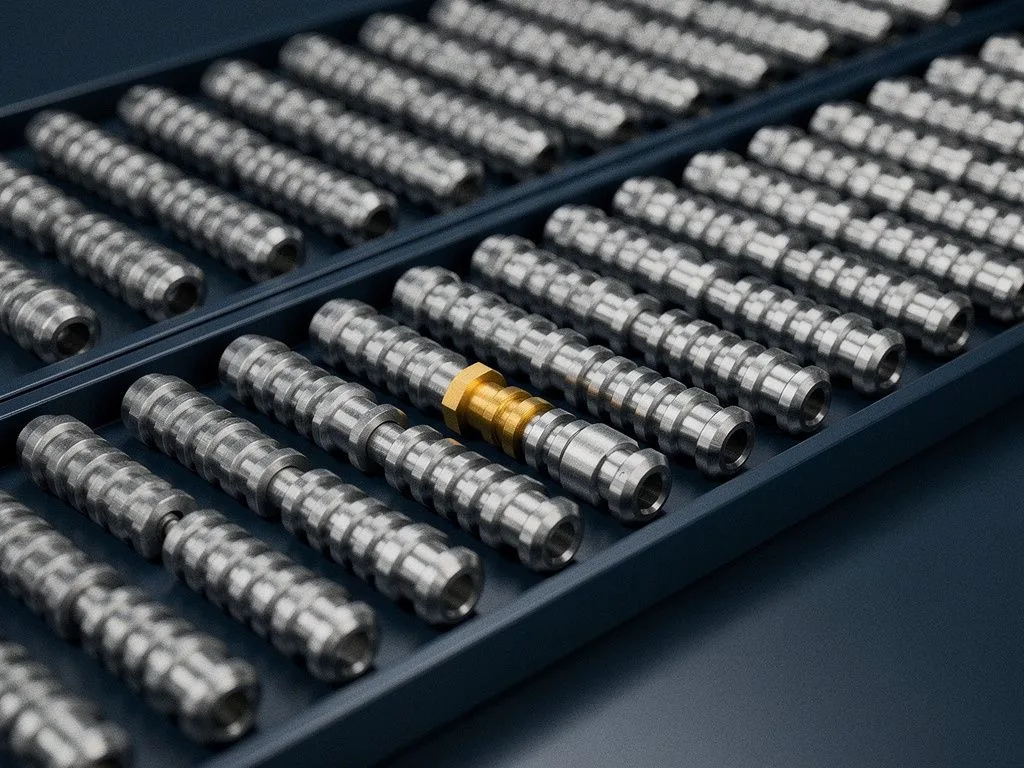
When overseas buyers cannot visit in person, a remote factory audit is a necessary step. Evidence that can be requested from the supplier includes: a machine list and factory layout drawing (indicating the brand, model, and quantity of each CNC machine), shipping inspection records from the last three to five batches (redacted FAI or measurement reports), a copy of the ISO 9001:2015 certificate and its validity period, calibration records for measuring instruments, and real-time video of machining or measurement operations. For new suppliers, it is recommended to start with trial parts and request a complete FAI report before deciding whether to proceed to mass production. Yuan Shun Li is located in Tanzi, Taichung, near the precision machinery cluster and science park. Overseas buyers can directly see machine operation and inspection processes via video conference, which is more valuable than a polished company brochure.