ysl-cnc export-logistics

Lead Times and Export Practices for Sourcing CNC Parts from Taiwan

When sourcing CNC-machined parts from Taiwan, lead times typically start from the date the order is confirmed and the deposit is received, commonly ranging from 30 to 60 working days depending on batch size, precision requirements, and material procurement. In export practice, buyers and sellers must first agree on Incoterms to allocate freight costs and risks, and prepare documents such as commercial invoices, packing lists, and certificates of origin. For precision parts, special agreements on rust prevention packaging and partial shipments are also necessary to ensure that quality upon arrival after long-distance transport still meets specifications.
Key Takeaways

  • Lead Time Start and Pre-Production Variables

    Lead time starts from order confirmation and deposit receipt. Mass production takes approximately 30 to 60 working days. Special materials, 0.01 mm precision, and outsourced processes will extend the lead time.

  • Incoterms Conditions Affect Cost and Risk

    EXW, FOB, and DDP determine freight, customs clearance, and risk transfer points. FOB is a balanced choice for most overseas buyers. DDP has the highest quotation but is the most convenient.

  • Precision Parts Packaging and Rust Prevention Are Critical

    Sea freight requires rust preventive oil, VCI anti-rust film, bubble wrap, and desiccants. For 0.01 mm precision parts, vacuum packaging or nitrogen filling can be requested. The purchase order should clearly specify the packaging level.

  • Partial Shipments and Safety Stock

    Mass production orders can be arranged for monthly or quarterly shipments while maintaining 4 to 6 weeks of safety stock to reduce warehousing pressure and stockout risk, suitable for long-term cooperation.

From which date do CNC part lead times start? What factors extend lead times?

In practice, the lead time for CNC-machined parts starts when two conditions are met simultaneously: written confirmation of the order and receipt of the deposit or prepayment. A few buyers may agree to use the final drawing approval date as the starting point. After the start date, prototype samples typically take 7 to 14 working days, while production batches range from 30 to 60 working days depending on batch size. Lead times are extended by three variables: whether the material is a special alloy or requires overseas procurement, whether precision requirements involve secondary operations at the 0.01 mm level, and whether outsourced processes such as heat treatment or surface finishing are needed. Buyers should provide 2D/3D drawings and material certificates during the RFQ stage, and specify annual usage and batch quantities, so suppliers can quote reasonable lead times and avoid shipment delays caused by differing expectations.

How should Incoterms be selected? What is the practical impact on cost and risk?

Incoterms 2020 terms determine the point at which freight, customs clearance, cargo insurance, and damage risk transfer between buyer and seller. The three most common terms for CNC parts exported from Taiwan are EXW (Ex Works), FOB (Free on Board), and DDP (Delivered Duty Paid). EXW offers the lowest price, but the buyer must arrange export customs clearance and ocean freight, which is not friendly to buyers without import experience. FOB requires the seller to handle export clearance and loading, while the buyer takes over ocean freight and import, making it a balanced choice for most overseas buyers. DDP places all costs and risks on the seller up to delivery, resulting in the highest price but the least hassle for the buyer. When selecting terms, it is important to also agree on whether the lead time includes ocean freight, whether short-term cargo insurance is needed, and who bears demurrage charges at the discharge port. If these details are not written into the purchase order in advance, disputes often arise only when shipments are delayed.

Six essential preparation items for CNC export orders

  • Drawing and material confirmation

    Provide 2D/3D drawings, material certificates, and annual usage so suppliers can assess material procurement and processes during the RFQ stage, avoiding lead time delays caused by specification changes later.

  • Incoterms agreement

    Clearly state terms such as EXW, FOB, or DDP on the purchase order, and agree on how freight, insurance, and demurrage costs are shared to reduce disputes when shipments are delayed.

  • Rust prevention and packaging specifications

    For precision parts, agree on rust-preventive oil, bubble wrap, PE stretch film, or vacuum packaging, and specify the quantity per carton and pallet specifications to ensure quality upon arrival after ocean freight.

  • Partial shipments and inventory arrangements

    For production orders, agree on partial shipments and safety stock levels, allowing suppliers to maintain capacity through material stocking while buyers reduce warehousing pressure and the risk of stockouts.

  • Export documents and certificates of origin

    Prepare commercial invoices, packing lists, certificates of origin, and material certificates. Some countries require FTA preferential certificates of origin, so confirm the format and number of copies before shipment.

  • Cross-time-zone communication window

    Agree on a fixed contact person and response hours, such as replying to emails every afternoon Taiwan time, to avoid waiting caused by time differences and project stagnation.

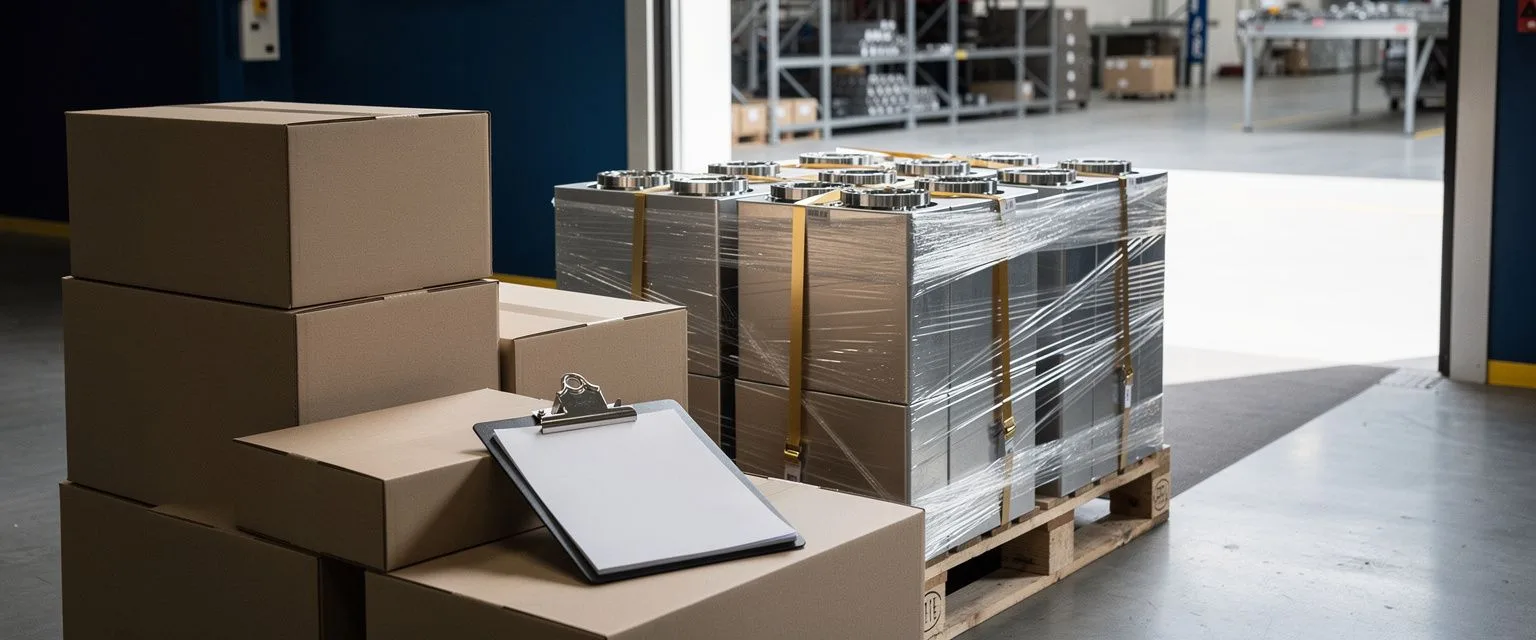
export logistics scene 1

What are the packaging and rust prevention requirements for precision CNC parts?

Precision CNC parts experience temperature changes, humidity, and vibration during ocean shipping, and the packaging and rust prevention methods directly affect their condition upon arrival. Common practice is to first apply rust-preventive oil or wrap the parts in VCI rust-preventive film, then individually wrap them in bubble wrap or PE stretch film, and finally pack them in corrugated cartons or wooden crates with desiccants to control humidity. For parts with precision requirements at the 0.01 mm level, buyers can request vacuum packaging or nitrogen flushing to isolate moisture from the air. The outside of the box should be marked with the part number, quantity, net weight, and gross weight, and a packing list should be included for import customs clearance. If the buyer does not specify a packaging level on the purchase order, the supplier will typically ship with "standard packaging," but this is insufficient for precision parts on long ocean voyages, so it is recommended to clearly agree on packaging requirements at the inquiry stage.

How should split deliveries and safety stock be arranged?

If mass-produced CNC parts are delivered in a single shipment, the buyer bears warehousing costs and capital tied up in inventory; if delivered in batches, the buyer bears freight costs for each batch and the supplier's production coordination costs. A common compromise in practice is "split deliveries plus safety stock": the buyer and supplier agree on fixed monthly or quarterly shipments, while the supplier maintains a certain number of weeks of safety stock (for example, 4 to 6 weeks of usage) to cover urgent additional orders or emergency needs during quality issues. This arrangement suits long-term cooperation between OEM parts suppliers and Tier-1 partners. The buyer must specify the quantity per batch, delivery schedule, inventory levels, and replenishment conditions in the purchase order, and regularly review forecast demand with the supplier to balance capacity and inventory.

CNC Parts Export Procurement Process

  1. 1

    Provide Drawings and Materials

    The buyer provides 2D/3D drawings, material certificates, and annual usage. The supplier evaluates material preparation and manufacturing processes to avoid specification changes delaying delivery.

  2. 2

    Agree on Incoterms Conditions

    Clearly list EXW, FOB, or DDP in the purchase order, and agree on the allocation of freight, insurance, and demurrage costs to reduce disputes over shipping delays.

  3. 3

    Agree on Packaging and Delivery Methods

    Precision parts require specifications for rust preventive oil, bubble wrap, vacuum packaging, etc., and agree on partial shipments and safety stock levels.

  4. 4

    Prepare Export Documents

    Before shipment, prepare the commercial invoice, packing list, certificate of origin, and material certificate, and confirm the format and number of copies of the FTA preferential certificate of origin.

  5. 5

    Establish Communication Channels

    Agree on a fixed contact window and response hours, and designate a single decision-maker to avoid delays caused by time zone differences and project stagnation.

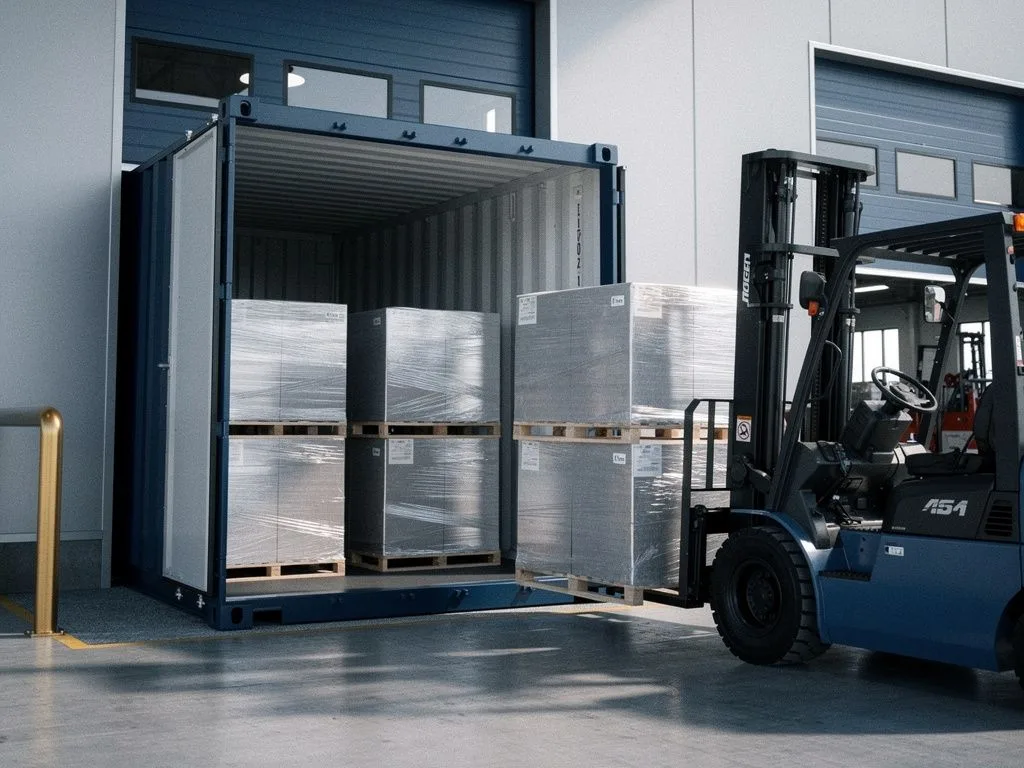
export logistics scene 2

What export documents and certificates of origin are required?

For exporting CNC parts from Taiwan, the required documents include a commercial invoice, packing list, certificate of origin, and material certificate. Depending on the destination country's requirements, an FTA preferential certificate of origin (such as ECFA or other bilateral agreements) may also be required. The commercial invoice must include the buyer and seller details, part numbers, quantities, unit prices, and total value, and state the Incoterms conditions and place of delivery. The packing list must correspond to each box's part numbers, quantities, and weights for import clearance and warehouse receiving. The certificate of origin can be applied for from the Bureau of Foreign Trade or relevant industry associations and should be prepared before shipment. The material certificate (Mill Certificate) is provided by the material supplier and includes chemical composition and mechanical properties; it is a mandatory requirement for many aerospace, automotive, and medical buyers. If the buyer does not specify document requirements in advance, the supplier may only provide a basic invoice, and missing documents discovered during import customs clearance can cause cargo delays and fines.

How can cross-time-zone communication avoid slowing down project progress?

The time difference between Taiwan and buyers in Europe and the US ranges from 7 to 16 hours, and the most common problems in cross-time-zone communication are "delayed message replies" and "waiting for decisions." An effective approach is to agree on a fixed contact window and response schedule, for example, replying to the day's emails by 4 PM Taiwan time, and designating a single contact person for the project to avoid messages being scattered across different windows. For urgent issues, instant messaging tools can be used with an agreed response time (for example, within 4 hours). The buyer side should also designate a decision-maker to avoid internal approvals for every inquiry. If both parties establish this communication rhythm at project kickoff, subsequent drawing approvals, sample feedback, and production coordination can proceed smoothly without project delays due to time differences.

Frequently Asked Questions

From which day is the CNC parts lead time calculated?

The lead time starts when both the written order confirmation and the deposit receipt are established. A few buyers agree to use the final drawing approval date as the starting point. Prototype samples take approximately 7 to 14 working days, while mass production batches range from 30 to 60 working days, depending on batch size.

How should EXW, FOB, and DDP be selected?

EXW has the lowest quotation, but the buyer must arrange export customs clearance and sea freight. FOB means the seller is responsible for export customs clearance and loading onto the vessel, while the buyer handles sea freight and import, making it a balanced choice for most overseas buyers. DDP means the seller bears all costs and risks until delivery to the buyer's door, with the highest quotation but the most convenience for the buyer.

How should rust prevention packaging be done for precision CNC parts?

First, apply rust preventive oil or wrap with VCI anti-rust film on the part surface, then wrap each part individually with bubble wrap or PE stretch film, and finally place into corrugated cartons or wooden crates with desiccants to control humidity. For 0.01 mm precision parts, vacuum packaging or nitrogen filling can be requested. The outside of the box should be marked with part number, quantity, and weight.

How should partial shipments and safety stock be arranged?

In practice, a common approach is 'partial shipment plus safety stock.' The buyer and supplier agree on fixed monthly or quarterly shipments, while requiring the supplier to maintain 4 to 6 weeks of safety stock to respond to sudden order increases or quality issues. The purchase order should specify the quantity per batch, delivery date, inventory level, and replenishment conditions.

What documents are required for exporting CNC parts?

Essential documents include commercial invoice, packing list, certificate of origin, and material certificate. Depending on the destination country's requirements, an FTA preferential certificate of origin may also be required. The commercial invoice must include buyer and seller information, part numbers, quantities, unit prices, and Incoterms conditions. The material certificate is provided by the material supplier and is a mandatory requirement for aerospace, automotive, and medical buyers.

Need an actionable CNC parts export procurement checklist?

Welcome to send your part drawings, materials, annual usage, and target delivery dates to [email protected], or call +886-4-2534-5219. The Yuan Shun Li team will evaluate delivery, packaging, and export document details for you.