
Why Use Swiss-Type Lathes for Precision Turning of Long Shaft Components?
The core reason for choosing Swiss-type lathes for precision turning of long shaft components is that the guide bushing provides stable support near the cutting point, simultaneously suppressing vibration and tool deflection on slender shafts, while completing turning, milling, tapping, and back-end machining in a single clamping operation. When parts have a high length-to-diameter ratio, small diameters, or strict requirements for concentricity and repeatable dimensional consistency, Swiss-type lathes offer a clear advantage over conventional lathes in terms of dimensional stability and mass-production yield. Yuan Shun Li, located in Tanzi, Taichung, is equipped with Star Swiss-type lathes, along with BROTHER and TAKISAWA equipment, enabling a seamless transition from prototyping to mass production.
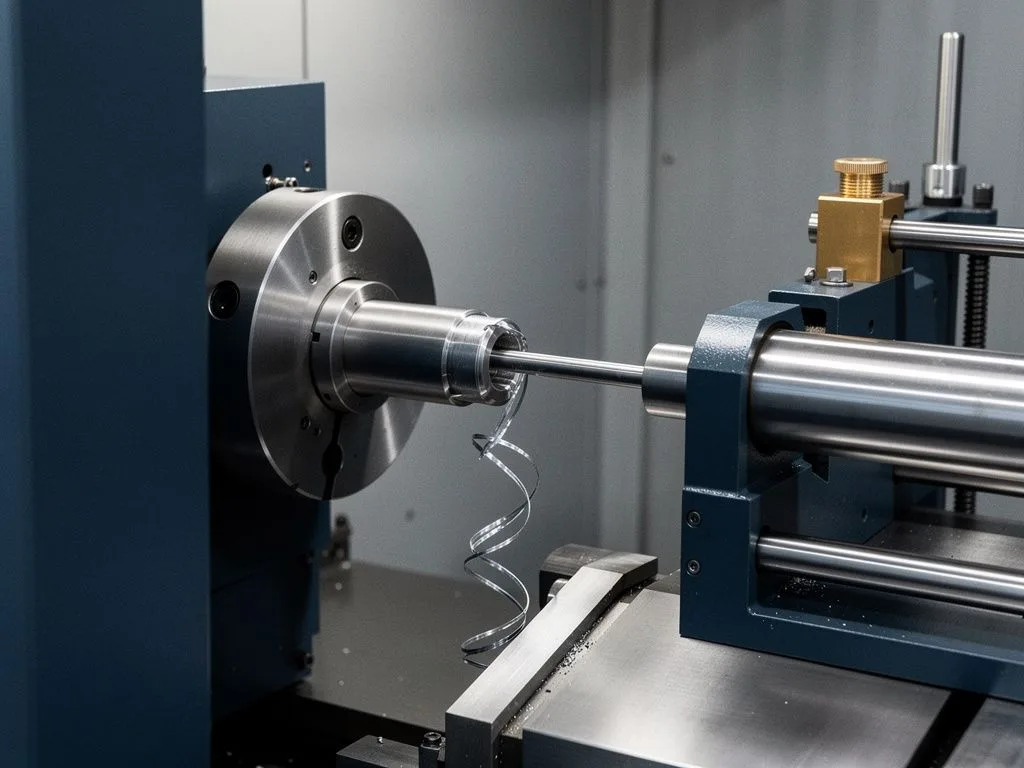
How to choose between guide-bushing and non-guide-bushing Swiss-type lathes?
Guide-bushing Swiss-type lathes support the workpiece with a guide bushing throughout the entire machining process, offering the highest rigidity. They are suitable for parts with a large length-to-diameter ratio, deep hole turning, or heavy cutting. However, they are more sensitive to surface defects in the bar stock, so straightness and surface condition must be checked before feeding. Non-guide-bushing Swiss-type lathes allow the workpiece to overhang while being held by the main spindle. Although rigidity is slightly lower, this design prevents surface scratches on the bar stock from being transferred to the workpiece, making it particularly suitable for parts with strict surface roughness requirements or parts that already have machined sections. Buyers should base their selection on workpiece structure and surface requirements rather than equipment price alone. During the evaluation stage, Yuan Shun Li compares the yield and machining time of both processes and provides corresponding process recommendations.
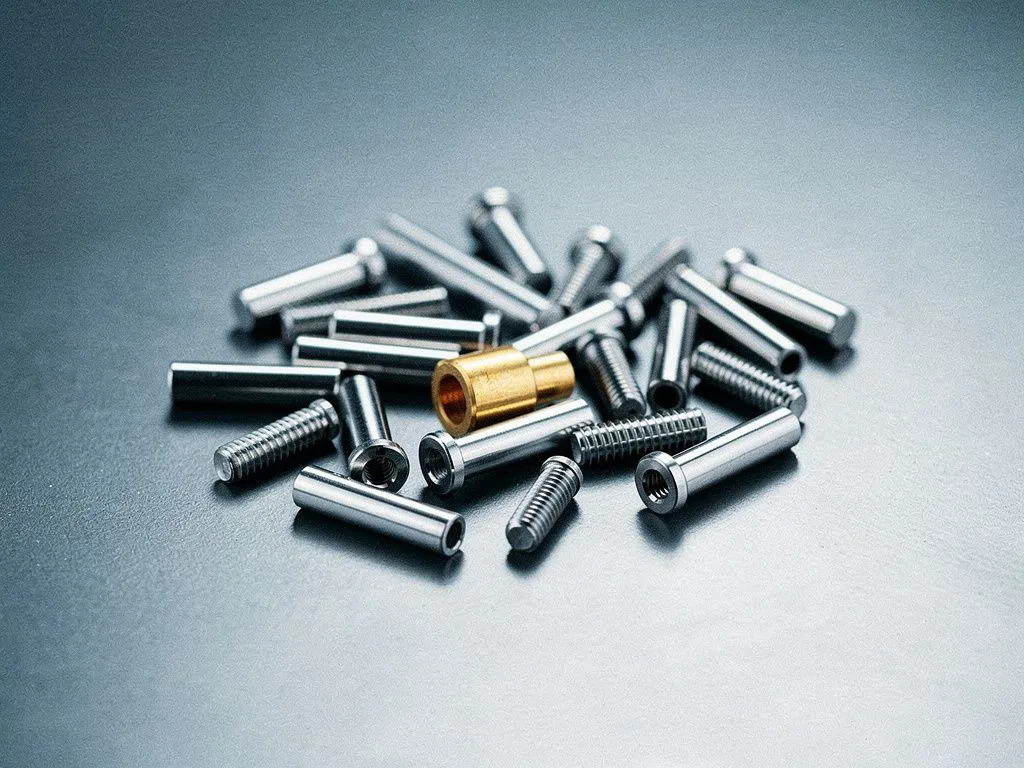
How do Swiss-type lathes support automated and unmanned production?
The advantages of Swiss-type lathes in automated and unmanned production mainly come from their stable bar feeding and long-duration machining characteristics. By adding an automatic bar feeder, magazine, and workpiece retrieval system, a single machine can run continuously during night shifts or unattended operation. This is especially suitable for precision shaft parts with stable batch sizes and simple geometries. For OEM and Tier-1 buyers, unmanned production means predictable lead times, lower labor costs, and reduced quality variation. When evaluating mass production projects, Yuan Shun Li recommends whether to adopt automation configurations based on batch size, part geometry, and delivery schedule, and maintains process stability under the ISO 9001:2015 quality system. Actual certification details are confirmed according to specifications.