
Key Considerations for Machining Small-Diameter Precision Threads
The difficulty of machining small-diameter precision threaded parts (commonly 3–10mm outer diameter) centers on three issues: tool rigidity on small workpieces, chip evacuation when the length-to-diameter ratio is high, and dimensional accuracy of thread pitch and depth. Swiss-type lathes are particularly suitable for external and internal threading of such slender parts because the guide bushing supports the workpiece and the main and sub spindles can synchronously transfer the part. When evaluating suppliers, buyers should first confirm their equipment capabilities and material experience, then discuss tolerances and inspection procedures.
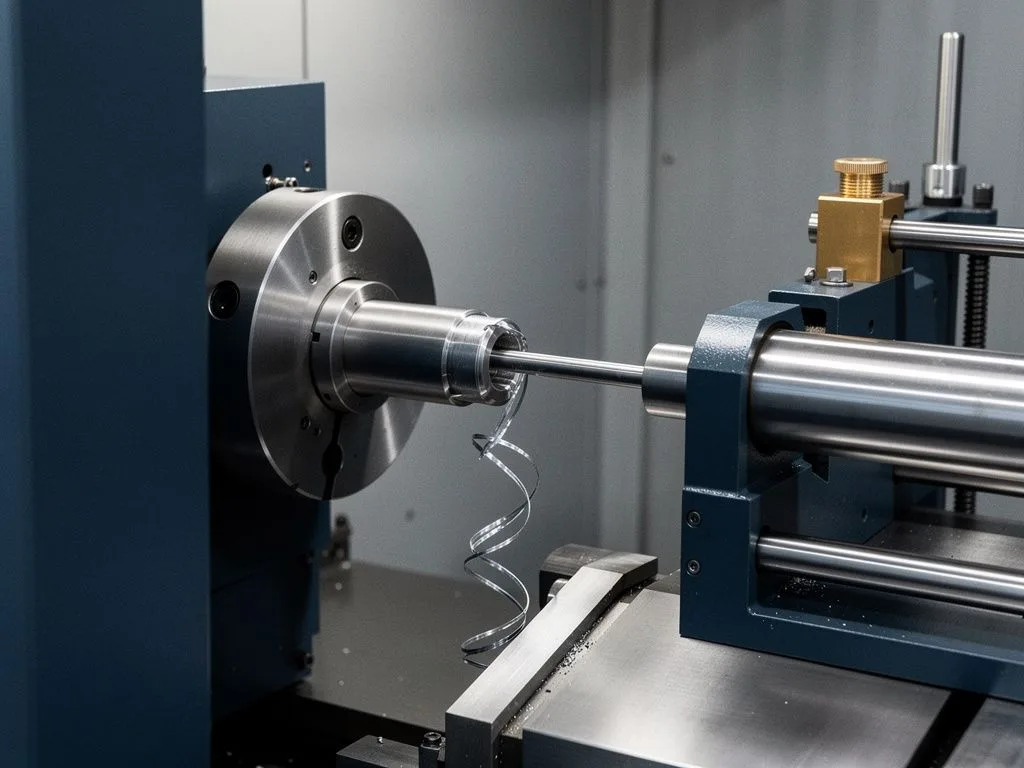
How Do Different Materials Affect Small-Diameter Thread Machining?
The material directly determines tool life and cutting parameters. Aluminum alloys are soft and can be cut at high speed, but they tend to cause built-up edge, and the thread root requires special attention to burrs. Stainless steels (303, 304, 316) have a strong work-hardening tendency, so cutting speed must be reduced and coated tools are required. Carbon steel tends to produce burrs when cutting threads, often requiring a downstream deburring process. Brass and copper, due to their high ductility, are prone to thread profile deformation, so tolerances need to allow extra margin. Common materials processed by Yuan Shun Li include aluminum alloys, stainless steel, carbon steel, brass, and copper. Only after the buyer provides the material grade and hardness can the supplier give a reliable process recommendation.
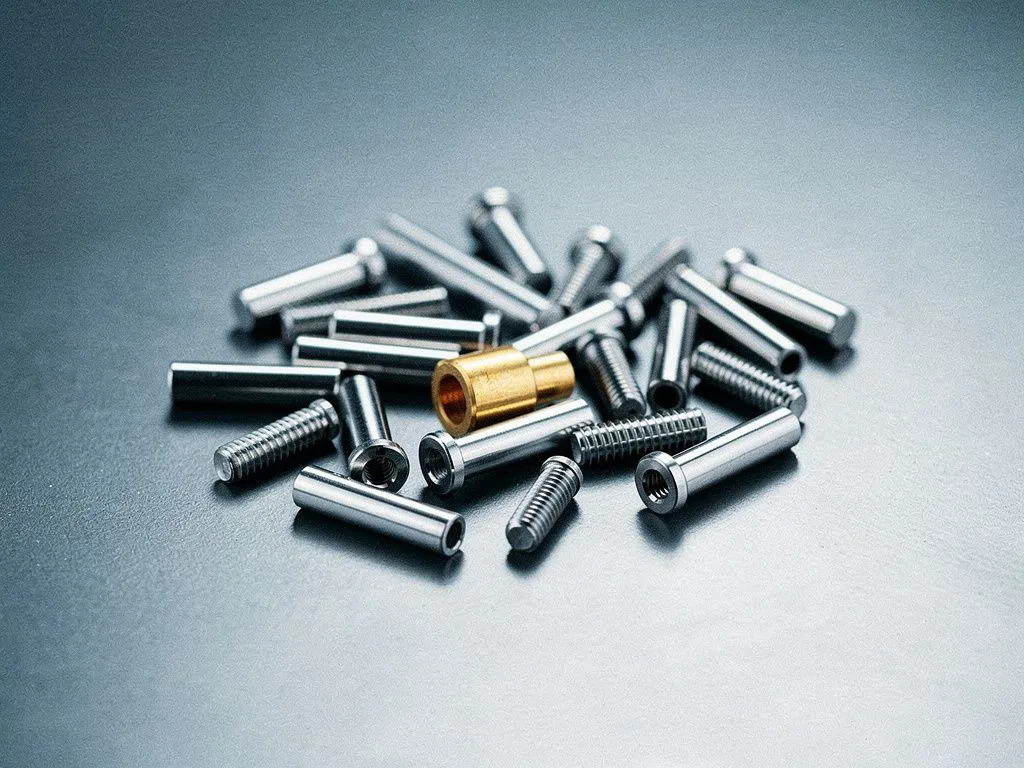
What Information Should You Provide When Requesting a Quote to Get an Accurate Price?
A complete RFQ package allows a supplier to respond with feasibility and pricing within 24–48 hours. Buyers should prepare: a 2D drawing or 3D file of the workpiece (with thread specification, tolerance, and roughness noted), material grade and hardness, order quantity (trial run quantity and mass production quantity listed separately), whether surface treatment is required (such as passivation, nickel plating, anodizing), inspection method and acceptance criteria, and packaging method. The more complete the information, the more accurately the supplier can assess whether tool changes, cutting parameter adjustments, or additional deburring processes are needed. Yuan Shun Li serves OEM parts suppliers, Tier-1 subcontractors, and prototyping development teams, and buyers can provide corresponding technical documents based on their role.