
What kind of parts are worth five-axis machining?
The decision on whether a part is worth five-axis machining hinges on three conditions being met simultaneously: the part has multi-sided features that must be completed in a single setup, there are geometric dead zones that three-axis tools cannot reach, and the batch size is large enough to absorb the longer programming and simulation lead time. When all three conditions are met, the cost-effectiveness of five-axis machining clearly outperforms a three-axis approach with multiple setups; if only one of these conditions holds, it can often be replaced by fixture design or process splitting, and five-axis machining may not be necessary.
Why does the programming and simulation lead time of five-axis machining extend quoted delivery times?
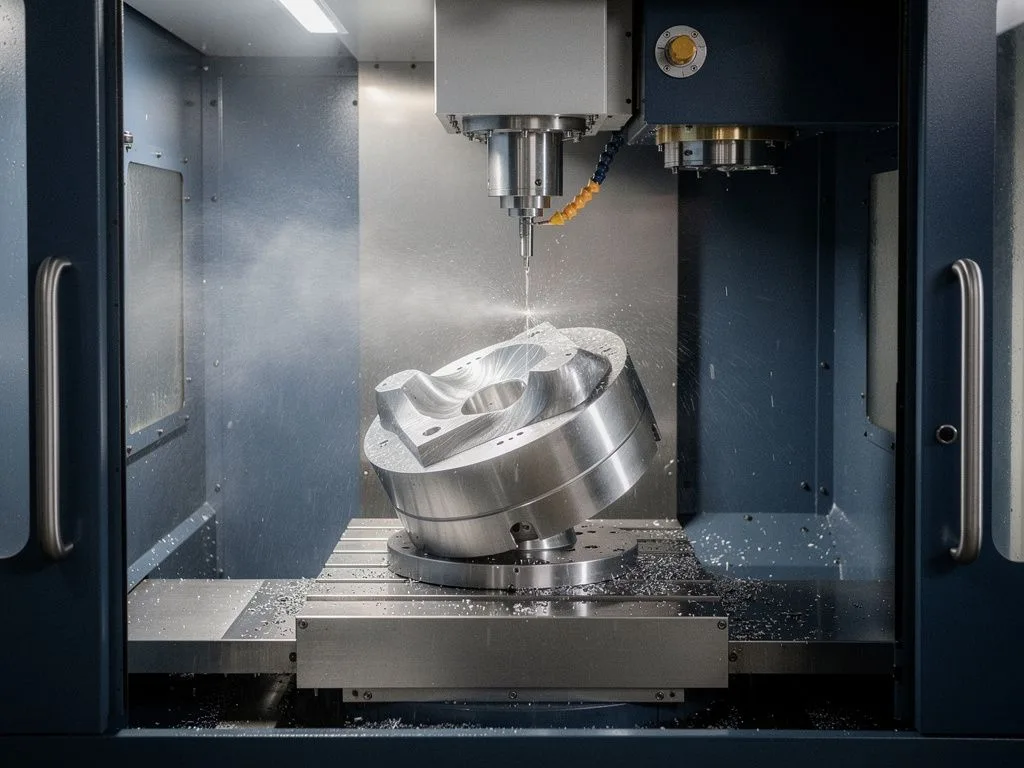
'Why is the quoted delivery time for five-axis machining longer than three-axis?' The answer lies in the preparatory work. Three-axis tool paths are relatively simple and technicians can produce them quickly based on experience; five-axis programs must consider variables such as tool vectors, rotary axis interference, and cutting load changes with angle, and must be generated in CAM software followed by full 3D simulation to confirm there is no overcutting or tool collision. This process has a significantly longer lead time during the initial introduction of a new product; once the product enters mass production and the program has been verified, the actual cutting time per piece may actually be shorter than three-axis because it eliminates the time for multiple setups and re-alignment. When evaluating delivery times, buyers should ask about 'initial programming and simulation time' and 'subsequent mass production time' separately to avoid being misled by a single quote.
At approximately what batch size does five-axis machining become cost-effective?
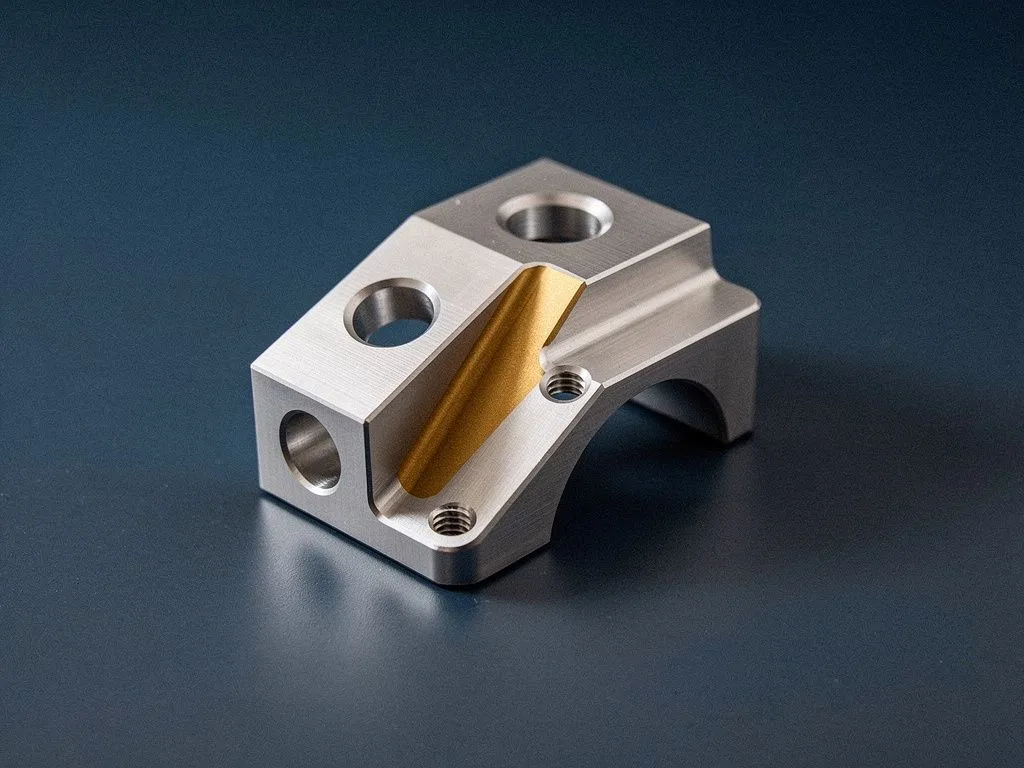
"How large does the batch size need to be for five-axis to be worth it?" There is no single numerical answer, but it can be inferred from the cost structure. The fixed costs of five-axis machining include CAM programming, simulation verification, fixture design, and first-article inspection, and these costs are spread across each part. When the batch size is only in single digits or tens of parts, the fixed cost per part can be much higher than for three-axis machining. In practice, when the batch reaches mass-production scale and the time saved per setup plus the improvement in yield is enough to offset the upfront costs, the unit cost of five-axis begins to fall below that of three-axis. When requesting quotes, buyers should provide an estimated batch range for the coming year (e.g., 5 prototype parts, 50 low-volume parts, 500 production parts) and ask the machining shop to quote each level and indicate at which batch level the cost crossover point begins. This is more valuable for decision-making than simply comparing prices.