
How Single-Setup Machining Reduces Tolerance Stack-Up
Single-setup machining means a workpiece is processed on multiple faces in a single operation without flipping or repositioning, thereby avoiding the accumulation of errors caused by multiple setups. For parts requiring multi-face features, relative hole positions, or continuous surfaces, single-setup machining can reduce tolerance stack-up from tens of microns down to single-digit microns. This is also one of the core values of five-axis machining and mill-turn centers. To determine whether your part is worth single-setup machining, the key is the relative position requirements between features, not the accuracy of any single feature itself.
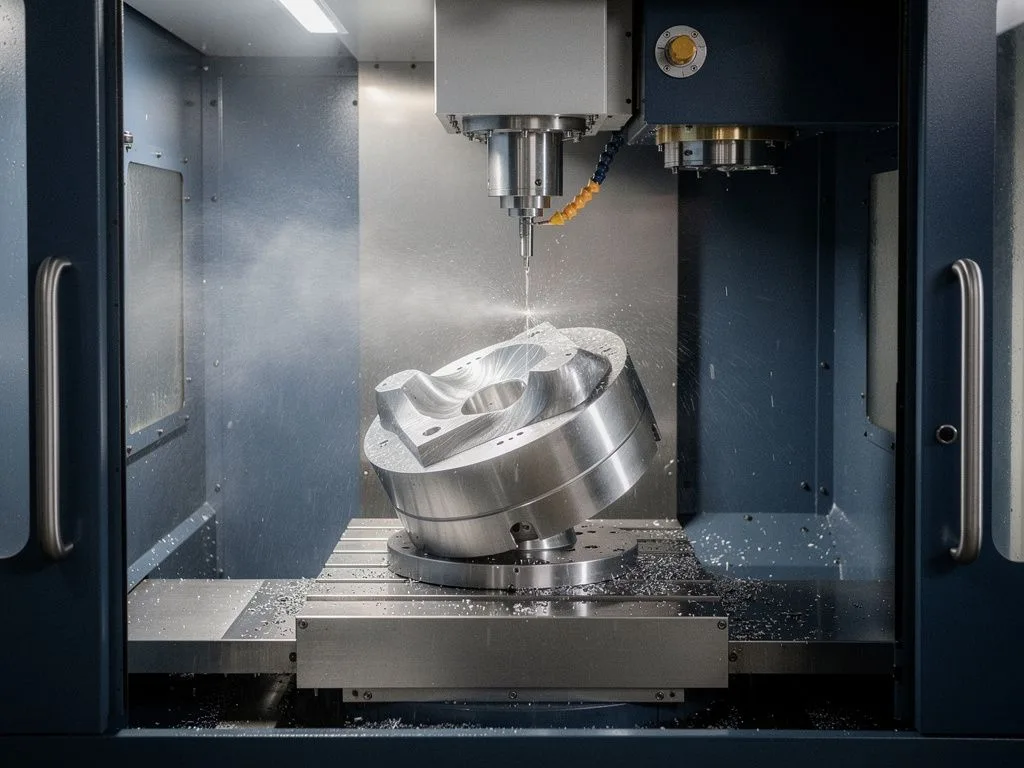
How Do Five-Axis Machining and Mill-Turn Centers Achieve Single-Setup Machining?
Five-axis machining uses two rotary axes to allow the tool to approach the workpiece from different angles, so the workpiece itself does not need to be flipped, and all features can be completed in a single setup. Swiss-type lathes and mill-turn centers integrate turning and milling on the same machine. When the workpiece is transferred between the main spindle and the sub-spindle, the milling unit can simultaneously machine side holes, end-face slots, eccentric holes, and other features. The entire workpiece, from bar stock to finished part, requires only one setup. Yuan Shun Li is equipped with BROTHER, TAKISAWA, and other brand machines, and also has Star Swiss-type lathes, allowing the most suitable single-setup solution to be selected based on part geometry. Buyers should organize the features, relative position tolerances, and datum references on the drawing clearly, so that our engineers can determine whether to use three-axis with flipping, four-axis indexing, or go directly to five-axis machining.
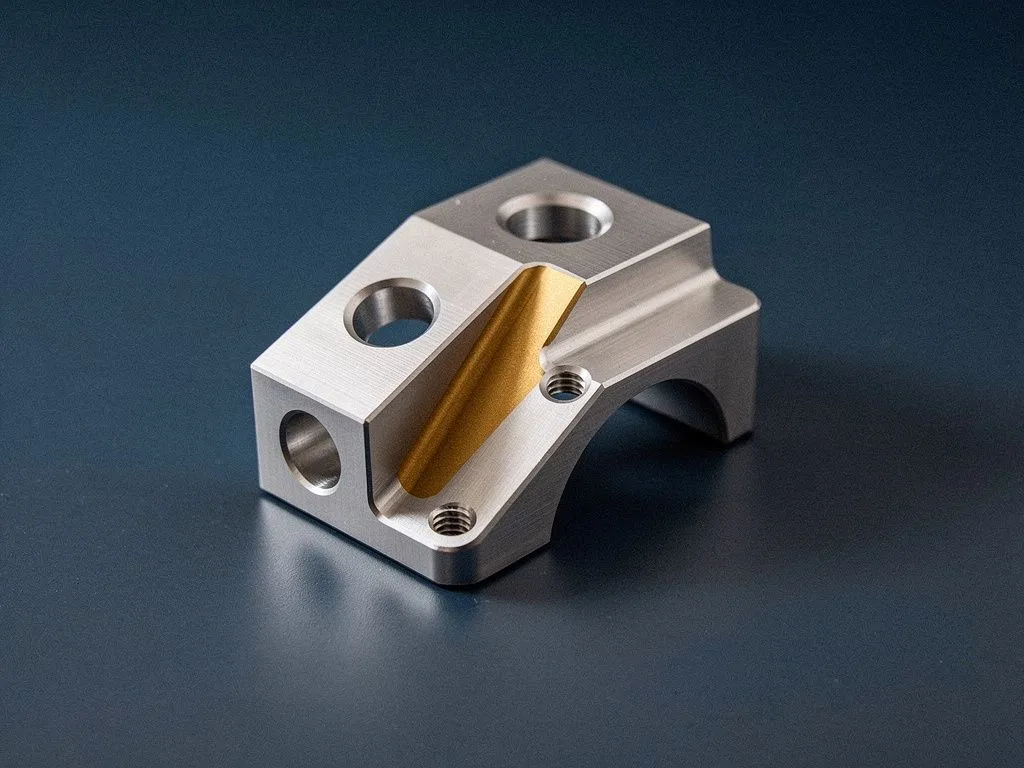
Three questions to determine if your part needs a single setup
Buyers can quickly assess this with three questions. First, does the part have two or more features that require relative positional tolerances? If yes, ask the second question: are these features located on different faces or at different angles? If so, ask the third question: is the part material aluminum alloy, stainless steel, carbon steel, or brass/copper? Thin-walled or irregularly shaped parts are more sensitive. If all three answers are yes, it is worth asking a machining shop to evaluate a single-setup solution. Yuan Shun Li serves OEM parts suppliers, Tier-1 subcontractors, and prototyping development teams, and these three types of buyers most often encounter parts that require a single setup. Providing the answers to these three questions along with the drawings will make quoting and process evaluation more accurate.