
Why Taiwan's Precision Machining Is Concentrated in Taichung
Taiwan's precision CNC machining is concentrated in Taichung because, since the 1970s, the central region has gradually developed an industrial cluster centered on machine tools, bicycles, and mechanical parts. The Shengang, Tanzi, Fengyuan, and Beitun areas have gathered subcontracting capabilities ranging from lathes and milling machines to multi-tasking turn-mill centers. The Central Taiwan Science Park has also brought in aerospace and optoelectronics demand, creating a complete supply network of material suppliers, surface treatment shops, and heat treatment facilities within a radius of a few dozen kilometers. For overseas buyers, this means that when sourcing CNC suppliers in Taichung, they can compare turning, milling, Swiss-type lathe, and multi-axis machining subcontractors in one place, and access heat treatment and surface treatment support nearby—a structural advantage Taiwan holds over other Asian production bases. The density of factories in the cluster also means buyers can schedule multiple factory audits or technical visits in a single day during the evaluation phase, reducing the time cost of procurement decisions.
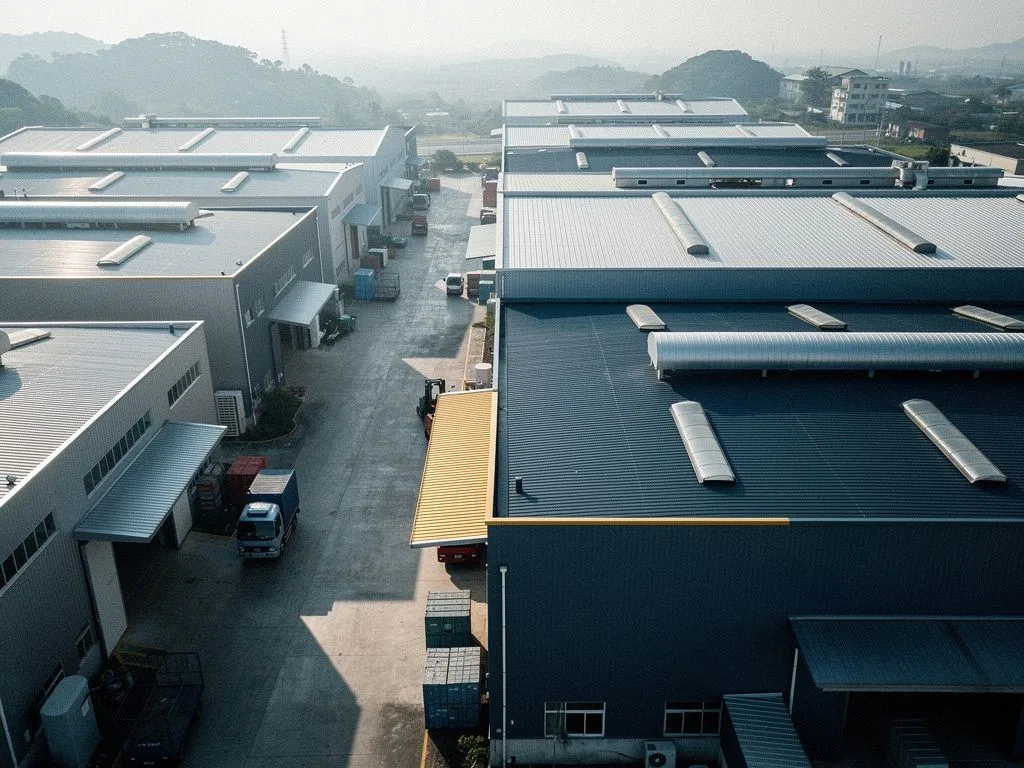
What should overseas buyers prepare for a factory audit?
When overseas buyers visit the Taichung cluster for a factory audit, it is recommended to prepare three categories of documents and three categories of on-site observation points. For documents, you should have material certificates, machining drawings (including tolerance markings and surface roughness requirements), first article inspection plans, and historical process capability index (Cp, Cpk) data. Also confirm whether the supplier holds ISO 9001:2015 quality management system certification, and request copies of the actual certificate number and validity period for verification. On-site observation points include: calibration records of measuring equipment (CMM, projector, roughness tester), the frequency of first article and patrol inspections during production, the sampling ratio for final inspection before shipment, and the quarantine and traceability process for non-conforming parts. For suppliers with Tier-1 subcontractor status, buyers typically also require a review of the execution of customer list confidentiality agreements (NDA) and past PPAP or initial sample approval templates. Providing these documents electronically before the audit can shorten on-site verification time. For the audit schedule, it is recommended to arrange at most two factories per day, allowing 2 to 3 hours per factory, and include the measurement room, production area, shipping area, and warehouse in the tour route to avoid only visiting the sample room and missing the actual state of the production line.
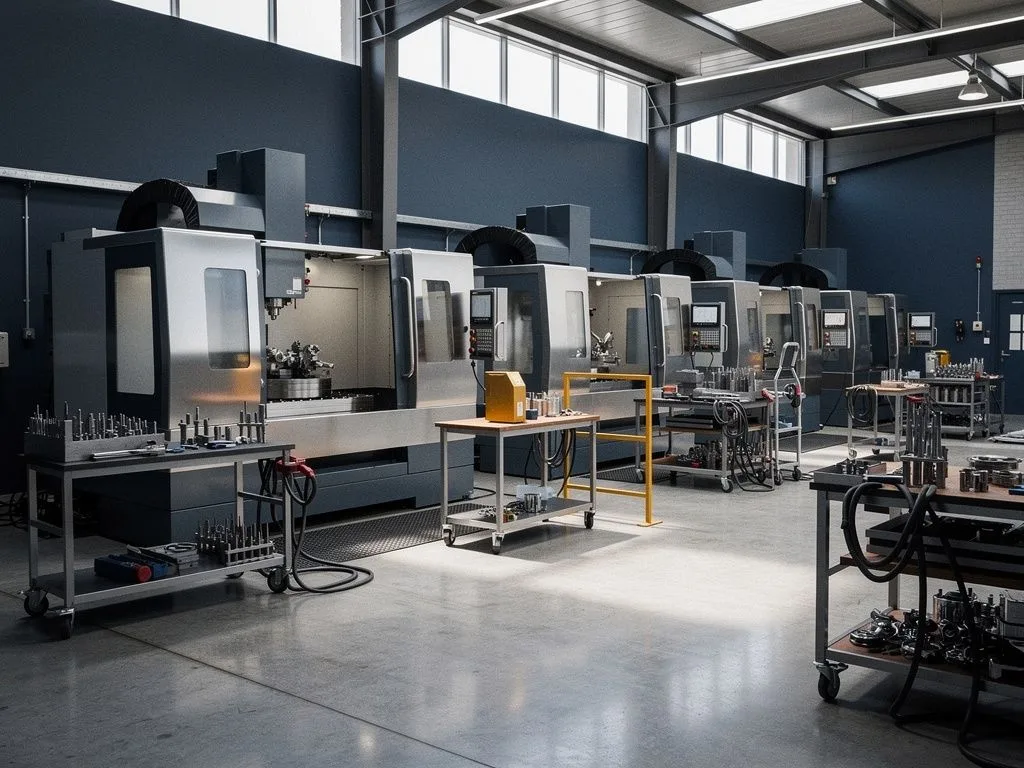
What is the positioning of the Taiwanese supply chain relative to other Asian production bases?
The Taiwanese supply chain is positioned relative to other Asian production bases as "medium-to-high precision, small-to-medium batch sizes, and rapid response," which differentiates it from the large-scale mass production lines in South China and East China, as well as the emerging labor-intensive processing in Vietnam and Thailand. The strengths of the Taichung cluster lie in complex geometry parts (requiring 5-axis milling or mill-turn machining), high tolerance requirements (IT5 to IT7 grades), special material processing (medical-grade stainless steel, aerospace aluminum alloys, titanium alloys), and rapid transition from trial production to mass production. For buyers, the decision points for choosing Taiwan over other Asian production bases typically include: order quantities between 50 and 5,000 pieces per order, lead times of 2 to 4 weeks, requirements for PPAP or initial sample approval, emphasis on IP protection and NDA enforcement, and the need for real-time communication in Chinese and English. Conversely, if buyers need pure mass production of a single part exceeding 10,000 pieces, or large-volume plastic injection molding and metal stamping, the supply chains in East China or Vietnam would be more cost-competitive. This is a practical distinction buyers should make when evaluating production locations. In practice, some buyers adopt a dual-location strategy of "trial production in Taiwan, mass production in China," placing new part sample validation and process development in the Taichung cluster and then transferring to a lower-cost location for mass production, balancing development speed and mass production costs.