
How should buyers evaluate logistics and lead times for shipments from Taichung?
For precision CNC machined parts shipped from Taichung, lead time is determined by four variables: material procurement, machining processes, inspection scheduling, and shipping method. For prototype parts, when materials are in stock, turned parts typically take 5–7 working days and milled parts 7–10 working days; production parts are adjusted based on batch size and process complexity. Sea freight departs from Taichung Port and air freight from Taoyuan International Airport. Buyers should confirm material, surface finish, and packaging requirements at the RFQ stage to avoid delays caused by later changes.
Key Takeaways
Lead Time Is Determined by Four Key Variables
Material procurement, machining processes, inspection scheduling, and shipping methods determine delivery time. Prototype turning takes approximately 5–7 days, milling 7–10 days, while production parts are adjusted based on batch size and process complexity.
Prototype and Production Lead Time Estimates Differ
Prototype parts depend on material availability and process complexity. Production parts require breakdown of machining schedules, inspection sampling, and shipping packaging. Batch size and annual demand affect the committed delivery time.
Sea vs. Air Freight Depends on Volume and Urgency
Sea freight suits large-volume or heavy batch parts, costing about 1/5 to 1/8 of air freight. Air freight reaches most markets in 3–5 days, suitable for prototypes or urgent orders. A mixed mode is also possible.
A Complete RFQ Is Essential for Accurate Lead Time
Buyers must provide drawings, material grades, batch size, surface treatment, packaging, and trade terms. Only with complete information can the factory provide a committed delivery time and avoid delays.
What is the typical lead time for prototype parts?
The lead time for prototype parts mainly depends on material availability and process complexity. Taking Yuan Shun Li's factory in Tanzi, Taichung as an example, turned parts using common stock materials such as aluminum alloy 6061 or stainless steel 304 typically take about 5–7 working days from material preparation to final inspection before shipment. Milled parts or mill-turn composite parts take about 7–10 working days due to longer programming and fixture setup times. If materials need to be specially ordered or surface treatments (such as anodizing or passivation) are outsourced, lead time increases by 3–7 days. Buyers should proactively provide material grades and indicate whether surface treatment is required when requesting quotes, enabling the factory to give an accurate delivery date rather than estimating based solely on the word "prototype."
How should production part delivery times be reasonably estimated?
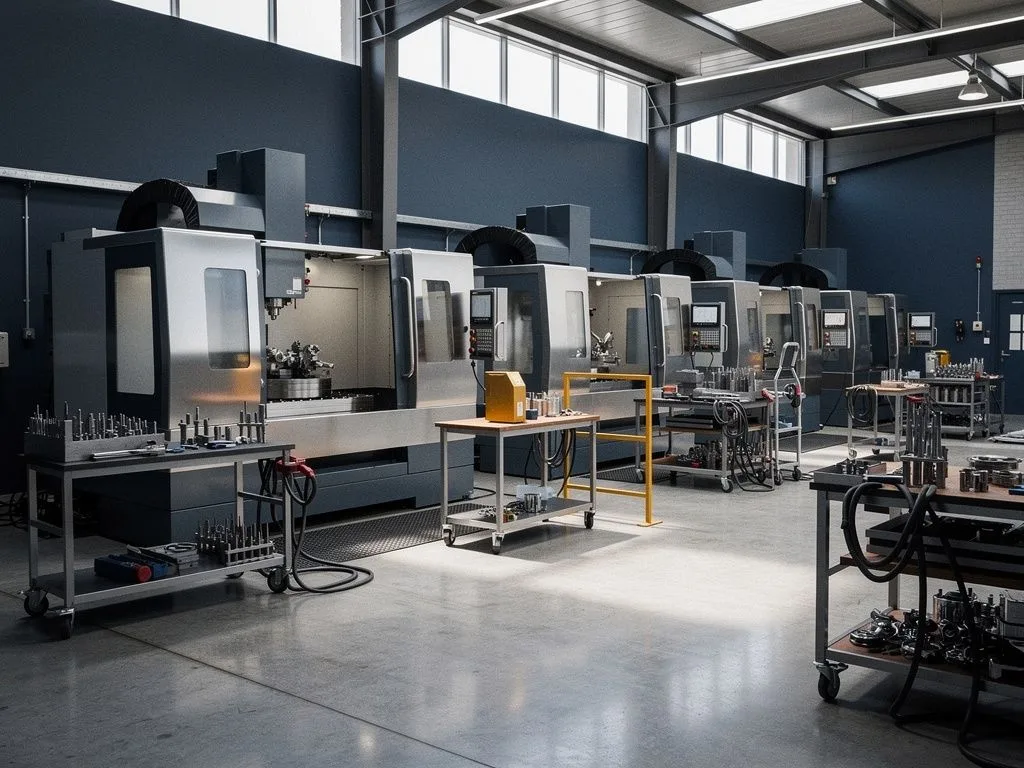
Estimating delivery times for production parts must be broken down into three stages: machining scheduling, inspection sampling, and shipping packaging. For CNC turning production, for example, if the batch size is 500 pieces or fewer with a single process, continuous production using TAKISAWA or BROTHER equipment takes about 5–10 working days for machining itself. For batches exceeding 1,000 pieces or involving multiple processes (such as turning followed by milling), 15–25 working days are required. The inspection process depends on buyer specifications, which may require full inspection or CMM measurement, adding 1–3 days. Buyers should avoid requesting quotes with only a "the shorter the delivery time, the better" mindset. Instead, they should provide estimated batch sizes, annual demand, and delivery fluctuation ranges so the factory can plan capacity and provide a committed delivery date.

For shipments from Taichung, is sea freight or air freight more cost-effective?
The choice between sea and air freight depends on cargo volume, weight, and delivery urgency. Sea freight from Taichung Port is suitable for batch parts with volume exceeding 1 CBM or weight over 500 kg. Transit times vary by destination: approximately 5–8 days to Southeast Asia, 18–22 days to the US West Coast, and 28–35 days to Europe. Sea freight costs about 1/5 to 1/8 of air freight. Air freight from Taoyuan International Airport reaches most major markets in 3–5 days, making it suitable for prototype parts, urgent orders, or high-value small-volume components. To control total costs, buyers can adopt a hybrid model of "air freight for prototypes, sea freight for production," and specify trade terms such as FOB, CIF, or DDP at the RFQ stage to avoid disputes over freight cost allocation.
Does material preparation affect lead time?
Material preparation is the most underestimated part of lead time. Among the aluminum alloy, stainless steel, carbon steel, brass, and copper that Yuan Shun Li Machining processes, common specifications such as aluminum alloy 6061 and 304 stainless steel are usually available from stock or with short procurement lead times. However, if a buyer specifies special grades—such as 7075 aerospace-grade aluminum, 316L medical-grade stainless steel, or stainless steel with specific hardness—material procurement may take 7–14 days. For small-diameter bar stock used in Swiss-type lathe machining (e.g., 2mm–10mm), procurement takes even longer if the specifications are unusual. Buyers should proactively state any material sourcing constraints when requesting a quote, such as "must use European materials" or "Asian substitutes are acceptable," as this directly affects whether the factory can meet the delivery date.
Key Processes Affecting Lead Time
- 1
Material Procurement Confirmation
Common grades are in stock; special grades require 7–14 days for procurement. Small-diameter bar stock for Swiss-type lathes needs early confirmation.
- 2
Machining Process Scheduling
Single turning takes about 5–7 days, milling or mill-turn combined 7–10 days, and multi-process production parts require 15–25 days.
- 3
Inspection and Measurement
Incoming, in-process, and final pre-shipment inspections are standard. Full inspection or CMM measurement adds 1–3 days.
- 4
Outsourced Surface Treatment
Anodizing, passivation, coating, and other outsourced processes take 3–7 days. Special colors or environmentally certified processes may have longer schedules.
- 5
Shipping and Transportation
Sea freight departs from Taichung Port, air freight from Taoyuan Airport. Trade terms affect freight cost allocation and documentation preparation time.

Do surface treatments and post-processing extend delivery times?
Surface treatment and post-processing are another key variable affecting delivery time. Yuan Shun Li provides CNC machining and inspection in-house, but surface treatments such as anodizing, passivation, nickel plating, sandblasting, and painting are typically outsourced, meaning parts must be transported between the machining facility and the surface treatment facility. Taking the scheduling of surface treatment suppliers in the Taichung area as an example, standard anodizing takes about 3–5 working days, while special colors or hard anodizing take about 5–7 days. If processes require environmental compliance certifications such as RoHS or hexavalent chromium-free, scheduling may take even longer. Buyers who wish to shorten the total delivery time can ask the factory to coordinate surface treatment and provide one-stop shipping, or they can designate their own surface treatment supplier and arrange pickup. Each of these models involves trade-offs in cost and time.
What information should buyers provide when requesting a quote to get an accurate delivery time?
To obtain an accurate delivery estimate, buyers must provide the following information in their RFQ: 2D/3D drawings or samples of the part, material grade and specification, batch size and estimated annual demand, surface treatment requirements, packaging method (bulk, individual packaging, rust-proof packaging), shipping terms (FOB, CIF, DDP), destination country, and expected delivery date. The more complete the information, the better the factory can assess the feasibility of material preparation, machining scheduling, and logistics time. As an OEM parts supplier and Tier-1 partner, Yuan Shun Li is accustomed to providing delivery times based on complete RFQs. If a buyer provides only drawings without specifying batch size and delivery requirements, the factory can usually only provide a range, which is of limited help for subsequent scheduling.
Six key variables affecting lead time
Material preparation status
Common specifications are in stock, while special specifications require 7–14 days for procurement; small-diameter bar stock for Swiss-type lathes needs to be confirmed in advance.
Machining process complexity
Simple turning takes about 5–7 days, milling or turn-mill combined takes about 7–10 days, and multi-process mass production parts require 15–25 days.
Inspection and measurement requirements
Incoming, in-process, and final pre-shipment inspections are standard procedures; full inspection or CMM measurement adds an additional 1–3 days.
Outsourced surface treatment scheduling
Outsourced processes such as anodizing, passivation, and coating take 3–7 days, with special colors or environmentally certified processes taking longer.
Shipping method and trade terms
Sea freight departs from Taichung Port, air freight from Taoyuan Airport; FOB, CIF, and DDP terms affect freight cost allocation and documentation preparation time.
Batch size and annual demand
Batch size determines machining scheduling, while annual demand determines capacity planning; providing estimates allows the factory to offer a committed delivery time.
What does Taichung's geographic advantage mean for buyers?
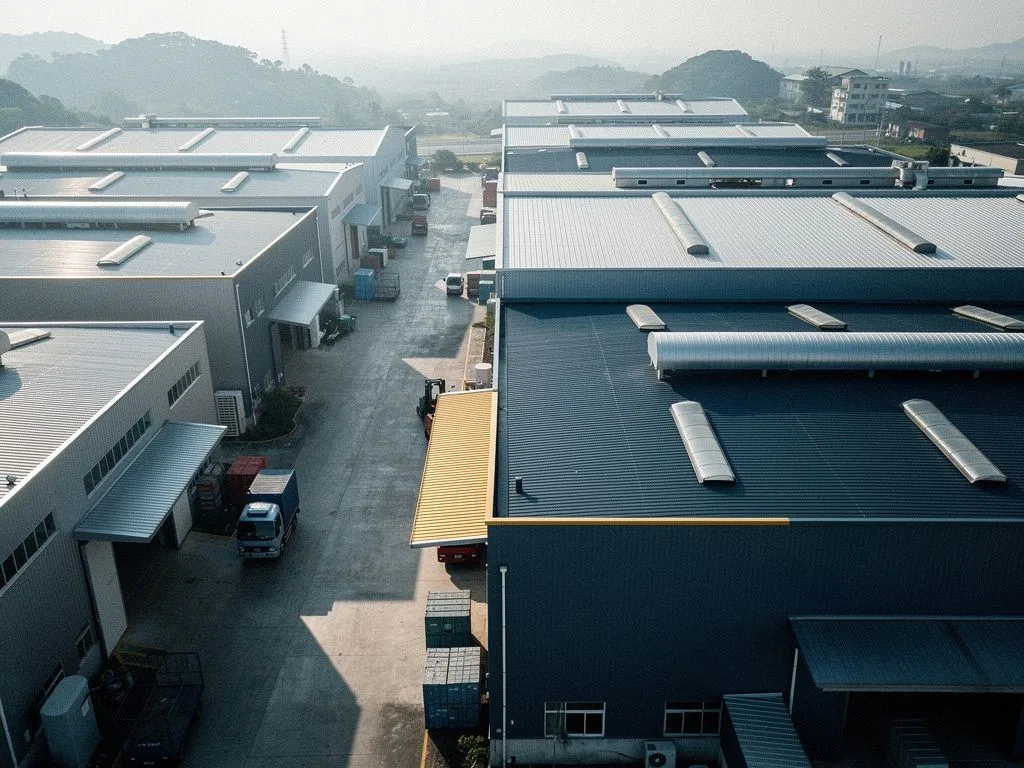
Taichung is located in the middle of Taiwan's western corridor, about a 30-minute drive from Taichung Port and a 1.5-hour drive from Taoyuan International Airport. This location allows Yuan Shun Li to support both sea and air freight shipments. For buyers, this means the factory can flexibly switch between transport modes based on delivery urgency, and imported materials (such as special steel from Japan and Germany) can be delivered directly to the factory after arriving at Taichung Port, reducing transit time. In addition, the Tanzi District of Taichung is adjacent to the precision machinery industry cluster and science parks, meaning a high density of subcontractors (such as surface treatment and heat treatment). Outsourced processing pickup and delivery can typically be completed within half a day, a supply chain density advantage that is difficult to replicate in other regions.
Frequently Asked Questions
What is the typical lead time for prototype parts?
Prototype parts take approximately 5–10 working days, depending on material availability and process complexity. Turning parts using stock materials like aluminum 6061 or stainless steel 304 take about 5–7 days; milling or mill-turn combined parts take 7–10 days. If materials need to be purchased or surface treatment is outsourced, add 3–7 days.
How should production part lead time be reasonably estimated?
Production lead time should be broken down into machining schedule, inspection sampling, and shipping packaging. For orders under 500 pieces with a single process, allow 5–10 days. For over 1,000 pieces or multiple processes, allow 15–25 days. Full inspection or CMM measurement adds 1–3 days. Buyers should provide batch size and annual demand.
Shipping from Taichung: Is sea or air freight more cost-effective?
Sea freight suits batch parts larger than 1 CBM or heavier than 500 kg, costing about 1/5 to 1/8 of air freight. Air freight reaches most markets in 3–5 days, suitable for prototypes or urgent orders. Buyers can adopt a mixed mode—air for prototypes, sea for production—and specify trade terms in the RFQ.
Does material procurement affect lead time?
Material procurement is the most underestimated part of lead time. Common grades like aluminum 6061 and stainless steel 304 are in stock, but special grades such as 7075 aluminum or 316L stainless steel require 7–14 days for procurement. Small-diameter bar stock for Swiss-type lathes takes even longer. Buyers should proactively disclose material source constraints.
Do surface treatment and post-processing extend lead time?
Surface treatment is usually outsourced. Standard anodizing takes about 3–5 days, special colors or hard anodizing 5–7 days, and environmentally certified processes may have longer schedules. Buyers can ask the factory to manage everything for one-stop shipping, or specify their own surface treatment vendor—each has cost and time trade-offs.
Need an accurate delivery estimate?
Provide drawings, materials, order quantity, and delivery requirements, and let Yuan Shun Li report a committed lead time and shipping schedule based on actual capacity and material availability.