
Machine Equipment
48 High-Precision CNC Machines Imported from Japan and Switzerland — What Each Group Does, Explained
Yuan Shan Li currently has 48 machines: 20 Japanese BROTHER CNC machining centers, 13 Swiss Star CNC automatic lathes (handling five-axis machining), 8 CNC milling machines, and 7 Japanese TAKISAWA horizontal lathes. Precision tolerances can reach 0.007 mm and surface roughness Ra 0.3 µm. This page explains the applicable part types for each group — buyers can use this to determine which process route their drawings should follow.
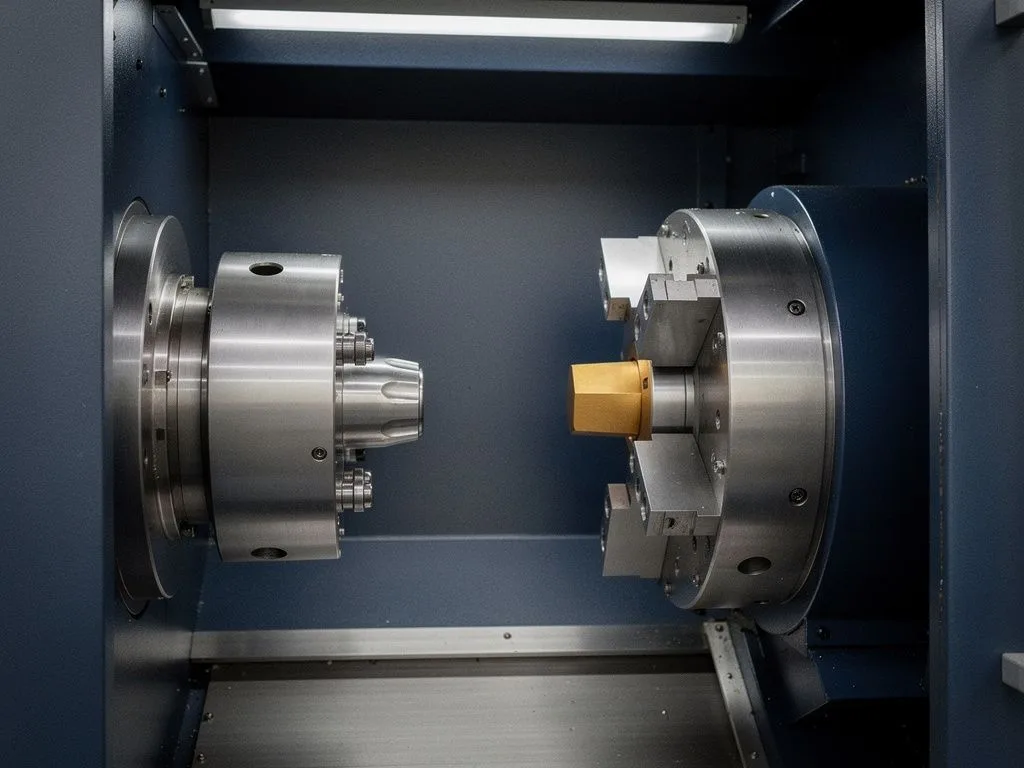
BROTHER CNC Machining Center Group (Japan · 20 Units)
The main high-speed machining workhorses imported from Japan, and the largest equipment group at Yuan Shan Li. Drilling, tapping, and milling features can be completed in a single setup, reducing tolerance stack-up caused by re-clamping, making them suitable for stable mass production and repeat orders of small to medium precision parts.
For buyers, the practical significance is production flexibility: having many machines of the same model means that scheduling fluctuations on a single machine do not directly translate into delivery risk, and repeat orders are easier to keep under consistent machining conditions.
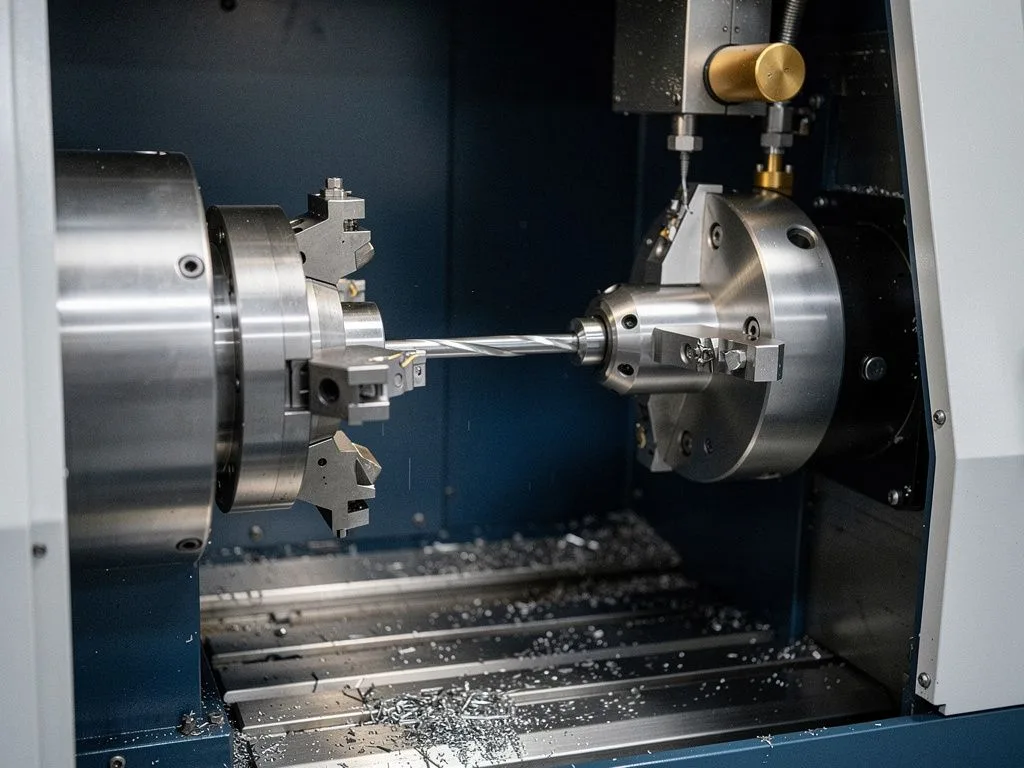
Star CNC Automatic Lathes (Switzerland · 13 Units) · Five-Axis Machining
Swiss-type automatic lathes imported from Switzerland, also handling five-axis machining requirements. The guide bushing supports the workpiece near the cutting point, preventing chatter in slender shaft parts with high length-to-diameter ratios during cutting, thereby stabilizing roundness and surface roughness.
Typical applicable part types include small precision parts for medical devices, electronic connectors, and small-diameter precision threaded parts. With continuous bar feeding, the cycle time advantage in mass-producing slender shafts is directly reflected in the unit cost.
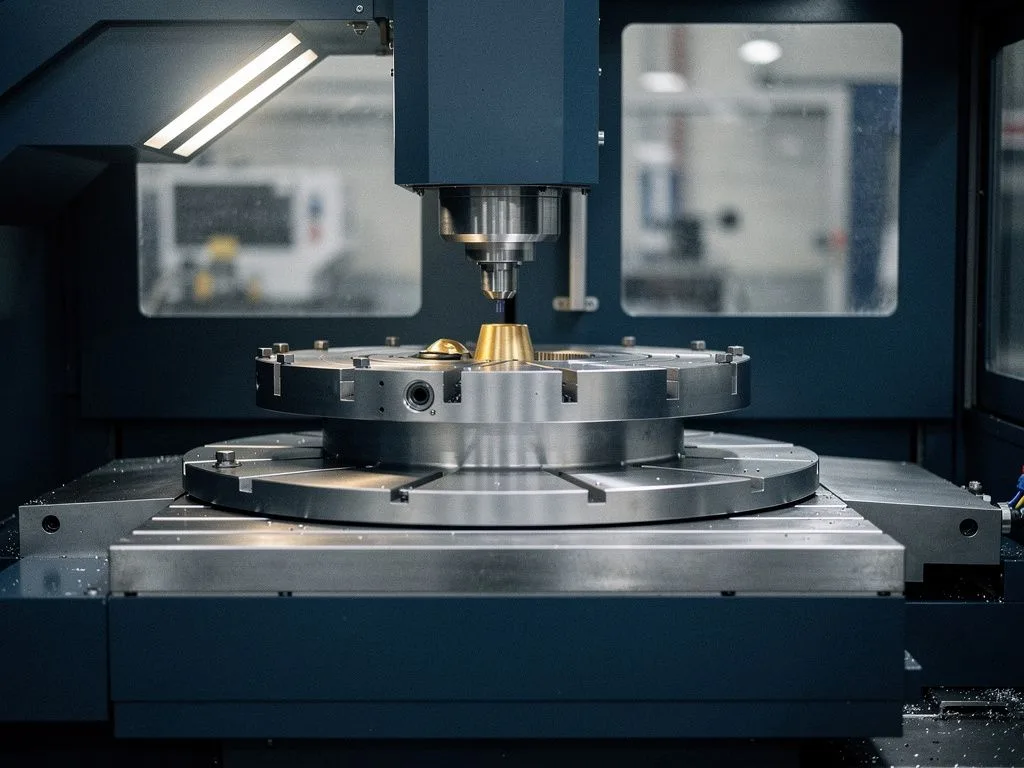
CNC Milling Machine Group (8 Units)
Responsible for machining operations on flat surfaces, grooves, hole patterns, and mold-type geometries, complementing the turning equipment. For part types dominated by flat features with fewer rotational features, the milling machine group is often the most cost-effective choice.
On the programming side, tool paths are written using UG CAD/CAM and ESPRIT CAM, and complex geometries are simulated before machining to reduce trial-cutting costs and the risk of machine collisions.