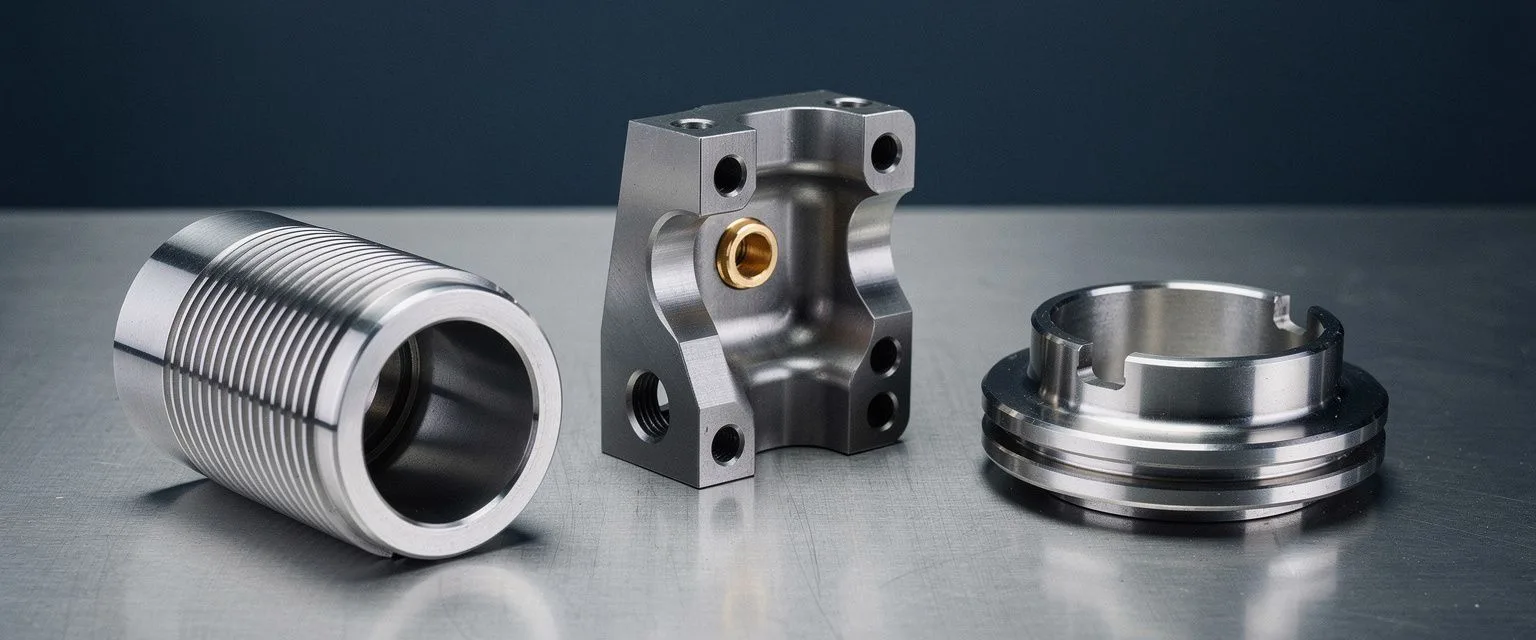
Case Studies
Not Success Stories, but Decision-Making Processes
The value of a case study lies not in "what we have done," but in whether a buyer can judge from it "how this manufacturer would think when faced with my problem." Therefore, all Yuan Shan Li case studies are presented in three sections—Challenge, Approach, and Result—and explain why a particular process was chosen, how tolerances were negotiated, and whether any detours were taken.
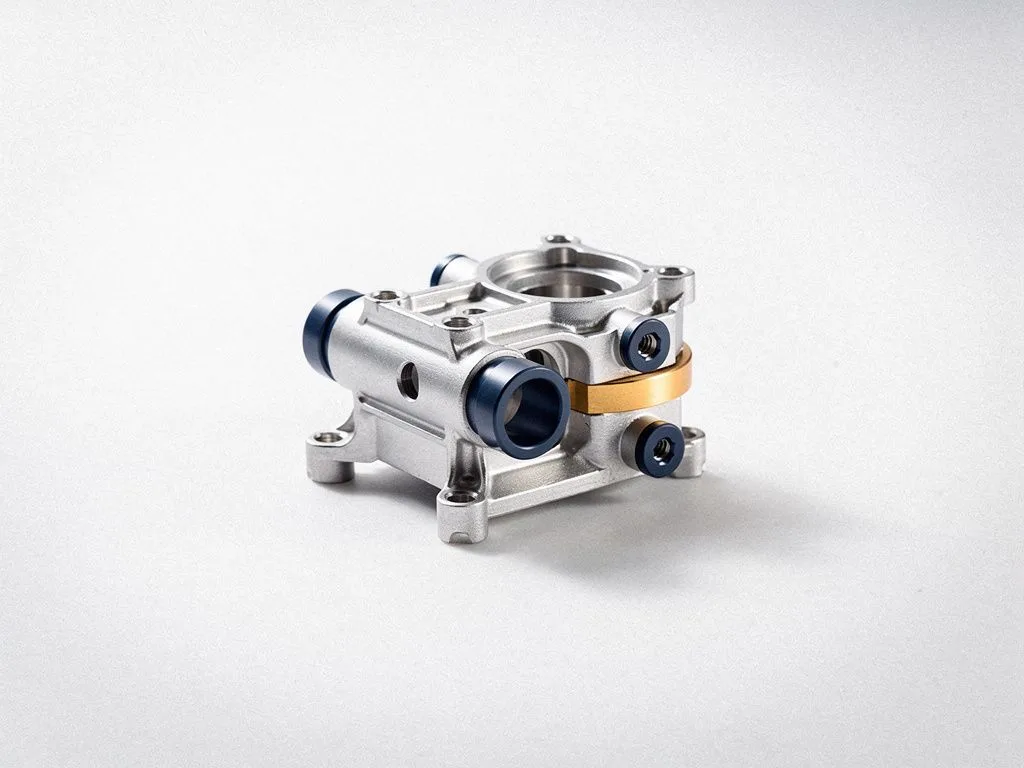
Case Study 1: Small Precision Medical Components (In Preparation)
This case presents: how chatter issues in slender shaft parts were resolved through equipment selection (Swiss-type lathe) and clamping methods, how tolerance bands were renegotiated with the client, and how inspection criteria were established during mass production.
The three sections—Challenge/Approach/Result—will be added after the interview with the company owner.
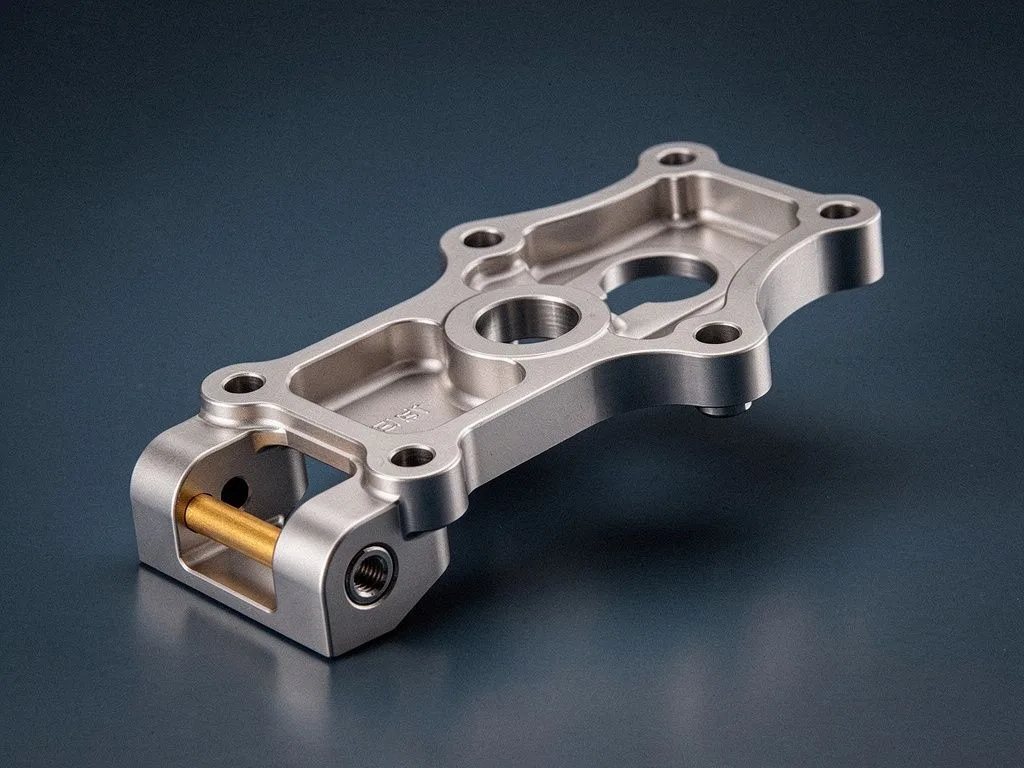
Case Study 2: Automotive Bracket Components (In Preparation)
This case presents: the cost trade-off between single-setup machining and multi-station processing for multi-feature parts, how positional tolerance requirements influence process selection, and the amortization logic when batch sizes change.
The three sections—Challenge/Approach/Result—will be added after the interview with the company owner.
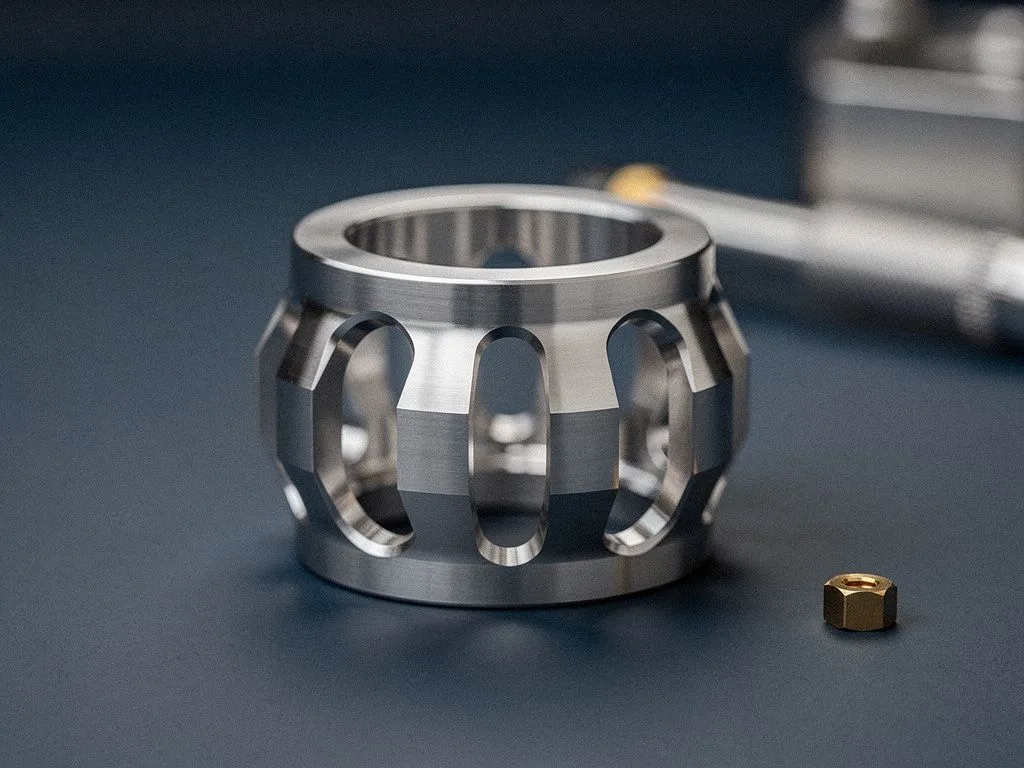
Case 3: Semiconductor Peripheral Components (In Preparation)
To be presented: how surface quality and cleanliness requirements are reflected in machining parameters and post-processing, how inspection items are agreed upon, and the relationship between material selection and lead time.
The three-part content of Challenge/Approach/Result will be added after interviewing the client.