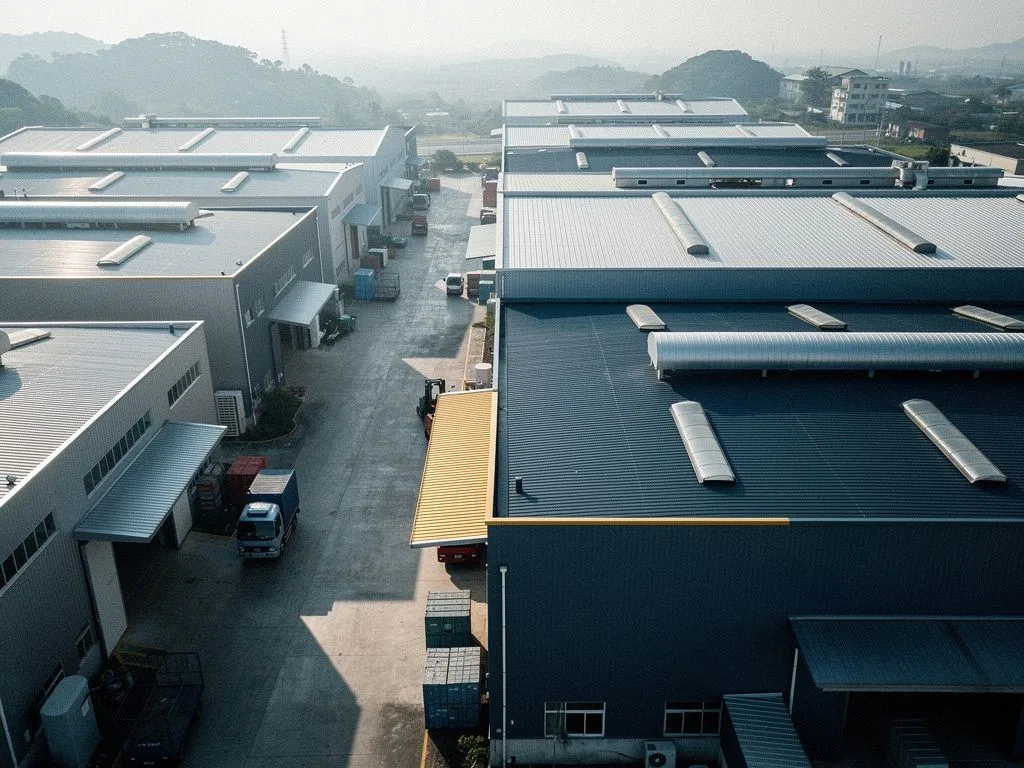
How do surface treatment and heat treatment plants in the Taichung cluster divide their work?

The Taichung precision machining cluster can complete surface treatment and heat treatment within a short distance, relying on the long-term division of labor among surrounding subcontractors. Machining plants typically do not have in-house anodizing, coating, or carburizing and quenching processes. Instead, they send finished parts to nearby surface treatment or heat treatment plants, then return them to the machining plant for final inspection and packaging. This structure of "machining as the core, with processes outsourced" allows CNC shops to focus on precision and delivery, and buyers can arrange multiple process stages within the same day. For buyers, what matters is confirming whether the machining plant has the capability to dispatch work and track progress, rather than requiring them to set up their own plating tanks. When a machining plant can clearly explain its subcontractor list, process sequence, and inspection responsibilities, delivery schedules and quality disputes are minimized.

Key Takeaways

  • Machining-First, Outsourced Processes

    The Taichung precision machining cluster is primarily composed of machining shops, with surface treatment and heat treatment outsourced to nearby partner factories, allowing CNC shops to focus on precision and lead times.

  • Process Sequence Affects Quality

    Heat treatment is typically scheduled after rough machining and before finishing, while surface treatment should be selected based on material and end-use to avoid dimensional tolerance or adhesion issues.

  • Inspection Responsibility Lies with the Machining Shop

    Surface treatment and heat treatment are performed by partner factories, but the final inspection responsibility remains with the machining shop, which must coordinate incoming, in-process, and pre-shipment inspections.

  • Complete RFQ Information Aids Quoting

    Buyers should provide material grades, heat treatment hardness, surface treatment type, batch size, and end-use industry so that machining shops can quote accurately and reserve finishing allowances.

What are the common surface treatment processes, and which materials are they suitable for?

For aluminum alloy parts, the most common treatment is anodizing, including hard anodizing and black dyeing, which improve wear and corrosion resistance. Stainless steel and carbon steel often use zinc plating, nickel plating, or blackening, depending on the service environment. Brass and copper are usually only polished or given an anti-rust coating to avoid changing their electrical conductivity. When requesting a quote, buyers should first specify the end use of the part—such as outdoor, medical, food machinery, or electronic heat dissipation—and then let the machining plant recommend the appropriate surface treatment. If the wrong process is selected for a part, it may lead to dimensional tolerance issues or poor adhesion, and such problems often only surface after shipment. It is recommended that buyers request a comparison table of dimensions before and after surface treatment, and for first article approval, ask for samples of salt spray test or coating thickness reports.

taichung cluster scene 1

How does heat treatment affect subsequent machining, and how should buyers arrange the sequence?

Heat treatment is usually scheduled after rough machining and before finishing, to relieve stress and increase hardness. Carburizing and quenching are commonly used for carbon steel to harden the surface while keeping the core tough; stainless steel often uses solution annealing or aging treatment to restore corrosion resistance. If buyers place heat treatment at the end, parts may deform and fail to achieve final precision; if placed at the beginning, excessive hardness may accelerate tool wear. It is recommended to clearly mark the heat treatment location and hardness range on the drawing, for example, HRC from X to Y, and ask the machining plant to leave a finishing allowance after heat treatment. Machining plants like Yuan Shun Li, which have CNC turning-milling combined and Swiss-type sliding headstock machines, can perform final finishing directly after heat treatment returns, shortening overall lead time.
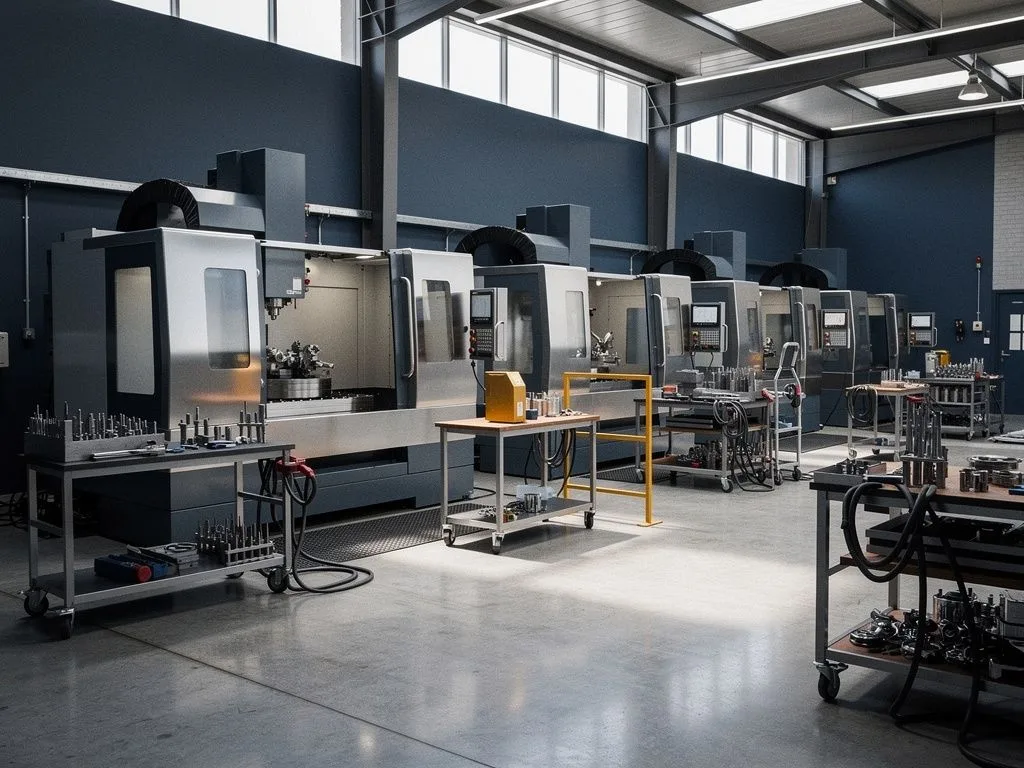
How are inspection responsibilities divided between surface treatment and heat treatment?

Surface treatment and heat treatment are usually performed by subcontractors, but the final inspection responsibility remains with the machining plant. Incoming inspection verifies material certificates and specifications, in-process inspection covers machining dimensions and surface roughness, and final pre-shipment inspection compares all annotations on the drawing. For buyers, they should require the machining plant to provide a complete inspection process description and specify in the contract that any process changes by subcontractors must be notified in advance. When a machining plant can present an ISO 9001:2015 quality system (certificate details available on request), it indicates that it has a certain system for evaluating and tracing subcontractors. If buyers have concerns about a specific process, they can request the machining plant to arrange random sampling for third-party inspection, which is a common practice to reduce quality risk.

Taichung Precision Machining Collaboration Process

  1. 1

    Machining Shop Completes Rough Machining

    CNC shops focus on precision and lead times, first completing rough machining of parts and reserving allowances for subsequent heat treatment and finishing.

  2. 2

    Outsource Heat Treatment Process

    Parts are sent to a nearby heat treatment facility for processes such as carburizing and quenching or solution treatment, to relieve stress and increase hardness.

  3. 3

    Finish Machining After Return

    After heat treatment returns, the machining shop performs final finishing to ensure dimensions and surface roughness meet drawing requirements.

  4. 4

    Outsource Surface Treatment

    Based on material and end-use, surface treatments such as anodizing, zinc plating, or blackening are selected to improve wear and corrosion resistance.

  5. 5

    Final Inspection and Packaging

    The machining shop coordinates the final pre-shipment inspection, compares all drawing annotations, and packages for shipment after confirming quality.

taichung cluster scene 2

What information should buyers provide when requesting a quote so that machining suppliers can quote accurately?

If only a 3D drawing is provided when requesting a quote, machining suppliers can often only quote for machining costs, which may not cover surface treatment and heat treatment. Buyers are advised to also provide: material grade (e.g., AISI 304, 6061-T6), heat treatment hardness requirements, type of surface treatment and coating thickness requirements, batch size and lead time, and the end-use industry. This information allows the supplier to determine whether outsourcing is needed, estimate subcontractor lead times, and reserve finishing allowances. When a part involves multiple process steps, suppliers typically provide itemized quotes, and buyers can request that machining costs and surface treatment costs be listed separately for easier comparison. A supplier like Yuan Shun Li, with complete machining capabilities, can respond with an overall lead time that includes subcontractor scheduling shortly after receiving complete inquiry information.

Why is the Taichung cluster particularly suitable for parts requiring multi-step processes?

In the Taichung precision machinery cluster, from CNC machining to surface treatment and heat treatment, the travel time between subcontractors is mostly within half an hour—an advantage that is difficult to replicate in other regions. When a part requires multiple stages such as machining, anodizing, assembly, and final inspection, short-distance logistics can significantly reduce the handling risk and time cost of work-in-progress. For buyers, this means more controllable lead times and more complete quality traceability. Especially during the prototyping stage when design changes are needed quickly, the nearby subcontractor network can support same-day turnaround. Yuan Shun Li is located in Tanzi District, Taichung, near the precision machinery industry cluster and science parks. It has in-house capabilities in CNC turning, milling, mill-turn, and Swiss-type lathe machining, and maintains long-term partnerships with surrounding surface treatment and heat treatment suppliers, providing end-to-end support from prototyping to mass production for OEM parts supply, Tier-1 suppliers, and prototyping development teams.

Six key points for buyers to check when evaluating a Taichung machining supplier's subcontractor network

  • Subcontractor list and division of work

    The machining supplier should be able to list its main surface treatment and heat treatment subcontractors and explain each one's process scope. This is the basis for assessing dispatch capability.

  • Process sequence and allowance planning

    Heat treatment and surface treatment should be arranged at the correct machining stages, with finishing allowances reserved to avoid dimensional deviations or deformation.

  • Inspection process and responsibility assignment

    Incoming, in-process, and pre-shipment inspections should be coordinated by the machining supplier. Subcontractors must notify in advance of any process changes—this is key to quality traceability.

  • Material-to-process recommendations

    Aluminum alloys, stainless steel, carbon steel, brass, and copper each have suitable surface treatment methods. The machining supplier should provide recommendations based on the end-use application.

  • Itemized lead times and subcontractor scheduling

    Quotes should separate machining costs from subcontractor costs and provide an overall lead time estimate, allowing buyers to assess schedule risks.

  • ISO 9001:2015 quality system

    The machining supplier should have an effective quality management system. Certificate numbers and validity periods should be confirmed against actual specifications, representing the supplier's evaluation system for subcontractors.

How does the role of the subcontractor network differ between the prototyping stage and the mass production stage?

During the prototyping stage, part quantities are small and modifications are frequent. Subcontractors typically cooperate on a small-batch, rush-order basis, and the machining supplier needs to quickly confirm the feasibility of surface treatment and heat treatment and report results within a short time. In the mass production stage, subcontractors are required to have stable capacity and consistent quality. The machining supplier will sign annual contracts with a few long-term partners and conduct regular audits. For buyers, the focus during prototyping should be on the supplier's responsiveness and problem-feedback capability, while in mass production, buyers should require the supplier to provide subcontractor capacity evidence and quality history records. Yuan Shun Li's ability to support from prototyping to mass production means that buyers can establish a fixed subcontractor network early in product development, avoiding the need to switch suppliers during mass production and re-validate quality.

FAQ

What information should be provided when requesting a quote to get an accurate price?

You should provide material grades (e.g., AISI 304, 6061-T6), heat treatment hardness requirements, surface treatment type and coating thickness requirements, batch size and lead time, as well as the end-use industry. This information allows the machining shop to determine whether outsourcing is needed, estimate partner factory lead times, and reserve finishing allowances.

At which stage of the machining process should heat treatment be scheduled?

Heat treatment is typically scheduled after rough machining and before finishing, to relieve stress and increase hardness. If placed at the end, parts may deform and fail to achieve final precision; if placed at the very beginning, excessive hardness may accelerate tool wear.

Who is responsible for inspection of surface treatment and heat treatment?

Surface treatment and heat treatment are usually performed by partner factories, but the final inspection responsibility remains with the machining shop. The machining shop must coordinate incoming inspection, in-process checks, and final pre-shipment inspection, and specify in the contract that partner factories must notify in advance of any process changes.

Which surface treatment is most suitable for aluminum alloy parts?

The most common surface treatment for aluminum alloy parts is anodizing, including hard anodizing and black dyeing, which improves wear and corrosion resistance. Buyers should first specify the end-use of the part, then let the machining shop recommend the appropriate surface treatment, and request a dimensional comparison table before and after treatment.

What advantages does the Taichung cluster offer for multi-stage process parts?

In the Taichung precision machinery cluster, from CNC machining to surface treatment and heat treatment, the driving time between partner factories is mostly within half an hour, which significantly reduces the risk of work-in-process damage and time costs, making lead times more controllable and quality traceability more complete.

Looking for parts that combine machining and surface finishing?

Share your complete drawings, materials, and process requirements, and let Yuan Shunli plan the overall lead time and subcontractor scheduling from CNC machining to surface finishing for you.