
How the Cost Structures of 5-Axis and 3-Axis Machining Differ
The machining cost difference between 5-axis and 3-axis mainly comes from four aspects: machine depreciation and programming time, fixture design complexity, per-part machining time, and downstream inspection and rework rates. For simple geometries, high volumes, and parts that can be completed in one or two setups, 3-axis machining still offers a clear unit-price advantage. The cost premium of 5-axis machining reflects scenarios involving multi-face machining, complex curved surfaces, and reduced secondary setups. Deciding which to use must be based on part geometry, batch size, and tolerance requirements, not simply on the number of axes.
Which Part Types Can Actually Lower Total Cost with 5-Axis
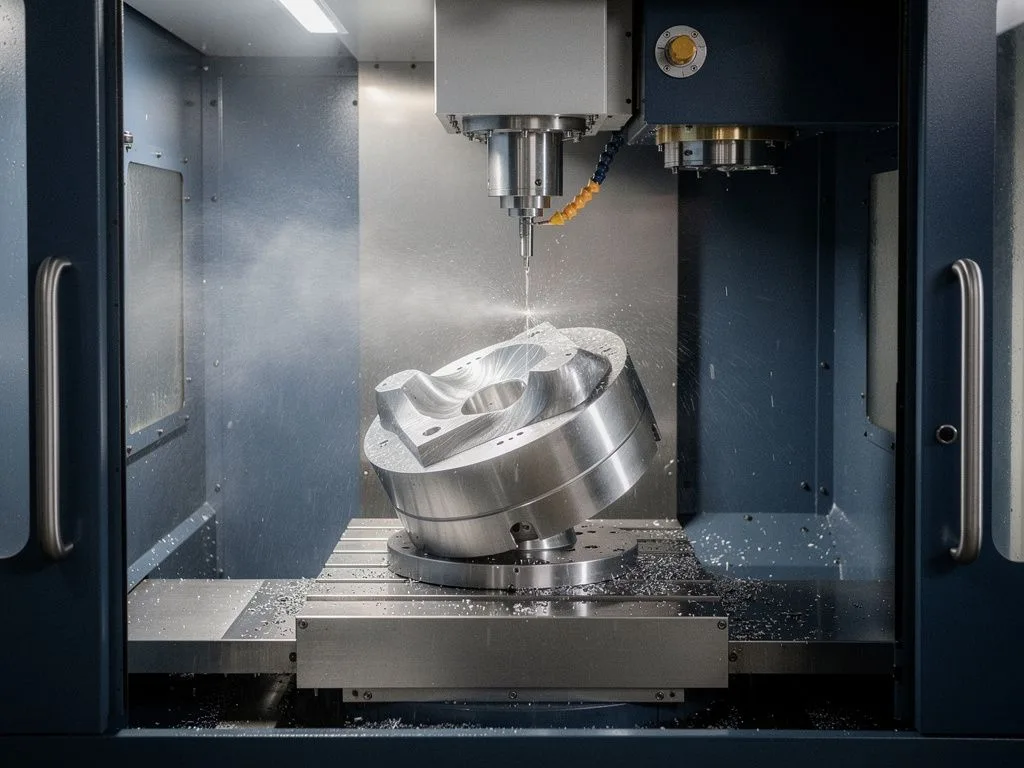
When parts require machining from multiple directions, contain free-form surfaces, or have tolerances spanning multiple faces, 5-axis machining can lower total cost. Typical scenarios include angled holes and contoured profiles in aerospace structural parts, irregular flow channels in medical devices, multi-face threaded holes and chamfers in precision machinery, and thin or long parts that need a single setup to avoid secondary positioning errors. In these cases, 3-axis machining often requires multiple flip setups, each adding positioning error and inspection time. 5-axis completes the part in one setup—although machine time is longer, the overall process is shorter and rework rates drop. Buyers can ask suppliers to provide a comparative quote between a multi-setup 3-axis approach and a single-setup 5-axis approach as a basis for decision-making.
How Does the Cost Logic of Swiss-Type Lathes Differ from That of Mill-Turn Centers
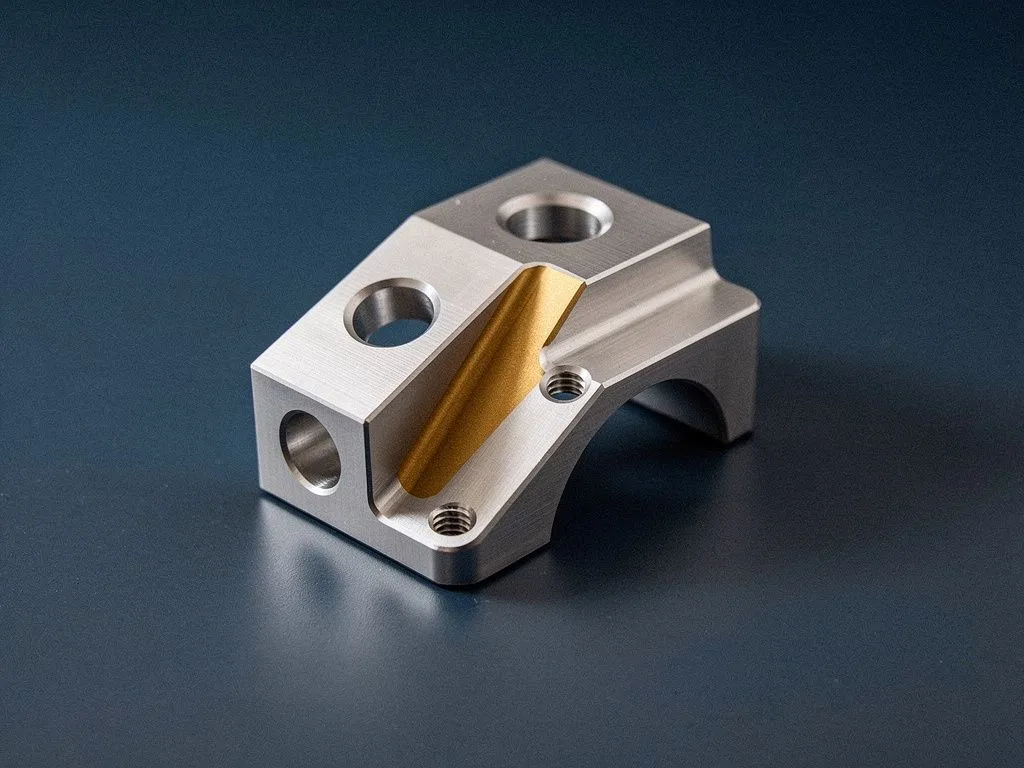
The cost structure of Swiss-type lathes and mill-turn centers is not exactly the same as that of 3-axis/5-axis milling. Swiss-type lathes are suitable for long, small-diameter parts and precision components with a high length-to-diameter ratio, such as medical bone screws, electronic connectors, and precision shaft-type parts. Their cost advantage comes from continuous machining with a single bar feed, which offers high material utilization and is ideal for mass production. Mill-turn centers combine turning and milling functions, allowing outer diameter, inner diameter, end face, and side machining to be completed on the same machine. They are suitable for parts that require multiple operations but are still primarily rotational bodies. If buyers are sourcing shaft-type parts, they should prioritize evaluating the costs of Swiss-type lathes and mill-turn centers rather than directly applying the quoting logic of milling machines.