
What is the difference between simultaneous 5-axis and indexed 5-axis machining?
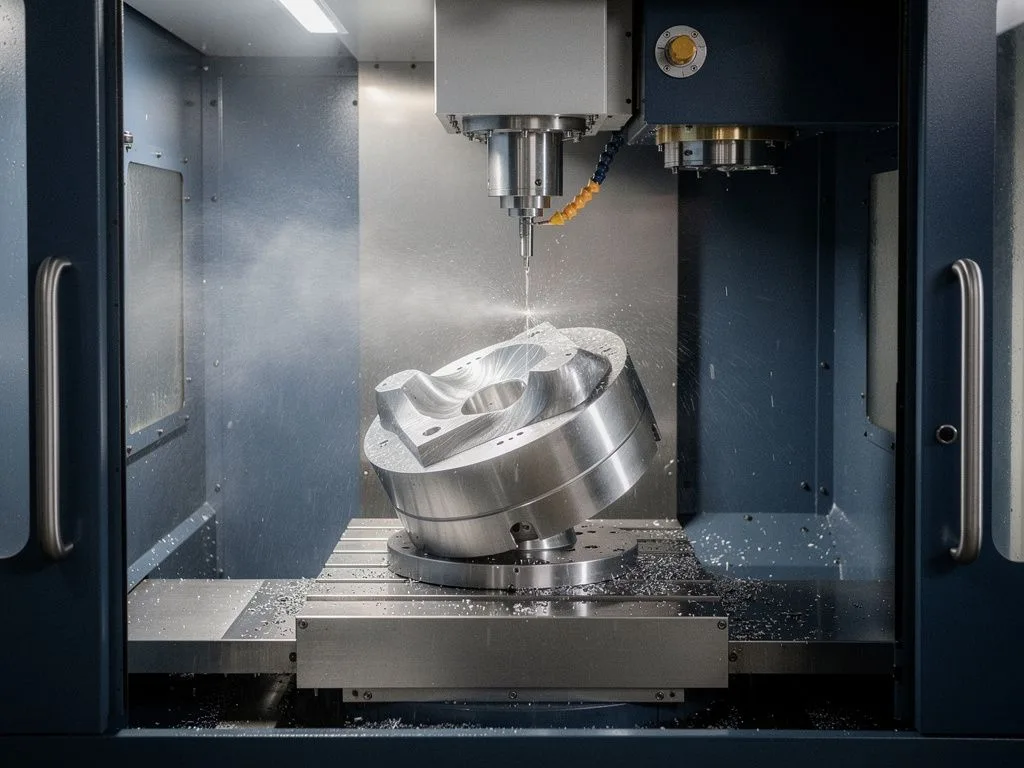
The difference between simultaneous 5-axis and indexed 5-axis machining lies in whether the tool continuously cuts along multiple axes in a single setup. Simultaneous 5-axis machining (5-axis simultaneous machining) allows the tool and workpiece to rotate continuously on the A or B axis in addition to X, Y, and Z, enabling curved surfaces, angled holes, and irregular contours to be completed in one setup. Indexed 5-axis machining (5-axis indexed / 3+2 machining) primarily uses 3-axis cutting, with the 5-axis function used only for positioning, after which machining is performed at fixed angles in separate steps. The equipment, programming complexity, and per-piece machining time differ significantly between the two, and the quotation structures also differ. Buyers must clarify which method suits their parts before requesting a quote.
What are the differences in accuracy and cost between the two methods?
The differences in accuracy and cost between simultaneous 5-axis and indexed 5-axis machining mainly come from the number of setups, tool posture, and programming complexity. Simultaneous 5-axis can complete all features in one setup, so there is no cumulative error from re-positioning, and theoretical accuracy is higher. However, tool paths are complex, cutting parameters must be dynamically adjusted based on the material, and high demands are placed on machine rigidity and CAM expertise, resulting in longer machining time and higher quotes. Indexed 5-axis, although it involves step-by-step rotation, uses 3-axis cutting after each positioning, so tool load is stable and vibration is low. In practice, its accuracy often meets the needs of most industrial parts, and per-piece cost is lower. Buyers should weigh accuracy requirements against cost budgets rather than assuming simultaneous 5-axis is always better.
What information should I provide when requesting a quote to avoid choosing the wrong option?
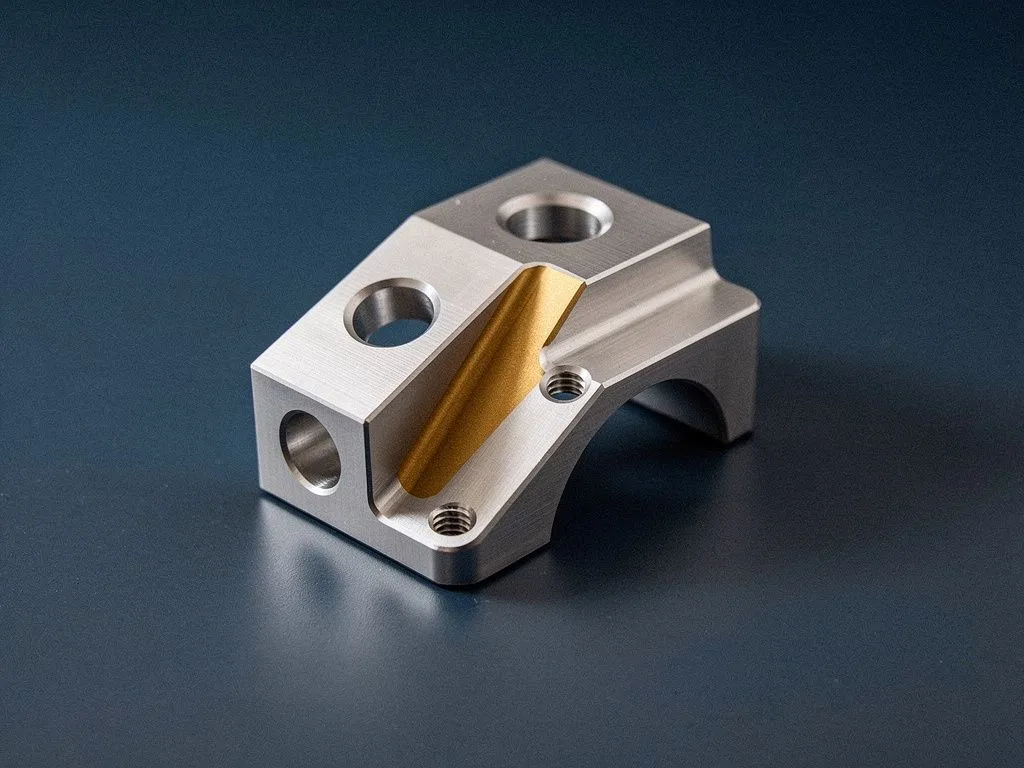
If a buyer only sends a 3D drawing when requesting a quote, the machining shop often chooses a conservative approach based on experience, which can lead to higher quotes or unsuitable machining methods. It is recommended to provide at least four pieces of information: first, a 3D drawing file (STEP or IGES is preferred); second, the material grade and condition (e.g., 6061-T6 or SUS304); third, critical tolerances and geometric tolerance annotations; and fourth, estimated batch size and lead time. Additionally, noting which features must be completed in a single setup and which can be machined in separate operations can help the machining shop determine whether to use simultaneous five-axis or 3+2 five-axis. After receiving the drawings, Yuan Shun Li will recommend the appropriate machining method and equipment combination based on geometric features and precision requirements, so buyers do not pay for capabilities they do not need.