
The Batch Size Threshold for Five-Axis Machining: How Many Parts Make It Cost-Effective?
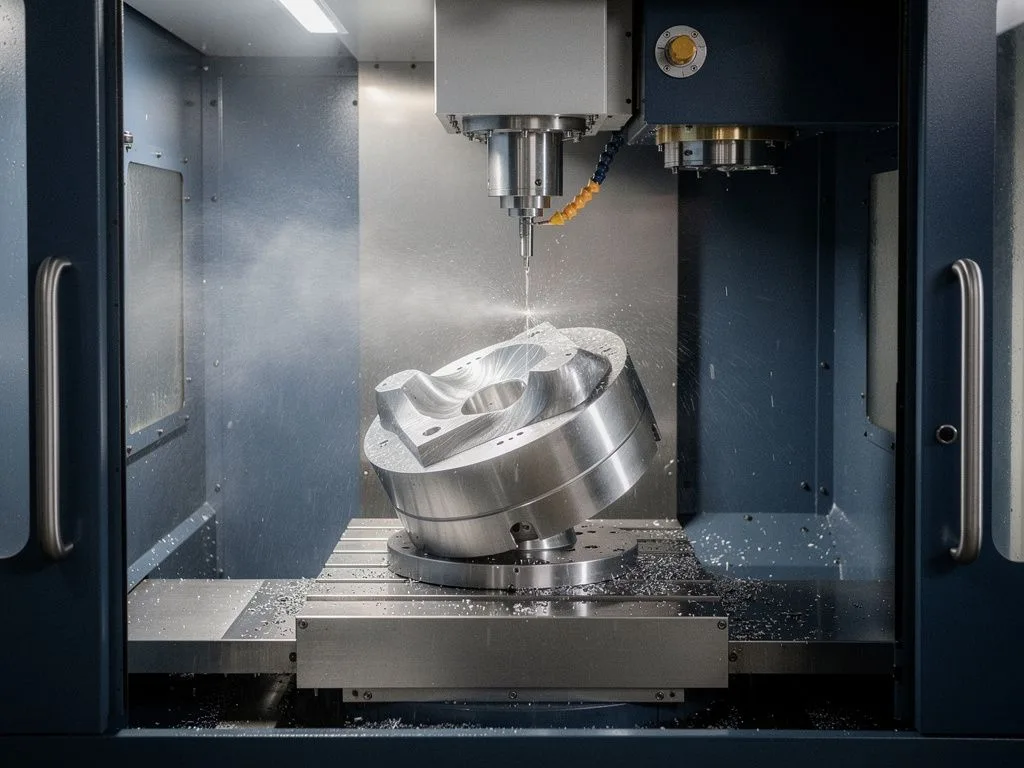
There is no single number that determines whether five-axis machining is cost-effective; it depends on the combination of part geometry, batch size, and fixture costs. Five-axis machining becomes economical only when a part requires multiple features to be machined in a single setup and the order quantity is sufficient to absorb the higher programming and fixture costs. Conversely, when the part count is low and the geometry allows for multiple setups, three-axis machining with a rotary fixture is often more economical. The starting point for the decision is not "how many parts," but "does this part truly require all five axes to be positioned simultaneously."
When Is Three-Axis Plus a Rotary Fixture More Cost-Effective Than Five-Axis?
Buyers need to know: which scenarios actually do not require five-axis machining? When a part has only two or three main machining surfaces, and the angles between surfaces are standard configurations of 90 degrees or 180 degrees, three-axis machining with a rotary fixture can complete the job, with short changeover times and simple programming. Forcing such parts onto a five-axis machine would actually increase the per-part cost, because five-axis machines have higher hourly rates and programming is more time-consuming. Another common misjudgment is "complex geometry but extremely small batch size," such as development parts under 5 pieces. In this case, fixture costs cannot be amortized, and the advantages of five-axis disappear. In practice, Yuan Shun Li would recommend completing such orders with three-axis machining first, and explain during the quoting stage that the upgrade to five-axis can be evaluated for subsequent mass production, to avoid buyers paying for machining capabilities they do not need.
Do material and tolerance requirements change the batch threshold?
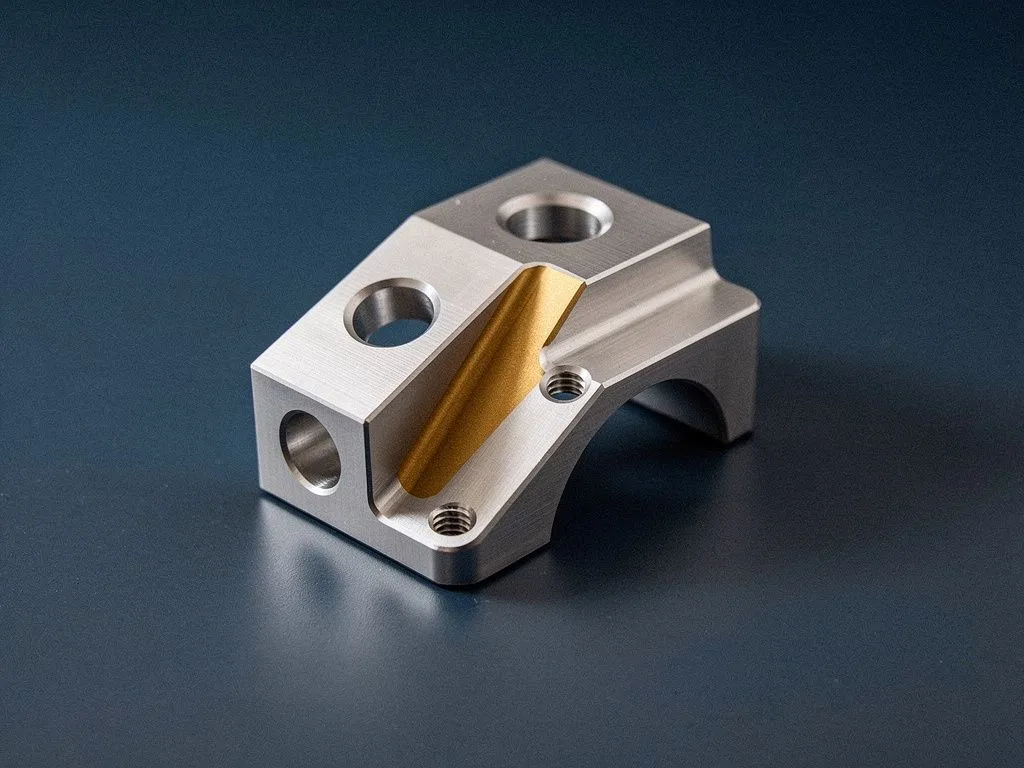
What buyers often overlook is that material hardness and tolerance levels directly affect the economic batch size for five-axis machining. Stainless steel and carbon steel take longer to cut than aluminum alloy, which amplifies the disadvantage of the higher hourly rate of five-axis machines; for such materials, if the quantity is small, three-axis is more cost-effective. In contrast, because aluminum alloy has high cutting efficiency, the gap in per-piece machining time between five-axis and three-axis narrows, lowering the batch threshold. Regarding tolerances, if the part requires precision below ±0.01 mm and involves multi-surface features, the yield of five-axis one-shot molding is significantly higher than three-axis with multiple setups. In this case, even if the quantity is small, five-axis remains a reasonable choice. When evaluating, Yuan Shun Li considers both material and tolerance to prevent buyers from misjudging due to a single variable and choosing the wrong process.