
Swiss-Type Lathe vs. Conventional Lathe: Choose by Length-to-Diameter Ratio and Part Geometry
The choice between a Swiss-type lathe and a conventional lathe hinges on the part's length-to-diameter (L/D) ratio and geometric shape. Swiss-type lathes use a guide bushing and synchronized bar feeder to hold slender parts, making them ideal for precision shafts with a high L/D ratio and small diameter. Conventional lathes, supported by a tailstock, are better suited for short, stout parts, large-diameter discs, or one-off prototypes. Yuan Shun Li is equipped with both Star Swiss-type lathes and TAKISAWA multi-tasking turning centers. Once buyers provide drawings, we can determine which process is more appropriate based on part geometry, helping you avoid selecting the wrong machine type that could lead to insufficient precision or uncontrolled per-part costs.
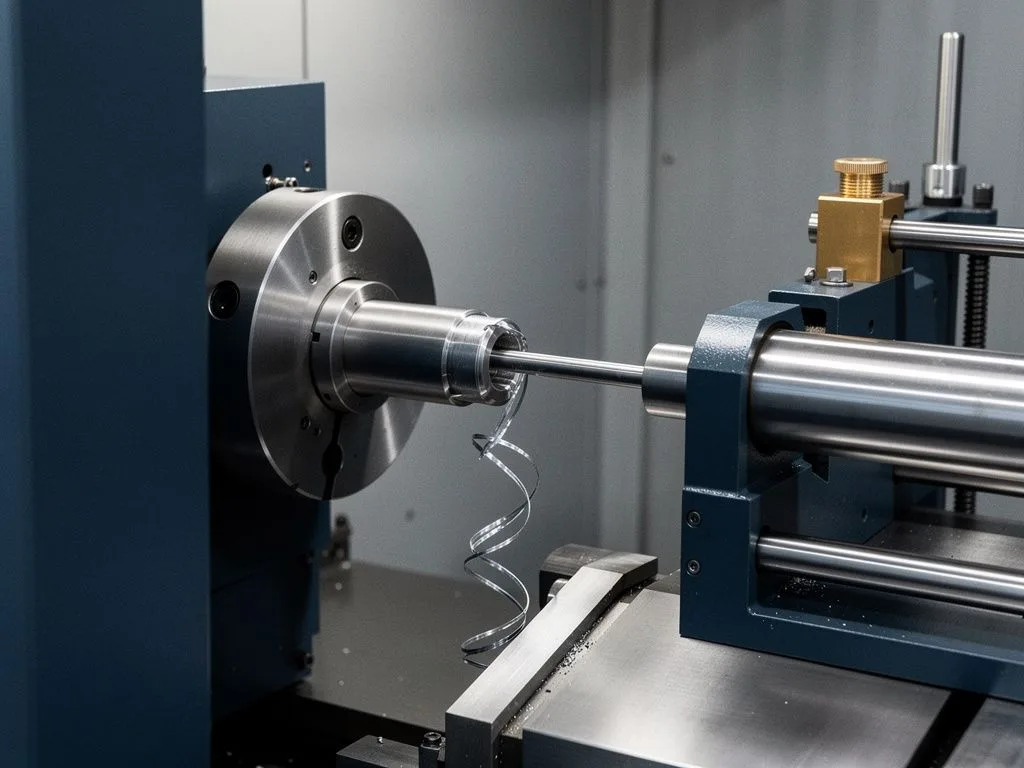
How does synchronized bar feeding on a Swiss-type lathe affect mass-production cycle time and per-part cost?
How does synchronized bar feeding on a Swiss-type lathe affect mass-production cycle time and per-part cost? The answer is that feeding and cutting run simultaneously, greatly reducing idle travel time. On a conventional lathe, machining long parts requires the spindle to repeatedly start and stop for each workpiece—from clamping, cutting, to cut-off. A Swiss-type lathe, by contrast, feeds the bar stock continuously through the guide bushing with a collet, so the spindle barely stops. This continuous feeding design means that when mass-producing slender shafts, the per-part time on a Swiss-type lathe is often only 30% to 50% of that on a conventional lathe. For OEM buyers, once orders enter stable mass production, the cycle-time advantage of Swiss-type lathes directly translates into lower per-part cost and more reliable delivery. Yuan Shun Li uses Star Swiss-type lathes paired with BROTHER milling equipment, allowing turning, milling, and drilling to be completed in a single process, reducing errors and rework costs caused by secondary clamping. Buyers who are transitioning from prototyping to mass production should discuss Swiss-type lathe capacity allocation with their supplier in advance to avoid being forced to switch factories during later expansion.
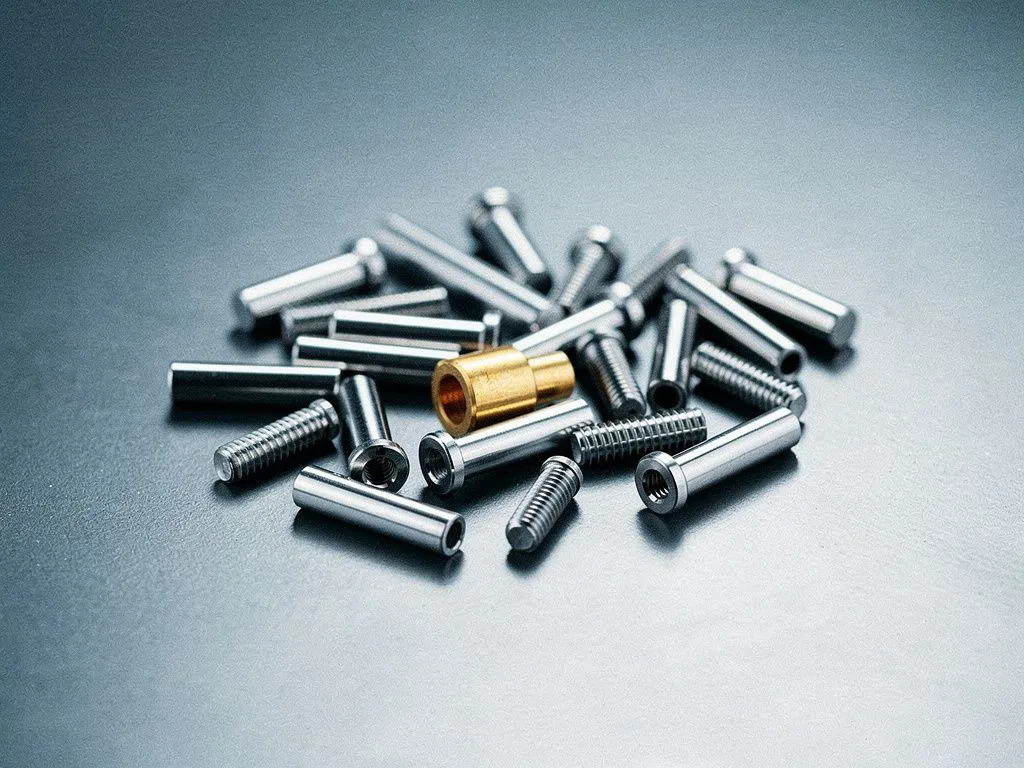
At what point should machine selection be re-evaluated when moving from prototyping to mass production?
At what point should machine selection be re-evaluated when moving from prototyping to mass production? The answer is when any of the following changes: order volume, precision requirements, or post-processing operations. During the prototyping stage, a conventional lathe offers the most flexibility and lower per-part cost for quickly verifying geometry and dimensions. But when orders reach several thousand pieces per month and tolerances tighten to the ±0.01mm level, the mass-production cycle time and precision stability of a Swiss-type lathe become critical. Another re-evaluation point is when post-processing increases—for example, a part that originally only required turning later needs milling slots, drilling, and tapping. In that case, a turn-mill center or a 5-axis machine is more efficient than a pure Swiss-type lathe. Yuan Shun Li has CNC turning, milling (3-axis to 5-axis), turn-mill, and Swiss-type lathe capabilities, allowing buyers to switch processes at different stages without having to change suppliers due to machine limitations. If buyers can share their production plans for the next 6 to 12 months in advance, the supplier can arrange line configuration accordingly.