
How to Determine Suitable Part Types and Length-to-Diameter Ratios for Swiss-Type Lathes?
Swiss-type lathes are suitable for slender shaft parts with a length-to-diameter ratio greater than 10:1, thin-walled tubes, and small-diameter deep-hole parts. The judgment principle is not based on the total length of the workpiece, but on the ratio of the clamping segment length to the cutting segment diameter. When the workpiece length exceeds 100mm and the diameter is less than 20mm, the rigidity and coaxiality of Swiss-type feeding are typically significantly better than those of conventional lathes. Yuan Shun Li uses Star Swiss-type lathes paired with BROTHER and TAKISAWA multi-tasking machines to handle precision turning of aluminum alloy, stainless steel, carbon steel, brass/copper, and other materials, with evaluation available from prototyping to mass production.
What is the difference between machining stainless steel and aluminum alloy on a Swiss-type lathe?
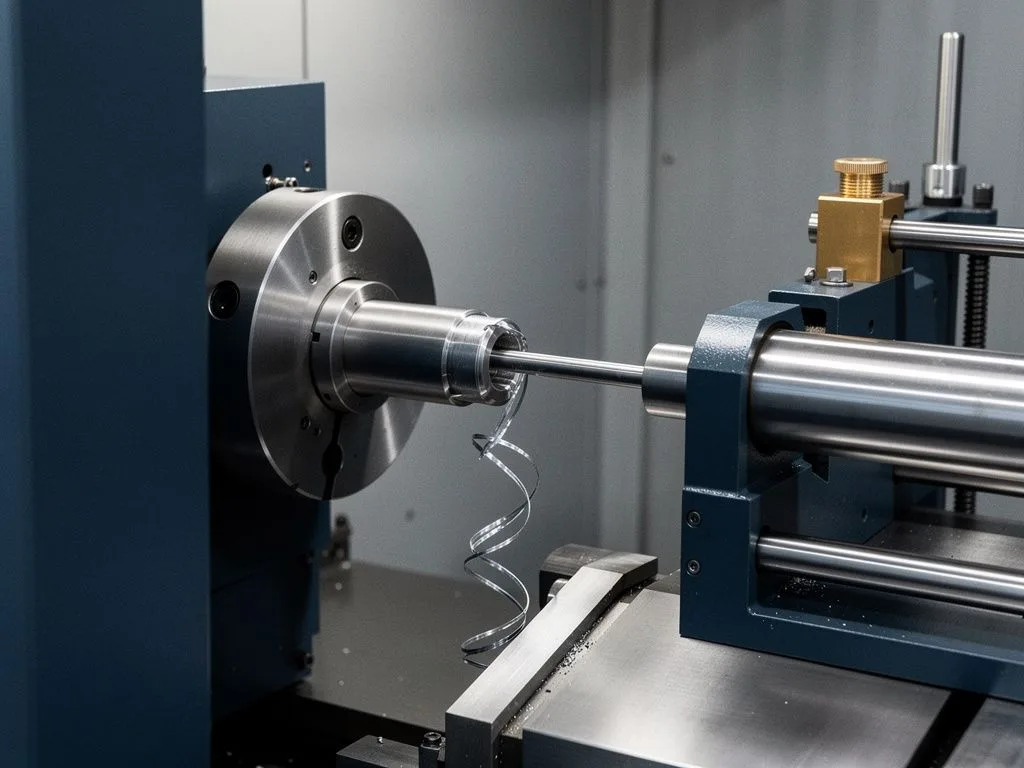
The machining strategies for stainless steel and aluminum alloy on Swiss-type lathes differ significantly, so buyers should provide the material grade at the RFQ stage. Aluminum alloys (such as 6061, 7075) have low cutting resistance and allow larger depths of cut, making the productivity advantage of Swiss-type lathes evident; they are commonly used for heat sinks and aerospace structural parts. Stainless steels (such as SUS303, SUS304) have high cutting resistance and are prone to work hardening, requiring lower cutting speeds and oil-based cutting fluid. The guide bushing support of the Swiss-type lathe is critical here to prevent workpiece torsion and deformation. Brass and copper, due to their high ductility, require attention to chip entanglement and surface scratching; the enclosed machining environment of the Swiss-type lathe helps maintain surface quality. After receiving material information, Yuan Shun Li adjusts cutting parameters and tooling strategies according to the grade, and verifies dimensions and surface condition against customer specifications during in-process inspection.
Why is the unit price of Swiss-type lathe machining higher?
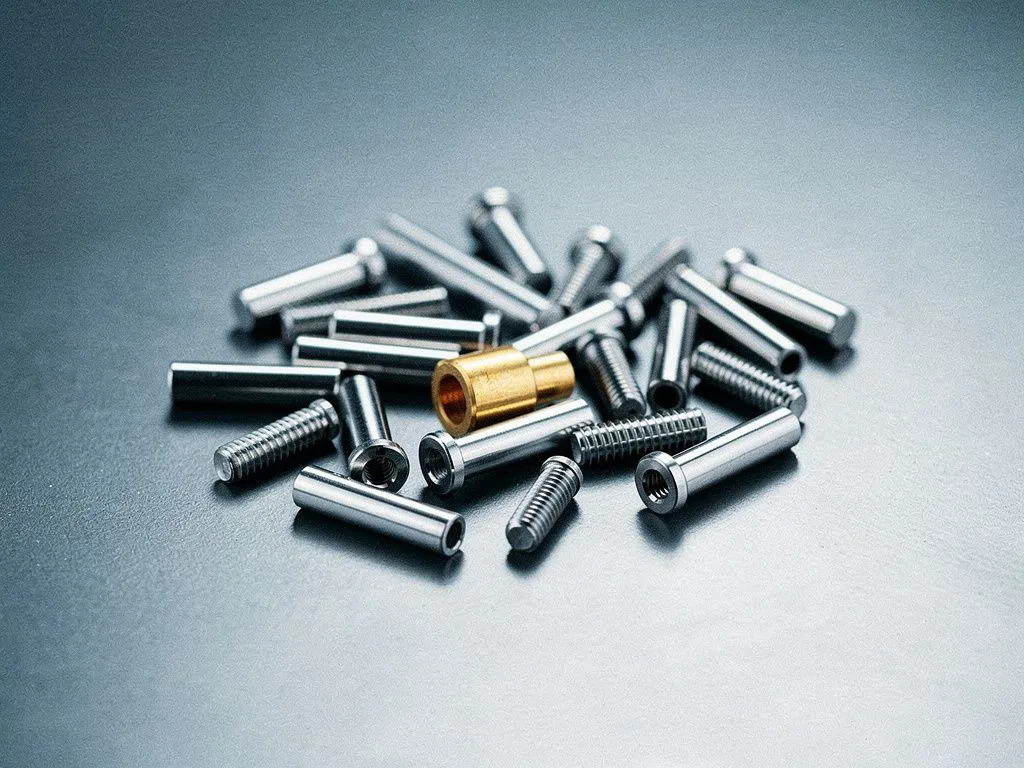
The higher unit price of Swiss-type lathe machining comes from equipment costs, tooling costs, and setup time, not simply the machining rate. Swiss-type lathes such as Star models have unit prices far higher than general CNC lathes, and guide bushings, tooling, and fixtures are often special specifications, making initial investment significantly larger. When batch size is below 50 pieces, setup time accounts for a high proportion of total cost, so per-piece cost is higher; after batch size exceeds 200 pieces, the efficiency advantage of Swiss-type lathes in forming multiple features in one operation becomes apparent. When evaluating quotes, buyers should also compare the total number of machining operations—if a workpiece requires three clamping setups on a conventional lathe but only one on a Swiss-type lathe, the total cost may actually be lower. At the quotation stage, Yuan Shun Li provides a comparison between Swiss-type lathe and general CNC lathe options based on part type and batch size, allowing customers to choose according to their actual needs.