ysl-cnc swiss-turning-5

How to Implement Automation and Unattended Production on Swiss-Type Lathes?

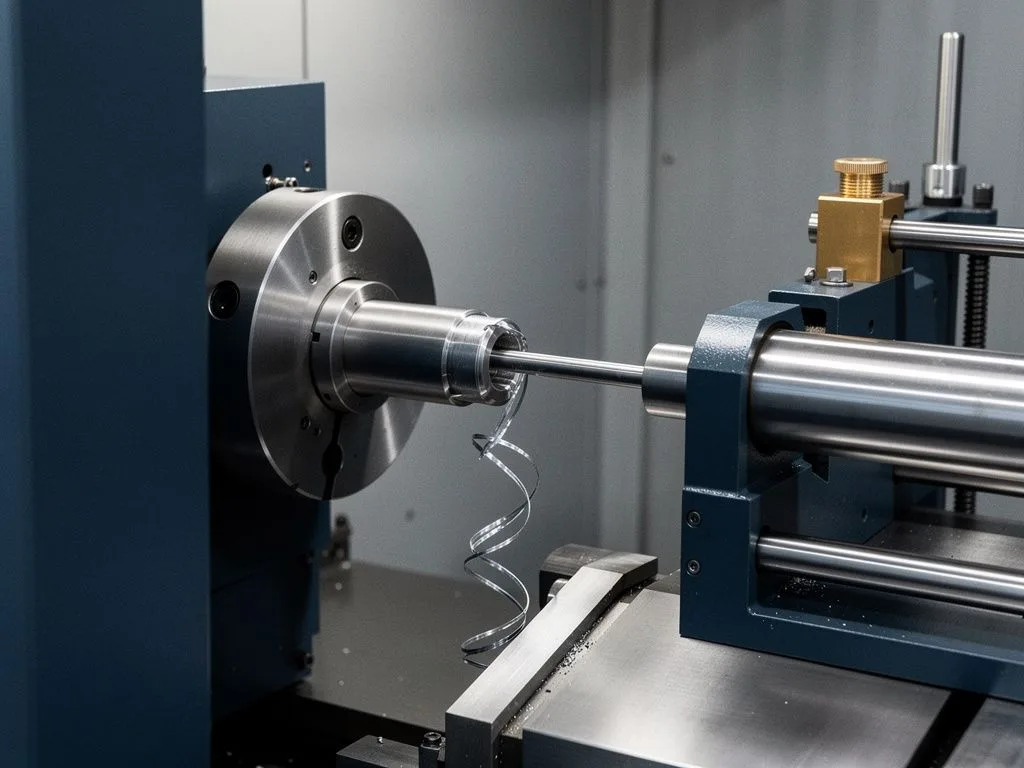
Automation and unattended production on Swiss-type lathes center on integrating the rigidity of the Swiss-type lathe itself, automatic bar feeding, and in-process measurement into one continuous process, allowing a single machine to complete turning and milling of long shaft parts with minimal manual intervention. For buyers, this means the machine can run unattended during night shifts or weekends, but suppliers must still provide actual lighthouse part testing and process capability reports rather than just equipment brochures. Yuan Shun Li's production line in Tanzih, Taichung is equipped with BROTHER and Star Swiss-type lathes, paired with TAKISAWA multi-tasking turning-milling machines, precisely to put this continuous machining capability into practice in OEM and Tier-1 mass production schedules.
Key Takeaways

  • Unmanned Operation Requires Verified Data

    Buyers should request actual dimensional drift data and yield reports from the supplier for continuous runs of over 8 hours on lighthouse parts, rather than relying solely on equipment brochures or marketing claims.

  • Six Configurations Are the Foundation

    An automated production line must include six basic configurations: automatic bar feeding, in-process measurement, tool life monitoring, automatic chip removal, abnormal stop notification, and MES integration.

  • Benefits Are Calculated on Per-Part Cost

    The value of unmanned operation lies in reducing per-part machining cost and defect rate. Buyers should calculate based on data from trial cutting their own part types, not reference the supplier's sample parts.

  • Material Characteristics Determine Success

    Aluminum alloys and brass are most suitable for automation; stainless steel requires tool monitoring and measurement. Buyers must provide material grade and hardness range to confirm parameters.

Why Are Swiss-Type Lathes Suitable for Automation and Unattended Production?

Swiss-type lathes are suitable for automation and unattended production because their guide bushing design keeps the bar stock fully supported throughout the machining area, resulting in stable cutting forces and predictable tool life, giving the machine the physical conditions for long-term stable operation. For buyers, this means they can confidently leave night shifts to the machine, but they should still confirm two things with the supplier: first, the dimensional drift data of actual lighthouse parts over continuous runs of more than 8 hours, and second, the automatic stop and notification mechanism in case of tool breakage or dimensional anomalies. Yuan Shun Li uses Star Swiss-type lathes paired with BROTHER milling machines, where bar stock can be turned, milled, and have secondary hole operations completed on the same machine from feeding to finished part—this is the structural foundation for unattended operation on Swiss-type lathes. If buyers only see marketing terms like "24-hour unattended operation," they must ask to see actual night shift production records and yield reports to determine whether the line truly has the conditions for unattended production.

What Six Basic Configurations Are Needed for an Automated Swiss-Type Lathe Production Line?

  • Automatic Bar Feeding System

    Continuous feeding from the bar rack to the spindle reduces downtime from material changes and is a prerequisite for unattended night shifts; buyers should confirm that the bar diameter range and maximum length cover their own part types.

  • In-Process Measurement and Automatic Compensation

    On-machine measurement probes provide immediate tool compensation feedback after machining to prevent defective parts from being produced; buyers should confirm that the measurement frequency and compensation response time meet their accuracy requirements.

  • Tool Life Monitoring

    Automatically determines tool condition based on cutting time or load, providing early warning or automatic tool change; buyers should confirm whether the monitoring logic is based on time or actual load.

  • Automatic Chip Removal and Coolant Management

    Chip removal and coolant stability directly affect yield during long runs; buyers should confirm coolant life management and chip conveyor specifications.

  • Automatic Stop and Remote Notification on Anomalies

    Automatically stops the machine and sends notifications in case of tool breakage, dimensional out-of-tolerance, or material shortage to avoid scrapping an entire batch; buyers should confirm the notification method and response process.

  • MES or Production Traceability Integration

    Each workpiece can be traced back to the machine, operation time, and inspection data, meeting Tier-1 supply chain audit requirements; buyers should confirm the data format and retention period.

How Much Labor Can Unattended Swiss-Type Lathe Production Save? What Should Buyers Actually Calculate?

Regarding how much labor unattended Swiss-type lathe production can save, what buyers should actually calculate is not "how many people are saved," but "how much the per-part machining cost decreases" and "how much the defect rate decreases." The value of unattended production comes from three aspects: first, night shifts and weekends can be run independently by the machine, reducing shift labor costs; second, in-process measurement catches defective parts at the machine, reducing downstream full inspection and rework costs; third, continuous machining reduces the number of material changes and warm-up cycles, increasing single-machine utilization. For OEM and Tier-1 buyers, these figures can only be verified through trial cutting with their own part types, not just by looking at sample part data provided by the supplier. Yuan Shun Li's integrated capabilities in CNC turning, milling, and turn-mill machining allow long shaft parts to be completed on the same production line. To evaluate actual benefits, buyers are advised to provide 3–5 representative part types and ask the supplier to provide yield and output reports over continuous runs of more than 8 hours under mass production conditions, then convert these into their own per-part costs.

swiss turning scene 1

Which materials are suitable for Swiss-type lathe automated production? Which materials require special caution?

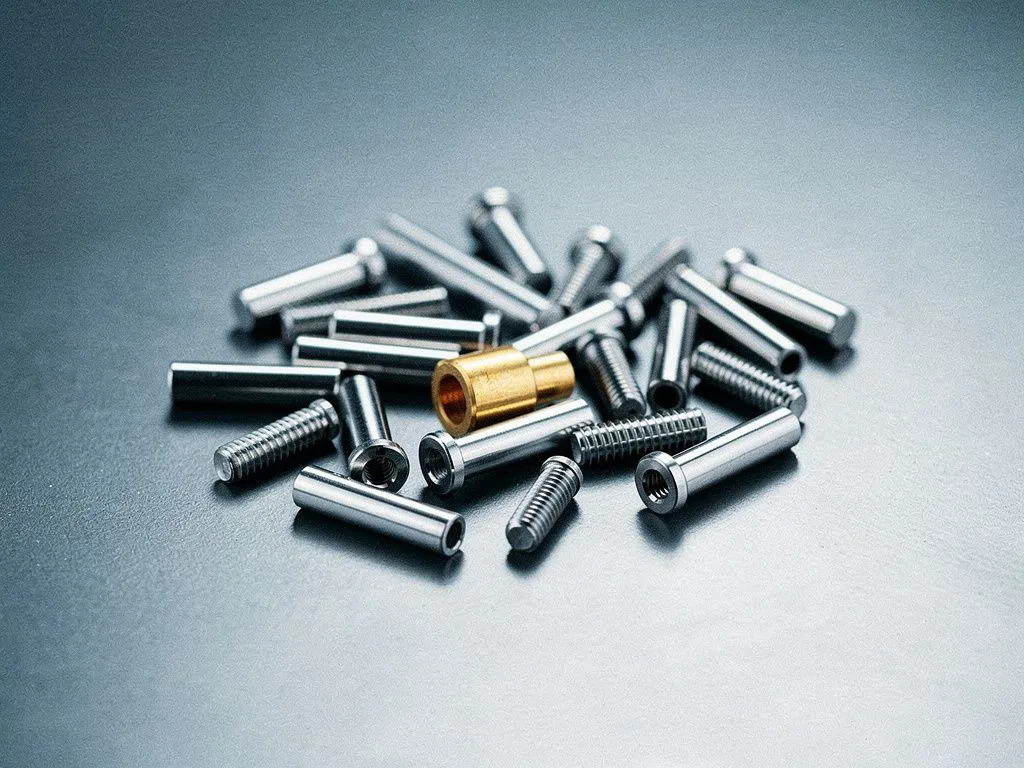
Whether a material is suitable for Swiss-type lathe automated production depends on its machinability, hardness, and the availability of bar stock. Aluminum alloys and brass/copper have the best machinability and are the most common applications for Swiss-type lathe automation, offering low tool load and long tool life, making them suitable for unattended night shifts. Stainless steels (such as 304 and 316) have poorer machinability, leading to faster tool wear; automated production must incorporate tool life monitoring and in-process measurement, otherwise batch dimensional drift can occur during night shifts. Carbon steel has intermediate machinability and is suitable for general automated lines, but consistency in bar stock hardness must be monitored. When requesting quotes, buyers should proactively provide the material grade and hardness range, and ask the supplier about their actual mass-production experience with that material. Yuan Shun Li has machining experience with aluminum alloys, stainless steel, carbon steel, and brass/copper, but the automation parameters differ for each material, and tooling and cutting conditions must be confirmed based on the actual specifications.
How should the inspection process for Swiss-type lathe automated production be designed to meet buyer audits?

The key to designing an inspection process for Swiss-type lathe automated production that meets buyer audits lies in maintaining traceable records across all three stages: incoming inspection, in-process inspection, and final pre-shipment inspection. Incoming inspection must verify that the bar stock material and dimensions conform to specifications, as this is the prerequisite for stable downstream processing. In-process inspection relies on on-machine measurement and tool monitoring to catch defective parts at the machine. Final pre-shipment inspection involves full or sampling inspection to ensure outgoing quality. For Tier-1 buyers, these three sets of records must be traceable to work order numbers and machine numbers to enable rapid traceability in the event of quality anomalies. Yuan Shun Li's inspection process complies with the ISO 9001:2015 quality management system requirements, but the actual certificate number and validity period must be based on the company's latest announcement. Buyers should request a copy of the certificate and the most recent audit report before signing a contract to confirm that the quality system is effectively operational rather than merely certified.

Evaluation Process for Automated Production with Swiss-Type Lathes

  1. 1

    Provide Drawings and Specifications

    The buyer provides 2D/3D drawings, material grade, and estimated batch size, and the supplier evaluates feasibility based on the actual specifications.

  2. 2

    Lighthouse Part Trial Cutting Verification

    The supplier provides yield and output reports for continuous runs of over 8 hours under mass production conditions to verify automation readiness.

  3. 3

    Small Batch Verification

    Before mass production, run a small batch of 500–1000 parts to confirm stable yield and output rhythm.

  4. 4

    Enter Automated Scheduling

    Only after verification passes does the process enter full automated scheduling, with continuous monitoring of in-process measurement and tool status.

swiss turning scene 2

What technical information should buyers prepare when requesting quotes for Swiss-type lathe automated production?

What technical information should buyers prepare when requesting quotes for Swiss-type lathe automated production to enable suppliers to provide accurate pricing and lead times? First, 2D/3D drawings, preferably with critical dimensions and tolerances annotated, so the supplier can determine whether multi-axis machining or special tooling is required. Second, material grade and hardness range, as this directly affects tool selection and cutting parameters. Third, estimated batch size and annual demand, which determines whether the supplier should invest in automated line configuration. Fourth, surface treatment and heat treatment requirements, which are typically outsourced, so it is necessary to confirm that the supplier has corresponding subcontractors. Fifth, quality requirements and inspection standards, such as whether PPAP is required or 100% full inspection is needed. For OEM and Tier-1 buyers, the more complete this information is, the more accurate the supplier's per-piece pricing and automation feasibility assessment will be. Yuan Shun Li offers services from prototyping to mass production, allowing buyers to discuss the feasibility of production automation during the prototyping stage, avoiding the need to redesign the process later for mass production.

What are the common causes of failure in Swiss-type lathe automated production? How can buyers prevent them?

What are the common causes of failure in Swiss-type lathe automated production, and how can buyers prevent them? The three most common causes of failure are: first, part design is not suitable for Swiss-type lathes, such as an excessively short length-to-diameter ratio or features that are not concentrated, forcing the use of a Swiss-type lathe increases costs and changeover time; second, poor material batch consistency, where bar stock hardness drift leads to unstable tool life and potential batch scrap during unattended night shifts; third, improper in-process measurement settings, such as low measurement frequency or incorrect compensation logic, allowing defective parts to flow to the next process. The way for buyers to prevent these issues is to require the supplier to provide an actual lighthouse part trial cutting report during the prototyping stage, confirming yield and production rhythm under automated conditions, and to run a small batch validation of 500–1000 pieces before mass production before deciding to proceed with full automation scheduling. Yuan Shun Li's integrated experience in CNC turning, milling, and mill-turn machining can help buyers determine during the prototyping stage whether the part design is suitable for Swiss-type lathe automation, avoiding rework of the design later for mass production.

Frequently Asked Questions

How much labor can automated production with Swiss-type lathes save?

What buyers should calculate is not how many workers are saved, but how much per-part machining cost and defect rate decrease. The value of unmanned operation comes from reducing shift labor, intercepting defective parts through in-process measurement, and increasing single-machine utilization. These figures can only be verified through trial cutting with your own part types.

Which materials are suitable for automated production with Swiss-type lathes?

Aluminum alloys and brass/copper have the best machinability and are most suitable for unattended night shifts. Stainless steel has poorer machinability and requires tool life monitoring and in-process measurement. Carbon steel falls in between, and attention should be paid to the consistency of bar hardness. Buyers should proactively provide material grade and hardness range.

What technical information should be prepared when requesting a quote?

You should prepare 2D/3D drawings (including critical dimension tolerances), material grade and hardness range, estimated batch size and annual demand, surface treatment and heat treatment requirements, and quality requirements and inspection standards (such as PPAP or 100% inspection). The more complete the information, the more accurate the supplier's quotation and feasibility assessment will be.

What are the common causes of failure in automated production with Swiss-type lathes?

The three most common causes are: part design unsuitable for Swiss-type machining, poor consistency between material batches, and improper setup of in-process measurement. The preventive approach is to require the supplier to provide a lighthouse part trial cutting report, and run a small batch of 500–1000 parts for verification before mass production, before deciding to proceed with full automated scheduling.

How should the inspection process be designed to meet buyer audits?

The key is to maintain traceable records across all three stages—incoming inspection, in-process inspection, and final inspection before shipment—and ensure they correspond to work order numbers and machine numbers. Yuan Shun Li's inspection process complies with ISO 9001:2015 requirements, but buyers should request a copy of the certificate and the most recent audit report before signing the contract.

Submit your part drawings to get a Swiss-type lathe automated production assessment

Please provide 2D/3D drawings, material grade, and estimated batch size. Yuan Shun Li will evaluate the feasibility and unit cost of Swiss-type lathe automated production based on the actual specifications.