
Guide-Bushing vs. Non-Guide-Bushing Swiss-Type Lathes: Key Differences
The core difference between guide-bushing and non-guide-bushing Swiss-type lathes lies in how the workpiece is supported. Guide-bushing machines use a wrapping bushing to stabilize slender workpieces, making them ideal for long-axis parts with a high length-to-diameter ratio and small bar diameters. Non-guide-bushing machines allow the workpiece to rotate freely between the spindle and the collet, making them suitable for short workpieces and complex machining that requires back-side milling and tapping. Yuan Shun Li's production line in Tanzi, Taichung, is equipped with both machine types, allowing buyers to choose the configuration based on workpiece length, precision requirements, and downstream processes.
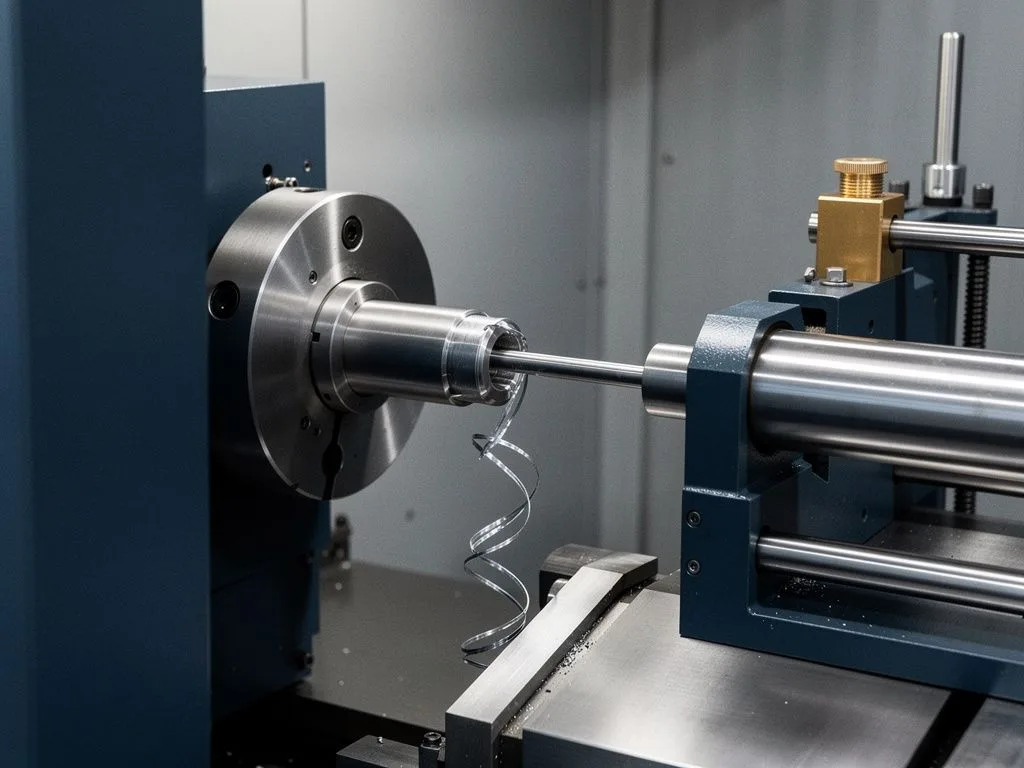
At What Length-to-Diameter Ratio Should You Choose a Guide-Bushing Machine?
The length-to-diameter ratio is the first quantitative indicator for deciding between guide-bushing and non-guide-bushing machines. Generally, when the workpiece length exceeds 8 to 10 times its diameter, the support stability of a non-guide-bushing machine becomes clearly insufficient, and cutting vibration will directly affect surface roughness and dimensional tolerances; in this case, a guide-bushing machine is the safer choice. Conversely, if the length-to-diameter ratio is below 5 times and the workpiece requires back-side milling or tapping, a non-guide-bushing machine offers clear advantages in machining flexibility over a guide-bushing type. For the gray area in between, material rigidity, depth of cut, and precision requirements must be considered. When buyers provide drawings, they can also specify the length-to-diameter ratio and tolerance grade so the machining shop can determine which configuration is more suitable, avoiding incorrect machine selection that leads to lower yield or abnormal tool life.
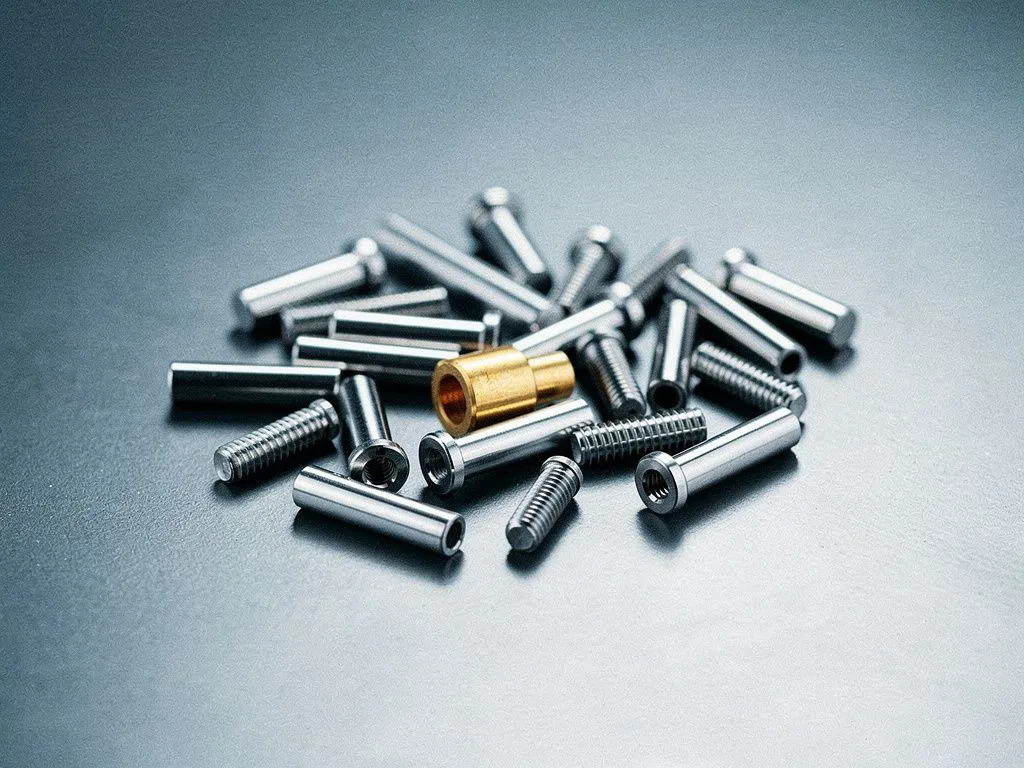
What problems can occur from choosing the wrong machine type?
The most common consequences of choosing the wrong machine type fall into three categories: first, lower yield—machining slender workpieces on a non-guide-bushing machine can cause deflection marks and dimensional drift, leading to higher scrap rates; second, abnormally shortened tool life—insufficient support causes additional vibration that accelerates tool wear; third, downstream operations cannot be completed in a single setup—for example, the guide-bushing type cannot perform side milling, so the workpiece must be re-clamped, increasing cumulative error and cycle time. For buyers, these issues often only surface during the sampling stage, causing development delays. We recommend providing the workpiece length-to-diameter ratio, maximum length, and downstream processing requirements (milling, tapping, drilling) at the quotation stage, so the machining supplier can evaluate the machine configuration in advance and avoid discovering the need for a process change only after trial production.