
How should buyers weigh the trade-off between small and large manufacturers in lead time and flexibility?
The trade-off between small and large manufacturers in lead time and flexibility is not about which is better, but about whose scheduling logic fits your part type. Small manufacturers have shorter decision chains and can more easily insert trial production and small-batch parts into their schedules. Large manufacturers offer stable capacity and are suited for mass production and multi-process integration, but have limited ability to absorb changes and rush orders. Buyers should decide based on part type, batch size, change frequency, and cost structure, not simply on company size.
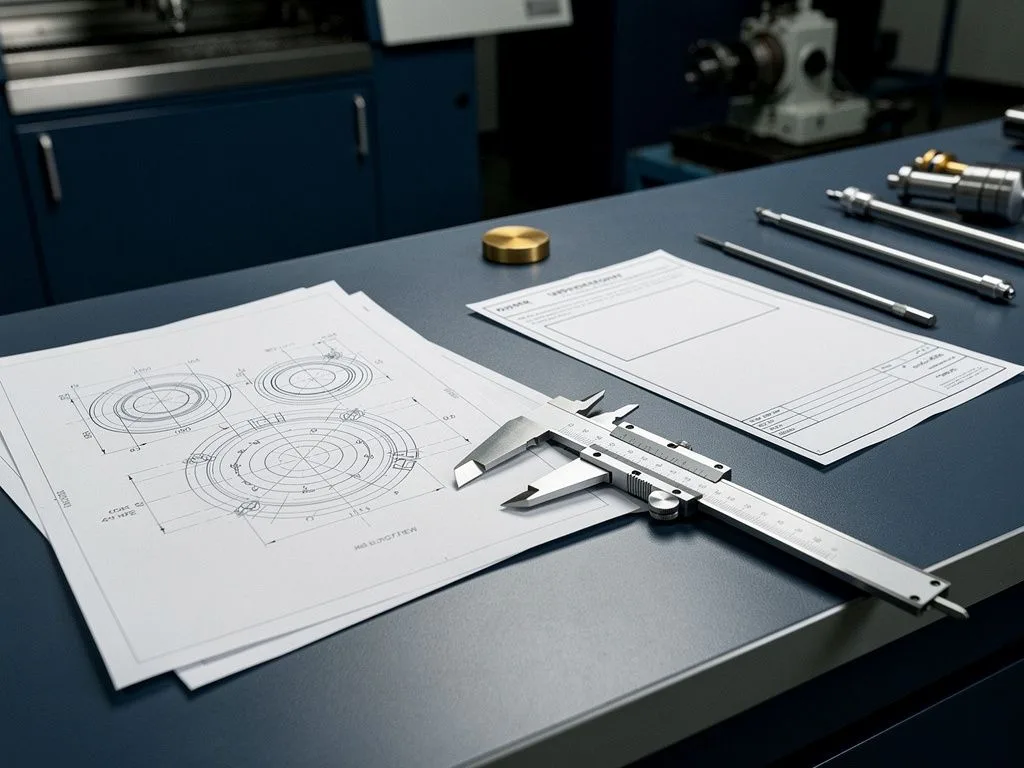
Which part types are suitable for small manufacturers? Which are suitable for large manufacturers?
Part type is the first concrete indicator for deciding between small and large manufacturers. For parts with complex structures, small dimensions, and high length-to-diameter ratios, such as connectors, valve cores, and medical or optical components, the one-pass forming capability of Swiss-type lathes is especially suited to small manufacturers, because the processes are concentrated on a single machine, reducing cumulative cross-process error. Conversely, large parts that require multi-process integration or outsourced surface treatment are better suited to large manufacturers with complete production lines, such as structural parts for automotive Tier-1 suppliers or large equipment housings. When buyers can directly specify the part type and length-to-diameter ratio during inquiry, machining plants can more quickly determine machine configuration, which is more efficient than simply comparing company size.
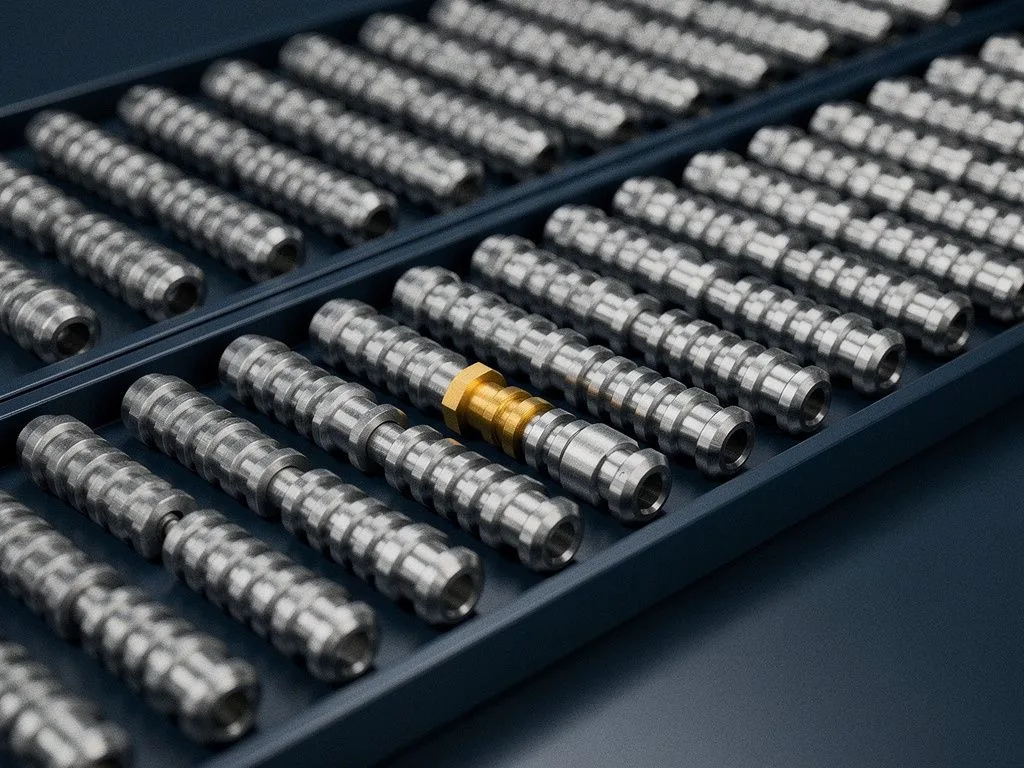
When comparing cost structures between small and large manufacturers, what should buyers focus on?
When comparing cost structures between small and large manufacturers, buyers should not focus on unit price alone, but rather on the 'slope of unit price decline with batch size.' Small manufacturers typically have higher unit prices because machine depreciation and labor costs are spread over smaller production volumes, but they also have a higher tolerance for small batches. Large manufacturers are the opposite: their unit prices drop more significantly with batch size, but they set minimum order quantities. If a buyer sends prototype parts to a large manufacturer, minimum order quantities and mold fees will inflate costs; if they send mass-production parts to a small manufacturer, unit prices will be higher due to a lack of economies of scale. The basis for judgment is the correspondence between part type and batch size, not which side is 'cheaper.'