
What evidence can buyers request during a remote factory audit?
During a remote factory audit, buyers can request six types of documentary and visual evidence: a copy of the ISO 9001:2015 certificate, first article inspection and in-process measurement records, pre-shipment final inspection reports, equipment list with brands, material incoming inspection and traceability documents, and a live video walkthrough of the facility. These six types of evidence form a dual documentary and visual verification basis, allowing buyers to assess a CNC machining factory's quality system and on-site discipline without traveling. It is recommended that buyers complete the documentary review before signing the contract and schedule one video walkthrough as a final confirmation.
What fields should a pre-shipment final inspection report include?
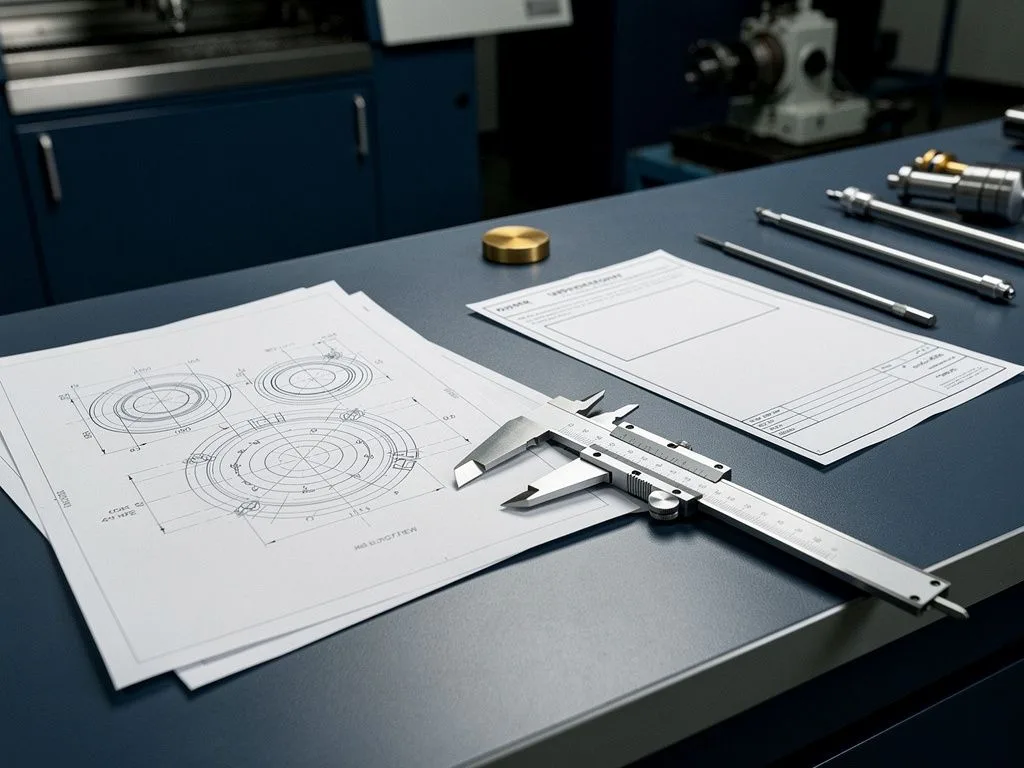
A pre-shipment final inspection report serves as the quality certificate for each shipment. Buyers should require it to include the batch number, inspection date, sampling plan (AQL or percentage), list of measured items, actual measured values with pass/fail results, and signatures from the inspector and the quality assurance supervisor. For OEM parts supply or Tier-1 suppliers, this report is the primary basis for downstream customers to trace quality issues. If the format is incomplete or signatures are missing, it will be difficult to clarify responsibility in the event of a customer complaint. The report should be consistent with the batch number on the shipping document, and it is recommended to require the factory to retain raw measurement data (CSV or Excel) rather than only providing a PDF summary. At the pre-shipment final inspection stage, Yuan Shun Li provides complete reports according to customer specifications, but the specific fields and format must be confirmed based on actual specifications and customer requirements. It is recommended to request a report template during the RFQ stage.

How should material incoming inspection and traceability documents be reviewed?
Material traceability documents are key evidence for verifying whether a CNC machining shop uses the correct materials. Buyers should ask suppliers to provide incoming inspection records and material certificates (Material Certificate, Mill Certificate). Incoming inspection records should include material specification, heat number, batch number, supplier, and measured chemical composition or mechanical properties. The material certificate is provided by the material supplier with the shipment, documenting the chemical composition and mechanical properties of that batch. For common metals such as aluminum alloys, stainless steel, carbon steel, brass, and copper, each incoming batch should have corresponding traceability documents, and it should be possible to trace back to the original heat number after machining. If a supplier cannot provide material certificates or incoming inspection records, it indicates a gap in their material control, making it difficult to trace material-related complaints later. It is recommended that buyers request a copy of the material certificate with the first article during the pilot run stage to establish a traceability baseline for subsequent mass production.