
What materials and surface specifications are commonly used for semiconductor equipment parts?
Semiconductor equipment parts commonly use metals such as 6061-T6 aluminum alloy, 303 and 316L stainless steel, brass, and copper, depending on the application in chambers, gas lines, or vacuum enclosures. Surface specifications mainly cover roughness Ra values, passivation treatment, cleaning grade, and packaging cleanliness. Buyers should clearly specify material grades and surface finishing methods in the RFQ to avoid suppliers delivering generic specifications.
On which semiconductor parts is aluminum alloy most commonly used?
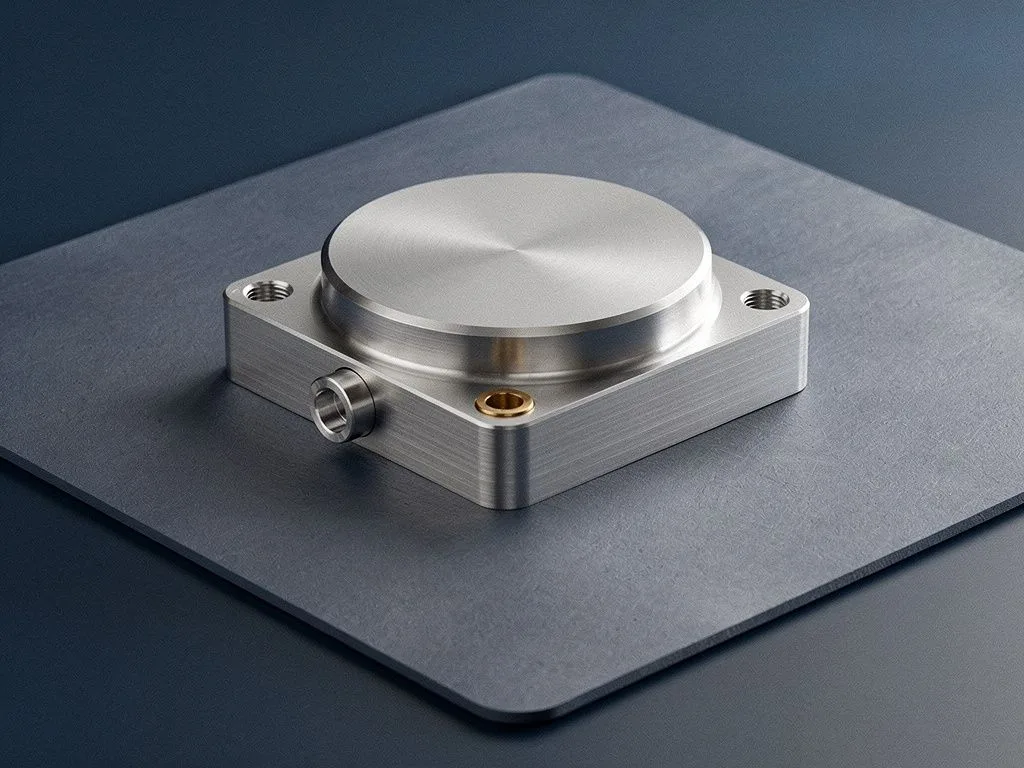
Aluminum alloy is most commonly used on structural parts that do not come into contact with process gases, such as chamber housings, end plates, brackets, and heat sinks. 6061-T6 is the industry-standard grade because it offers good machinability, mature anodizing processes, and relatively low cost. If buyers use aluminum parts inside the chamber, special attention must be paid to the type of anodizing—hard anodizing, electroless nickel plating, or Teflon coating directly affects corrosion resistance and particle shedding performance. The RFQ should specify "6061-T6" rather than just "aluminum," and indicate whether Type II or Type III anodizing is required, along with the coating thickness range and sealing method. Yuan Shun Li can assist buyers in recommending suitable aluminum alloy grades and post-treatment combinations based on part location, but specific coating thickness and treatment levels must be confirmed against actual specifications.
How Should Surface Roughness Ra Values Be Determined by Part Location?
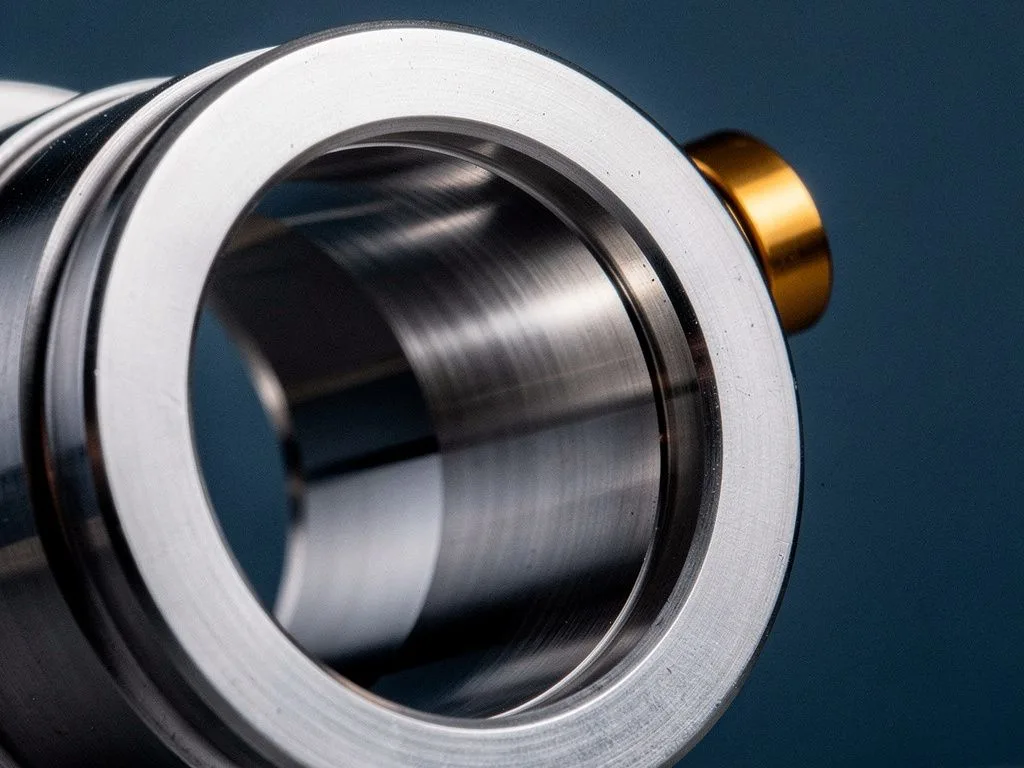
Surface roughness Ra values should be determined by part location and function rather than applying a uniform specification across the entire machine. Vacuum chamber inner walls and gas line contact surfaces typically require Ra ≤ 0.8 μm, or even 0.4 μm, to reduce surface area and gas adsorption. External structural parts and frames can be relaxed to Ra 1.6–3.2 μm. Buyers should specify Ra values separately for each machined surface in the RFQ, and indicate the measurement direction and sampling length, to prevent suppliers from glossing over with a vague 'overall polishing' statement. Swiss-type lathes and CNC turn-mill centers can consistently achieve Ra 0.4–0.8 μm, but if a mirror finish of Ra ≤ 0.1 μm is required, an additional polishing process is necessary, and delivery time and cost should be agreed upon in advance. Yuan Shun Li can evaluate machining strategies based on the buyer's specified Ra range, but the actual achievable roughness must be confirmed based on material, tooling, and trial cutting results.