
How Are Fixture and Jig Costs Amortized? First Agree on the Allocation Basis, Then Discuss Unit Price
The essence of amortizing fixture and jig costs is to spread a one-time investment over the estimated production volume, bringing the unit price back into a reasonable range. When requesting a quote, buyers should ask suppliers to itemize fixture fees, machining fees, and inspection fees, and agree on the amortization quantity, recovery conditions, and how unit prices will be adjusted for additional orders. For CNC metal machining, the complexity of the fixture structure directly determines the number of clamping operations and changeover time. If the amortization basis is not clearly defined, unit price disputes are most likely to arise after mass production begins.
How Should Amortization Quantities Be Negotiated?
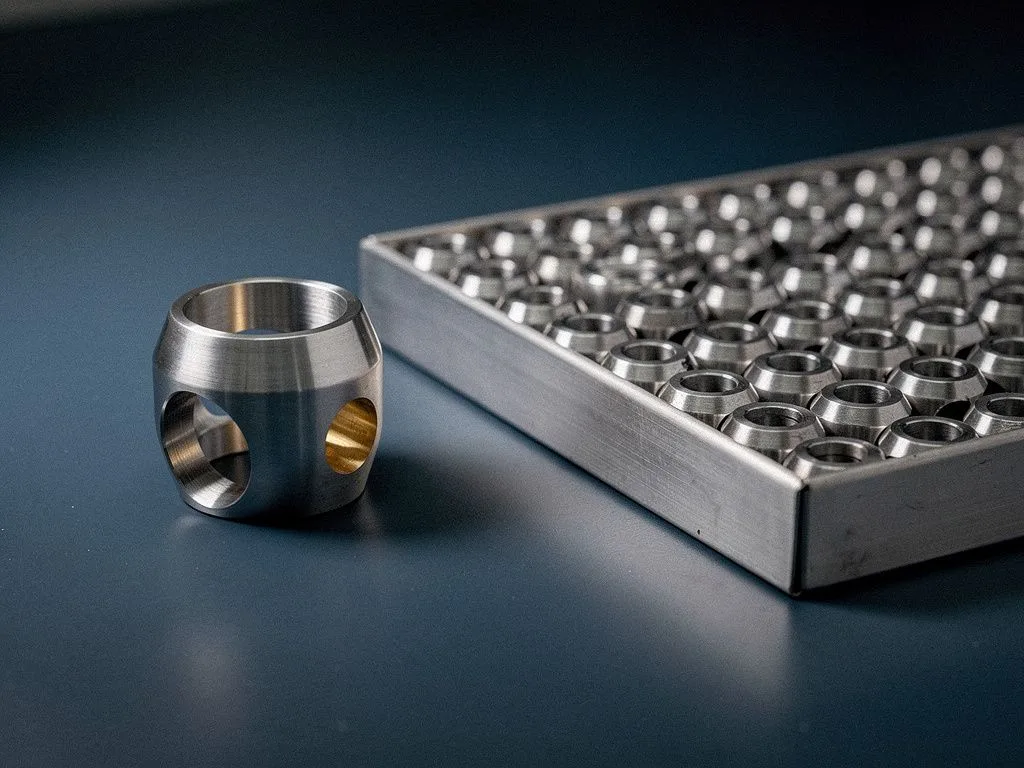
Negotiating a reasonable amortization quantity must be based on mutual agreement on the total order volume, not on an arbitrary number. A common practice is for the buyer to first provide the annual forecast and per-batch order quantity, and the supplier then calculates a reasonable amortization basis based on machine changeover frequency, tool life, and fixture wear cycles. For example, with Swiss-type lathe machining, because changeover time is short and batch sizes are typically larger, the amortization quantity can be set higher. For 3-axis milling of large parts, where batch sizes are smaller and fixture structures are complex, the amortization quantity should be more conservative. At Yuan Shun Li, in CNC turning-milling combined and five-axis machining projects, the common amortization range is between 500 and 3,000 pieces, with the actual figure depending on part size and precision requirements. If the buyer is uncertain about the forecast, they should note a "forecast ±30%" range on the RFQ to avoid a large gap between actual volume and the amortization basis later.
When Should Additional Orders and Fixture Costs Be Recalculated?
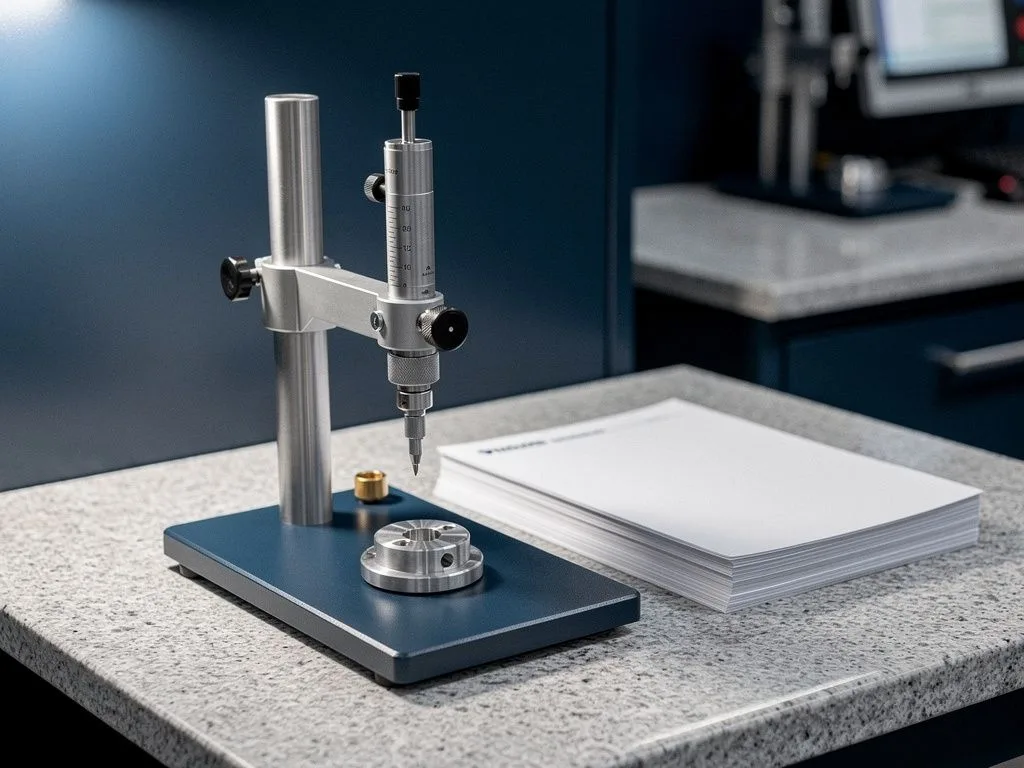
Whether additional orders trigger a recalculation of fixture costs depends on whether the originally agreed amortization quantity has been met and whether the fixtures are still in usable condition. When cumulative shipped volume exceeds the originally agreed amortization quantity, subsequent orders should stop including fixture amortization in the unit price—this is the most commonly overlooked bargaining space for buyers. Conversely, if fixtures wear out or are damaged before the amortization quantity is met, the supplier has the right to ask the buyer to share the cost of fixture repair or remanufacturing, and this should also be agreed upon in advance. At Yuan Shun Li, throughout the three-stage process of incoming inspection, in-process inspection, and final pre-shipment inspection, we record fixture usage status as a basis for negotiating additional orders. Buyers should clearly state in the contract or quotation the "unit price adjustment method after exceeding the amortization quantity" and the "cost-sharing ratio for fixture abnormalities" to have a written basis in case of disputes.