
What are the differences between aluminum alloy, stainless steel, and brass in CNC machining?
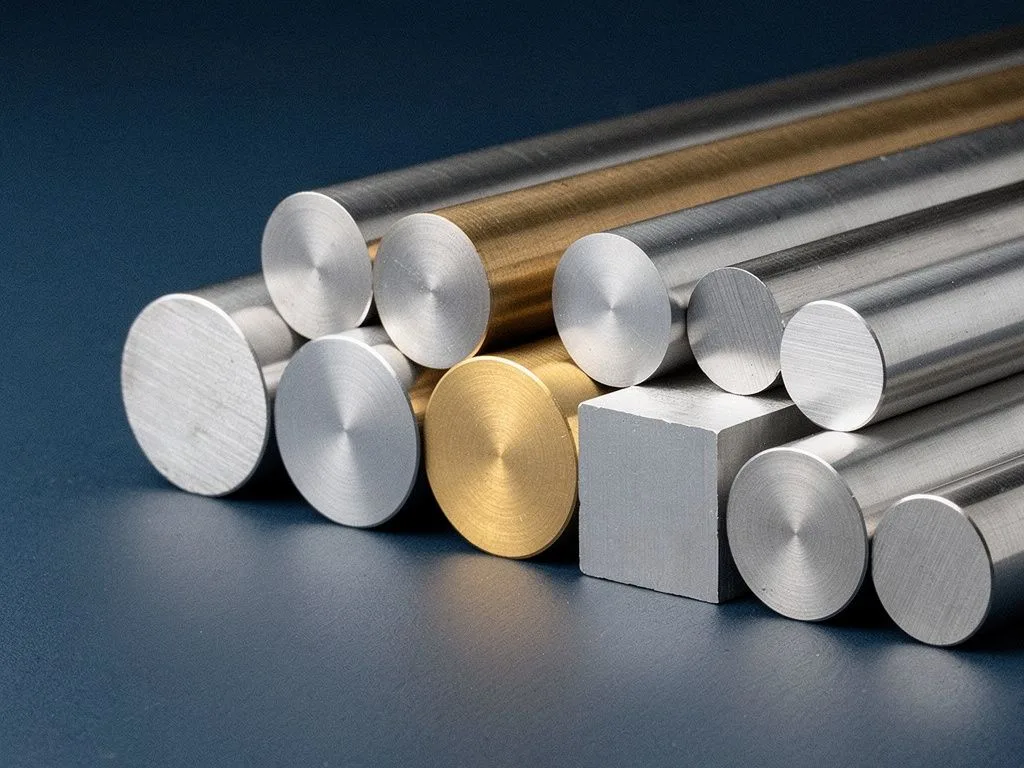
The differences between aluminum alloy, stainless steel, and brass in CNC machining mainly come from hardness, cutting resistance, and thermal conductivity. Aluminum alloy is soft with low cutting heat, allowing high speeds and thin walls; stainless steel has high hardness and significant work hardening, requiring lower speeds and rigid tooling; brass has low cutting resistance and good surface finish, commonly used for turned parts and small-diameter Swiss-type components. Material selection should be based on end-use load, conductivity requirements, and appearance standards, with the machining shop confirming tolerance limits and surface treatment methods according to actual specifications.
What are the characteristics and limitations of stainless steel in CNC machining?
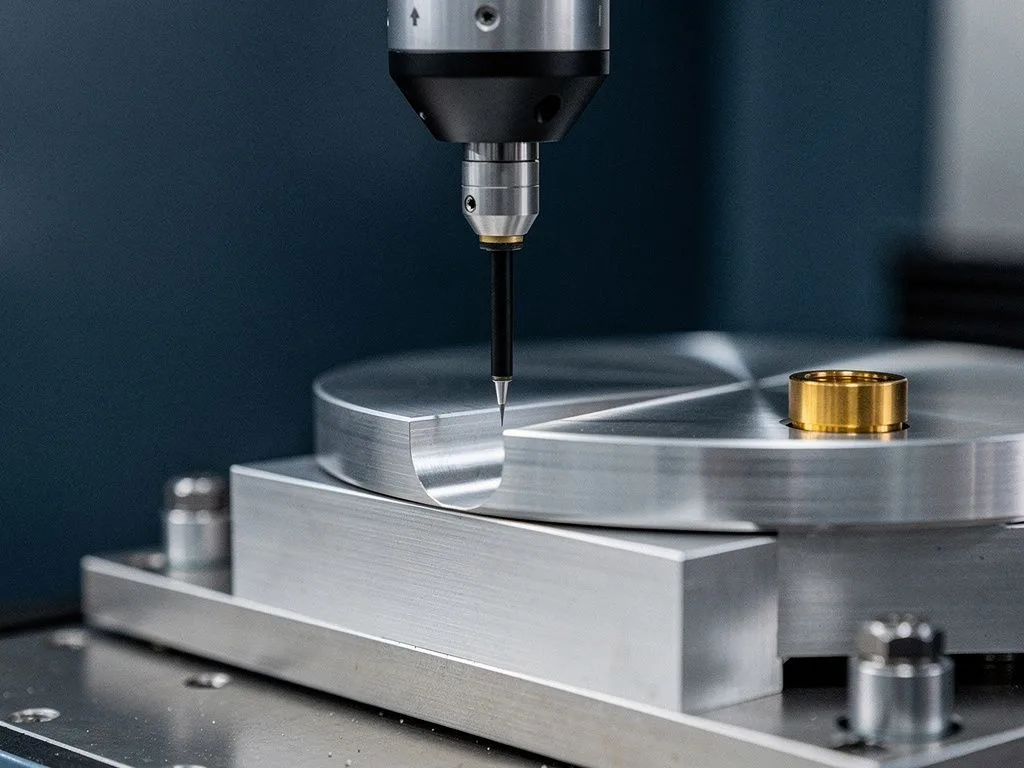
The corrosion resistance of stainless steel comes from its chromium content, and the common 304 and 316 series perform stably in humid or chemical environments, which is why they are chosen for medical, food, and fluid equipment. The machining challenge lies in work hardening: if the tool path causes localized strain in the material, hardness increases and subsequent cutting resistance rises, so cutting parameters are typically more conservative than for aluminum alloy. 304 and 316 differ in weldability and formability; 316 contains molybdenum, offering better pitting resistance but at a higher cost. For buyers, the most common question is whether stainless steel parts can achieve the same tolerances as aluminum parts—the answer is to confirm based on actual specifications: generally, achievable tolerances on stainless steel are slightly wider than on aluminum with the same machine class, and surface roughness is harder to keep low. To avoid work hardening and deformation, thin and deep-cavity parts often require multiple machining steps and coolant to stabilize cutting temperature. For surface treatment, passivation, electropolishing, and mirror polishing are all feasible, but the post-treatment sequence and datum surfaces must be indicated on the drawing.
What machining and cost problems can result from choosing the wrong material?
The most common consequence of choosing the wrong material is not machine damage, but a chain reaction affecting tolerances, surface quality, and lead time. For stainless steel parts, if a buyer places an order with tolerance standards originally intended for aluminum alloy, the machining shop often has to reduce cutting speed, increase tool change frequency, and even split the job into multiple operations to approach the original specification, driving up per-piece cycle time and cost. If aluminum parts are required to withstand a stainless-steel-grade corrosive environment, they may oxidize or corrode within a short period, requiring anodizing or a material change. If brass parts are used in high-temperature environments, zinc volatilization can cause surface porosity and dimensional changes. Another common issue is material certification: medical, food, and aerospace customers typically require material certificates and traceability, so the machining shop must retain heat numbers and material certifications during incoming inspection, which is reflected in lead time and unit price. If buyers can provide material grade, hardness requirements, and post-processing sequence at the RFQ stage, the machining shop can more accurately estimate tool life and cycle time, avoiding re-quoting due to specification changes later.