
At which stage is the cost of design changes lowest
The stage at which design changes cost the least is after the 3D drawing is finalized but before the tool paths are programmed. Once mass production begins, fixtures, cutting parameters, and quality assurance inspection criteria are all locked in, and any dimensional or geometric modification will affect lead times, unit prices, and yield rates. Buyers can most easily control overall project costs by providing complete STEP or IGES files at the RFQ stage and reserving one window for fine-tuning before the design freeze.
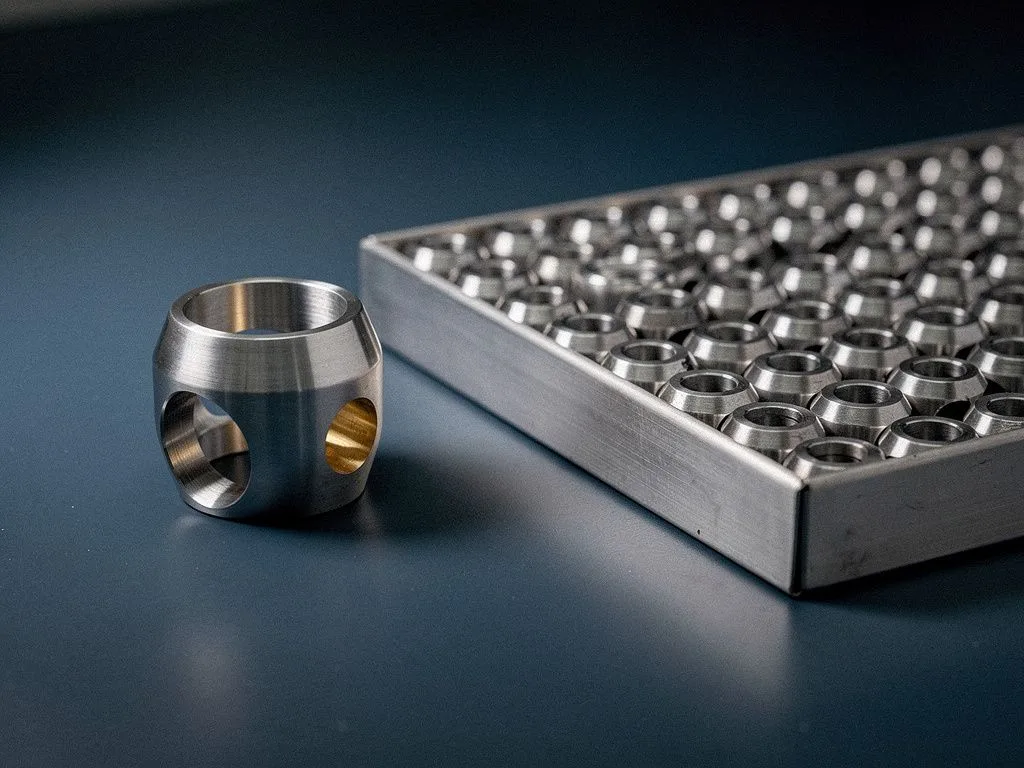
Why Do Changes During Mass Production Cost the Most?
Why do changes during mass production cost the most? Because changes at this stage simultaneously impact three aspects: delivery, yield, and unit price. In terms of delivery, already-scheduled production lines need to be rescheduled, and the shipping schedules of subsequent orders may be delayed—especially when changes require remaking jigs and fixtures, which can halt an entire production line for days. In terms of yield, the risk of mixing old and new versions increases; incoming inspection and in-process inspection criteria must be updated simultaneously, and warehouse areas must clearly segregate different versions of parts to prevent misuse. In terms of unit price, once the program for CNC turning-milling or Swiss-type lathe machines is modified, the entire tool path must be re-validated, and the frequency of first-article inspection and in-process sampling must be increased. Yuan Shun Li's quality process covers incoming inspection, in-process inspection, and final pre-shipment inspection; any version change triggers a re-review at all three checkpoints, which is the main reason mass-production changes remain costly. For buyers, changes during mass production are often not just a matter of cost, but the risk of disrupting the entire supply chain rhythm.
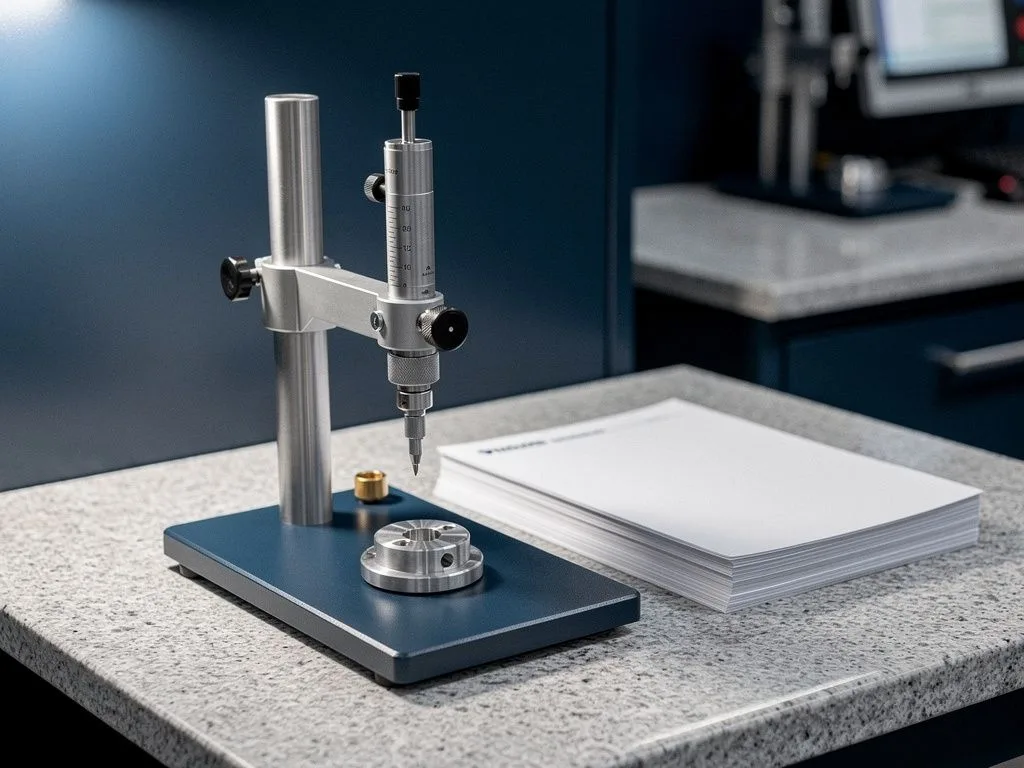
How Much Rework Can a DFM Review Save Buyers?
How much rework can a DFM review save buyers? The value of a Design for Manufacturability (DFM) Review lies in surfacing potential machining risks in the buyer's drawings early, at the RFQ stage. Common DFM issues include: whether internal square corners need to be changed to radii to match tool radius, whether thin-walled parts will deform during cutting, whether the length-to-diameter ratio of deep-hole machining exceeds the reach of standard tooling, and whether the pilot hole size for threaded holes meets tapping specifications. If these issues are only discovered after trial production, they often result in scrapped first articles and jig modifications; if raised at the RFQ stage, the buyer only needs to revise the drawing version. After receiving the complete 3D file, Yuan Shun Li's engineering team reviews these manufacturability details item by item and provides written recommendations for the buyer's reference. For buyers, treating the DFM review as a standard step in the RFQ process—rather than an additional request—is a key habit for reducing overall project change costs.