The Real Impact of Material Selection on CNC Machining Costs
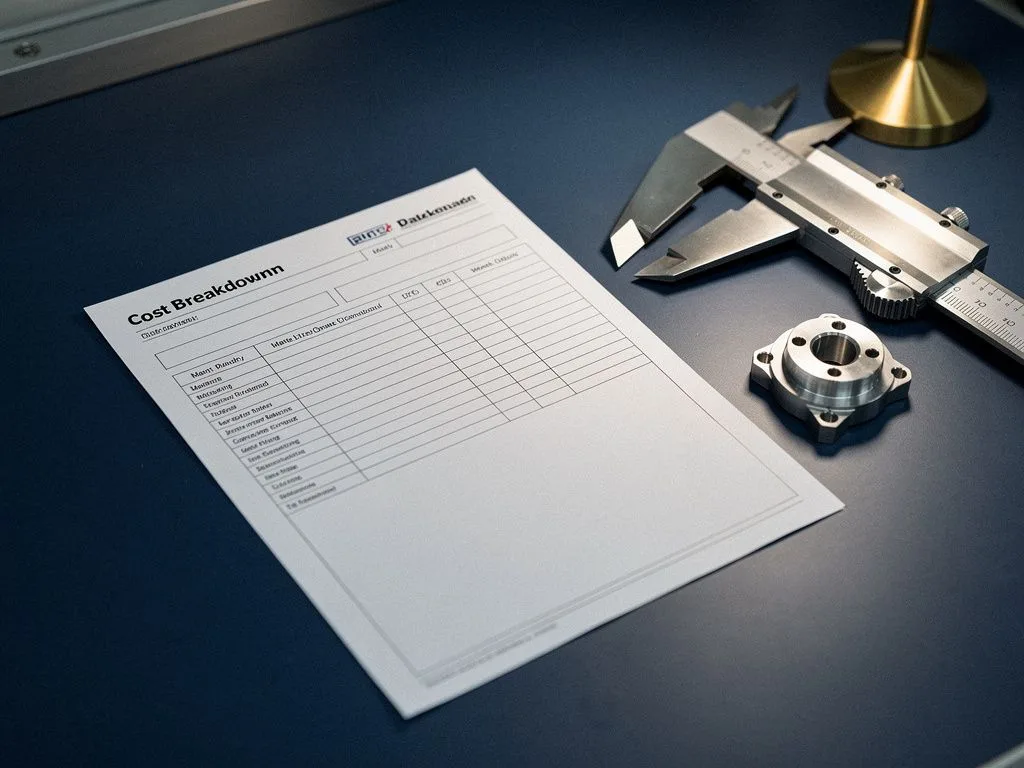
Material is the single most variable factor in CNC machining quotes, directly determining tool wear, cutting speed, and per-piece cycle time. With the same drawing and the same machine, switching to a different material can change the unit price by several times. If buyers can clarify material specifications and machining tolerances before requesting a quote, both quote accuracy and delivery schedule controllability will improve significantly.
Key Takeaways
Material is the biggest cost variable
Material directly determines tool wear, cutting speed, and cycle time per part. The same drawing can have material unit costs differing by several times when the material is changed.
Three pathways affect machining costs
Hardness affects cycle time, wear resistance affects tooling costs, and thermal conductivity affects fixture and measurement time. Therefore, quotes list material costs and machining costs separately.
Aluminum parts offer the highest cycle time efficiency
Aluminum has low cutting resistance and minimal tool wear, resulting in shorter cycle times per part than carbon steel and stainless steel. The cost advantage comes from the machining side, not the material unit price.
Material changes require re-quoting
When the material grade, heat treatment, or hardness changes, the machine shop must re-evaluate cutting parameters and tooling strategies, affecting material unit price, cycle time, and tooling costs.
Why Does Material Directly Affect CNC Machining Costs?
Material affects cost through three core mechanisms: first, material hardness and machinability determine cutting speed and feed rate, directly extending or shortening per-piece cycle time; second, material wear resistance and tendency to stick to the tool determine tool life, with tooling costs being amortized into the per-piece quote; third, material thermal conductivity and deformation tendency affect whether multiple roughing passes and secondary thermal stabilization are required, which adds extra work for fixtures and measurement. For buyers, understanding these three mechanisms is essential to see why "material cost" and "machining cost" are listed separately on a quote. When the drawing specifies "customer-specified material," the machining shop will typically note the material grade and corresponding machining difficulty in the quote reply, which is where the cost difference begins.
What Are the Cost Characteristics of Iron and Carbon Steel in CNC Machining?
Iron and carbon steel are the most common material categories in CNC machining, with moderate machinability and controllable tooling costs. For buyers, the advantage of carbon steel lies in its easy availability and complete specification range, while the drawback is that it tends to produce burrs during cutting, and the deburring time in the later stage will be included in the quote. If the drawing requires precision tolerances at the 0.007 mm level, carbon steel parts require more stable clamping and multiple measurements; machining shops typically arrange CMM (coordinate measuring machine) inspection in the process, and this measurement time will be reflected in the unit price. It is recommended that buyers specify the heat treatment state (e.g., annealed, quenched and tempered) and hardness range when specifying carbon steel, to avoid the machining shop discovering excessive hardness only after receiving the material and having to renegotiate the quote.

Why Is Aluminum Often Considered a "Friendly Material" for CNC Machining?
Aluminum has low cutting resistance, fast heat conduction, and minimal tool wear, allowing higher cutting speeds and feed rates in both CNC turning and milling, with per-piece cycle times typically shorter than carbon steel and stainless steel. For buyers, the cost advantage of aluminum parts comes from the machining side, not the material unit price; common aluminum alloys such as 6061 and 7075 have relatively transparent market prices, and the machining shop's profit margin is mainly driven by cycle time efficiency. One detail to note: aluminum surfaces are prone to tool marks. If the drawing requires a higher surface roughness standard, the machining shop will reduce the feed rate or increase the number of finishing passes, which adds extra cycle time. If buyers can specify the different requirements for "functional roughness" and "cosmetic roughness" when requesting a quote, it will help the machining shop provide a more accurate price.
Why Is the Machining Cost of Copper and High-Conductivity Materials Higher?
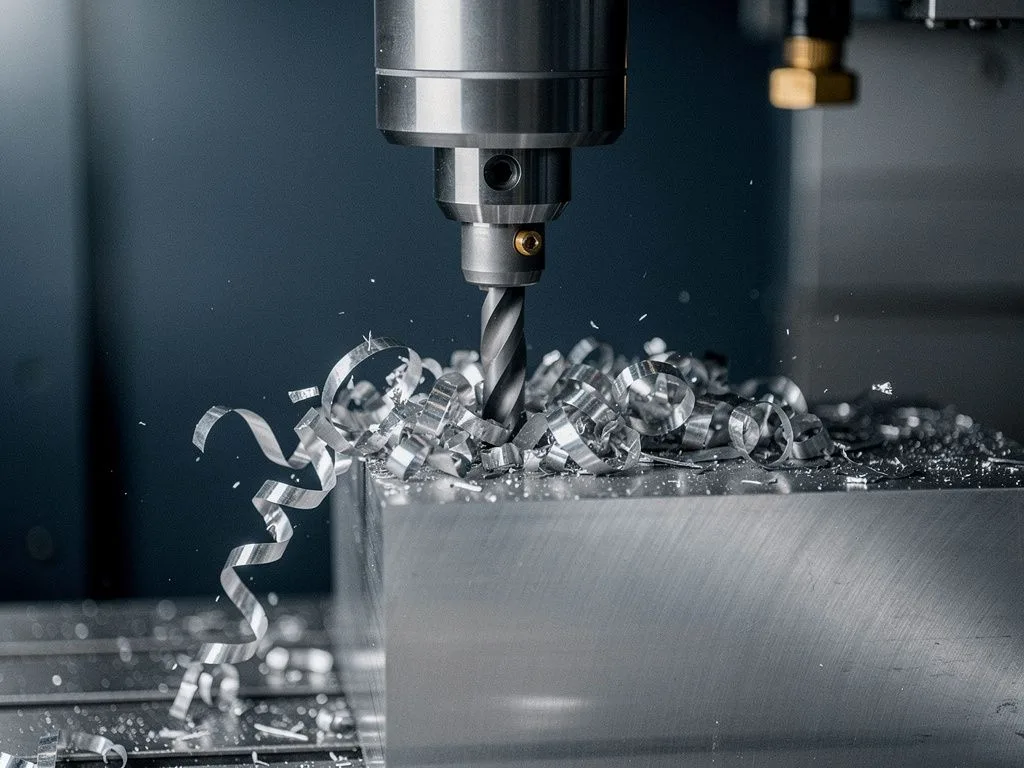
The difficulty in machining copper mainly comes from the material's ductility and tendency to stick to the cutting tool. During cutting, it easily produces long, stringy chips, requiring lower cutting speeds and tools with specialized geometry, which increases both per-piece cycle time and tooling costs. For buyers, the reason copper parts are quoted higher is not the material cost but the efficiency loss on the machining side. If the part also requires tight tolerances and a good conductive surface, the machine shop will typically recommend a stabilization aging treatment after roughing to allow internal stresses to release before finishing. This step is reflected in both lead time and unit price. It is recommended that buyers provide the conductivity requirement or material grade at the RFQ stage so the machine shop can pre-assess tooling strategy and cutting parameters.

What Should Be Noted When CNC Machining FRP and Composite Materials?
FRP (fiber-reinforced plastic) and other composite materials have machining characteristics that are completely different from metals. The material is hard but non-homogeneous, and cutting tends to cause delamination, burrs, and dust. Tool wear is much faster than in metal machining. For buyers, the quote for FRP parts typically reflects two items: tool consumption and dust-protection labor time, making the per-piece cost significantly higher than for aluminum or carbon steel parts. If the drawing requires hole position accuracy and edge quality, the machine shop will recommend coated tools with specialized geometry and lower cutting speeds, which further extends cycle time. It is recommended that buyers specify the fiber orientation and number of layers at the RFQ stage so the machine shop can evaluate fixturing and cutting strategy, avoiding rework due to warpage or delamination discovered after machining.
Comparison of Machining Cost Characteristics Across Six Material Categories
Carbon Steel and Iron Parts
Moderate machinability with controllable tooling costs; pay attention to heat treatment condition and hardness range. Deburring time in later stages will be reflected in the quote.
Aluminum Alloys
Low cutting resistance and low tool wear with high machining efficiency; surface roughness requirements will affect feed rate and the number of finishing passes.
Copper and High-Conductivity Materials
High ductility and tendency to stick to the tool; requires specialized tooling and lower cutting speeds. A stabilization aging treatment after roughing is recommended before finishing.
Stainless Steel and High-Hardness Alloys
High cutting resistance and short tool life; per-piece cycle time and tooling costs are significantly higher than for carbon steel. Hardness range must be specified.
FRP and Composite Materials
Non-homogeneous materials prone to delamination and burrs; requires specialized coated tooling. Dust protection and labor costs will be reflected in the quote.
Other Special Alloys
Machinability varies greatly depending on grade and heat treatment condition; buyers are advised to provide complete material specifications for the machine shop to evaluate.
What Material Information Should Buyers Prepare Before Requesting a Quote?
Complete material information allows the machine shop to provide an accurate quote at the outset, avoiding back-and-forth negotiations later. Buyers are advised to prepare the following items when requesting a quote: material grade and corresponding specification (e.g., JIS, ASTM), heat treatment condition and hardness range, whether the material supplier and material test certificate (MTC) will be provided with the material, and whether the machine shop is expected to procure the material on the buyer's behalf. For prototype parts with small material quantities, the unit price for machine-shop-procured material may be higher than the market rate, and this cost will be reflected in the quote. For production parts, buyers supplying their own material and designating the supplier can usually reduce material-side costs, but the responsibility for incoming material inspection must be clearly defined to avoid disputes over material defects later.
How Do Material Specification Changes Affect a Confirmed Quote?
Material specification changes are one of the most common reasons for CNC machining quote revisions. Even with the same drawing, if the material grade, heat treatment condition, or hardness range changes, the machining shop typically needs to re-evaluate cutting parameters, tooling strategies, and workholding methods. For buyers, the cost impact of a material change can be broken down into three levels: first, the difference in material unit price, which is usually transparent; second, the change in machining time—for example, switching from aluminum to stainless steel can multiply the machining time several times over; and third, tooling costs, as certain materials require dedicated tooling that may need to be specially ordered if not in stock. It is recommended that buyers confirm the material with the machining shop during the design stage to avoid specification changes mid-production, which can cause delivery delays and cost overruns.
FAQ
Why do quotes list material costs and machining costs separately?
Because material affects costs through three pathways: hardness determines cutting speed and cycle time, wear resistance determines tool life, and thermal conductivity affects fixture and measurement time. Listing them separately makes it clear where cost differences come from.
What information should be provided when specifying carbon steel materials?
It is recommended to provide the heat treatment state (e.g., annealed, quenched and tempered) and hardness range, to avoid the machine shop discovering the hardness is too high after receiving the material and needing to renegotiate the quote. Carbon steel cutting tends to produce burrs, and the deburring time in later stages is also included in the quote.
What should be specified when requesting a quote for aluminum parts to get an accurate price?
It is recommended to specify the different requirements for functional roughness and appearance roughness. Aluminum surfaces are prone to tool marks. If a higher surface roughness is required, the machine shop will reduce feed rates or increase the number of finishing passes, which adds extra cycle time.
Is the higher quote for copper parts due to the material being expensive?
The higher quote for copper parts is not due to material costs, but rather the efficiency loss on the machining side. Copper's ductility and tendency to stick to the tool require lower cutting speeds and specialized tooling, increasing both cycle time per part and tooling costs.
What information should be provided when requesting a quote for FRP materials?
It is recommended to specify the fiber direction and number of layers, so the machine shop can evaluate clamping methods and cutting strategies. FRP is a non-homogeneous material that is prone to delamination, burrs, and dust during cutting. Tool wear rates are much higher than for metals, and the quote will reflect tool consumption and dust protection time.
Provide Material Specifications for an Accurate CNC Machining Quote
If you are evaluating the cost of CNC-machined parts, feel free to send your material grade, drawings, and machining requirements to [email protected], or call +886-4-2534-5219 to discuss with the Yuan Shun Li sales team.