
Compensating for Dimensional Changes Before and After Heat Treatment
Dimensional changes before and after heat treatment must be compensated for in advance during the CNC machining stage, rather than trying to salvage the part after heat treatment. The common practice is to reserve deformation allowance based on the material and type of heat treatment, first performing rough machining with machining allowance left, and then after heat treatment, carrying out semi-finishing and finishing to final dimensions. If buyers can provide the heat treatment process and target hardness when requesting a quote, the machining shop can arrange the corresponding compensation strategy and inspection checkpoints in the process, avoiding scrap due to finished dimensions exceeding drawing tolerances.
What Are Common Dimensional Compensation Strategies?
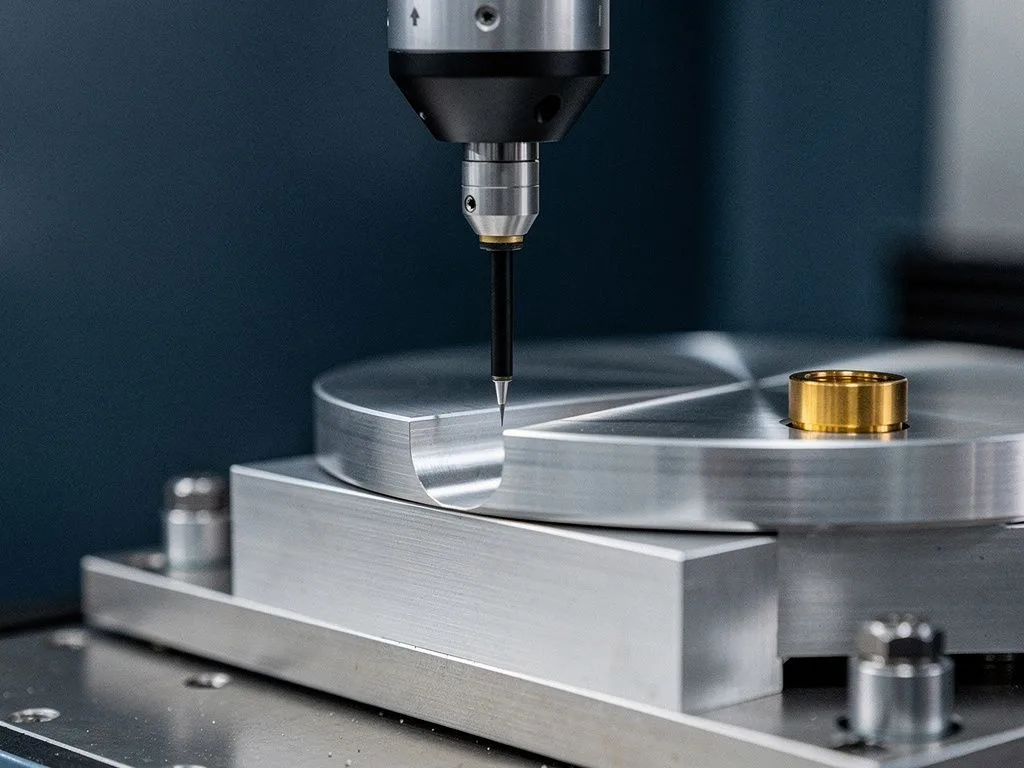
Common dimensional compensation strategies can be divided into three types: the machining allowance method, the pre-deformation method, and the sequential machining method. The machining allowance method involves machining the part close to final dimensions before heat treatment but leaving an allowance of 0.1 to 0.3 mm per side, then performing finish machining to final dimensions after heat treatment. This is the most common and lowest-risk approach. The pre-deformation method involves deliberately offsetting dimensions in the opposite direction of the expected deformation during machining, based on the deformation direction of the heat treatment. It is suitable for batch parts with stable deformation patterns. The sequential machining method splits machining into four stages: rough machining, heat treatment, semi-finishing, and finishing, with dimensional inspection after each stage and feedback of the compensation amount to the next stage. Buyers should discuss with the CNC shop which strategy or combination to adopt, based on the part's precision requirements, batch size, and material characteristics.
What heat treatment-related information should buyers provide when requesting a quote?
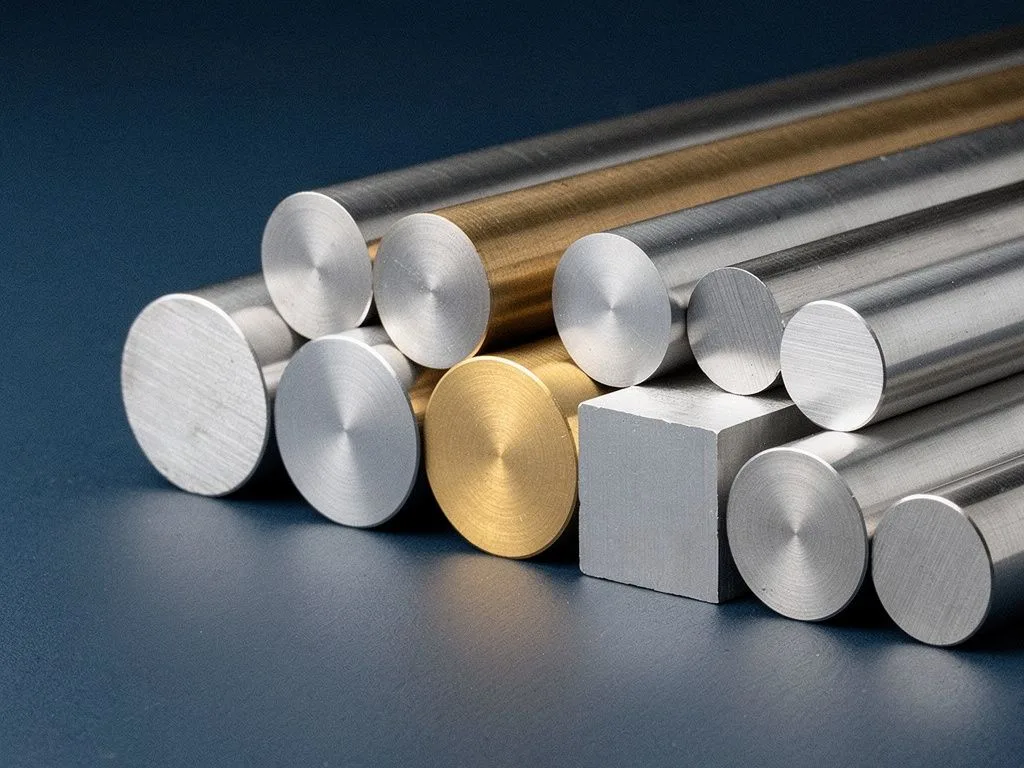
Buyers should provide complete heat treatment-related information during the quotation stage; otherwise, the CNC machining supplier can only estimate based on general experience, which may lead to dimensional non-conformities during mass production. The information to provide includes: the type of heat treatment process (carburizing, nitriding, quenching, tempering, solution treatment and aging, etc.), the target hardness range or case depth, whether there are subsequent machining operations after heat treatment, the critical dimensions and tolerance requirements of the part, and any limitations on fixturing and datum surfaces. For thin parts, asymmetric parts, or parts with a high length-to-diameter ratio, buyers should proactively remind the CNC machining supplier of the deformation risk and ask whether the supplier recommends reserving a straightening allowance before heat treatment or using a split-process machining approach. The more complete the information, the clearer the compensation strategy in the quotation, and the lower the subsequent rework and scrap costs.