
What are the machining and cleaning requirements for vacuum chamber components?
The machining and cleaning requirements for vacuum chamber components center on surface roughness, joint airtightness, and cleanliness control. Before requesting a quote, buyers of semiconductor equipment should first confirm the material, internal cavity geometry, Ra specifications, and cleaning standards, and require suppliers to provide inspection records both during processing and before shipment. Vacuum chambers are functional components, and machining errors or residual contamination directly affect whether the chamber can achieve the required vacuum level. Therefore, the process discipline required of CNC machining shops is far stricter than for general structural parts.
What surface roughness Ra should be required for vacuum chambers?
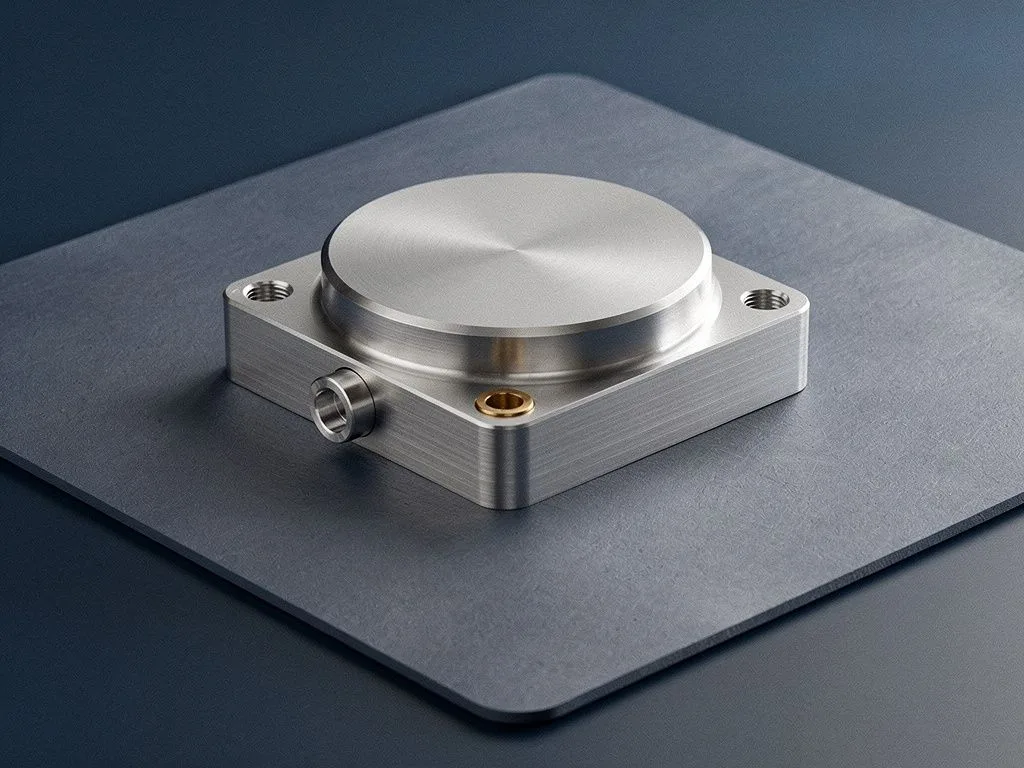
What surface roughness Ra should be required for vacuum chambers? This depends on the chamber's operating vacuum level and application. Generally, the inner walls of chambers used in semiconductor processes often require Ra below 0.8 μm, and high-end applications may require Ra 0.4 μm or less. The lower the roughness, the smaller the gas adsorption area, the shorter the outgassing time, and the faster the chamber reaches its operating vacuum. When requesting quotes, buyers should clearly specify whether the inner wall and outer wall require different roughness specifications, as this directly affects machining strategy and cost. Yuan Shun Li uses CNC equipment from BROTHER and TAKISAWA, along with Star Swiss-type lathes, to adjust cutting parameters for different geometric features, but the specific achievable Ra values must be confirmed based on actual specifications and materials. If buyers do not specify Ra, the machining shop can only proceed based on experience, which often leads to disputes during final acceptance.
What are common quality issues in vacuum chamber machining?
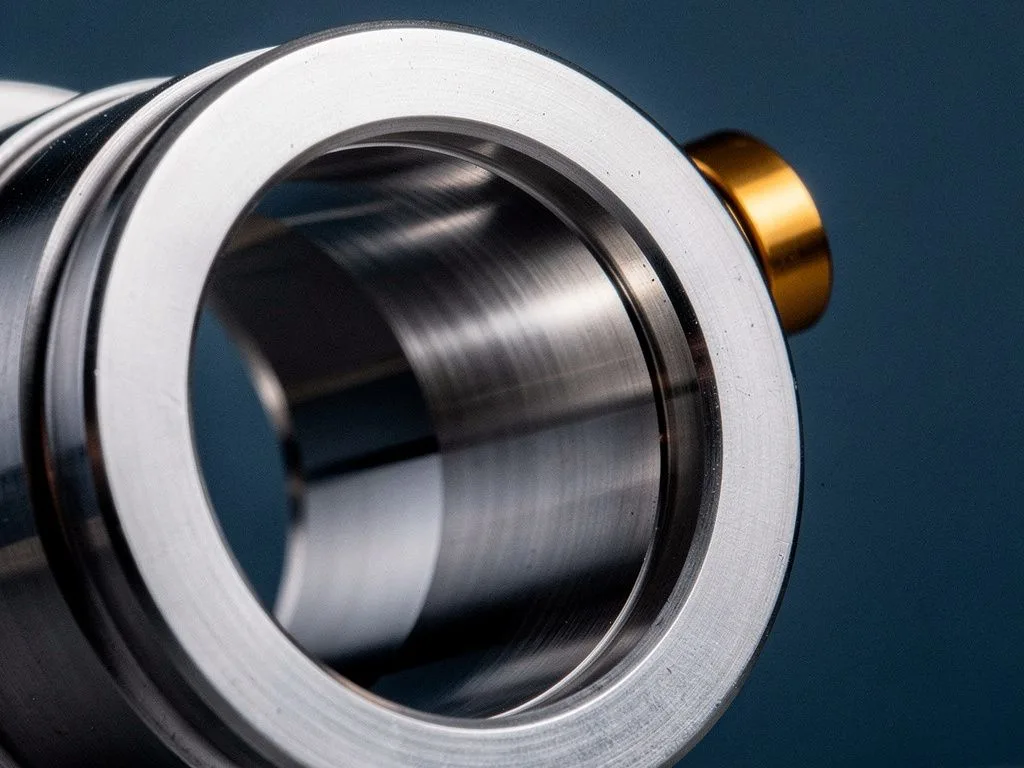
The three most common categories of issues are: leakage, deformation caused by machining stress, and insufficient vacuum level due to residual contamination. Leakage usually stems from insufficient flatness of sealing surfaces or misaligned hole positions; deformation is related to material internal stress, fixture design, and cutting parameters; residual contamination results from inadequate cleaning or improper packaging. When evaluating suppliers, buyers should request first article inspection (FAI) reports, in-process dimensional measurement records, and at least one sample of helium mass spectrometer leak test or vacuum test data. Yuan Shun Li operates an ISO 9001:2015 quality management system, but specific test items and acceptance criteria must follow the mutually agreed specification. If buyers rely only on the machine shop's outgoing inspection, problems often surface only after assembly at their own facility, at which point responsibility and remediation costs increase significantly.